
Nature on Sark
What lives here, what grows here, and the rock it all sits on.
The island's wildlife is recorded, not just admired, and these articles present the records: the birds, the butterflies and moths, the bats, the wildflowers and the full plant list, the life in the sea caves, and the rock it all stands on. The open Sark Nature Records sit behind every one.
- 01
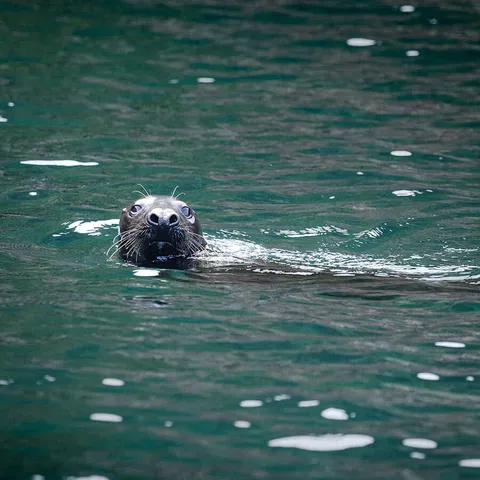
Sark wildlife, what you actually see
Sark's wildlife is not gathered into one reserve. It appears along the cliffs, in the gorse, offshore and sometimes beside the ferry.
- 02
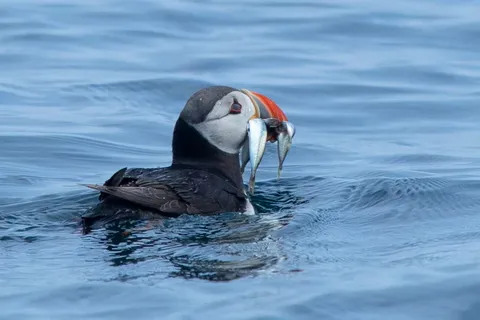
Sark's birds, counted
Guillemots counted by drone, a kittiwake return after almost 80 years, barn owls and two chough. Sark's birds through the 2024 and 2025 records.
- 03
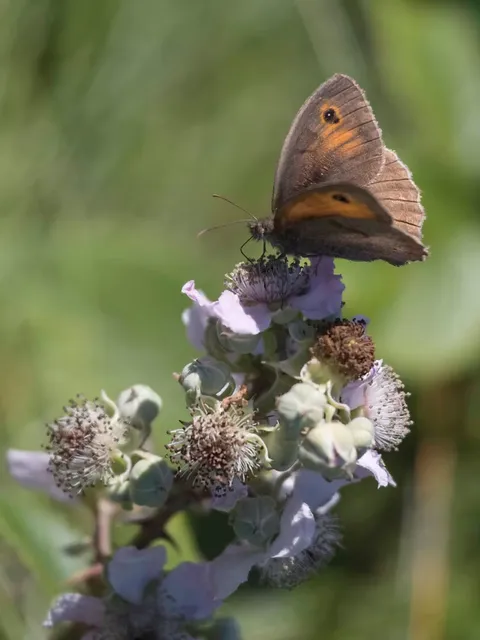
The butterflies of Sark
In May 2025 the Glanville fritillary returned to Sark after nearly thirty years. The island's butterflies, its recorders, and what a wet year changes.
- 04
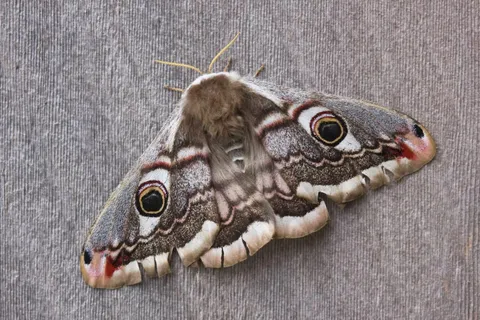
Sark's moths and the light trap
Most of Sark's 2024 moth records come from one light trap. A wet year, an October explosion, and a ledger kept exactly as written, on the Dark Sky Island.
- 05
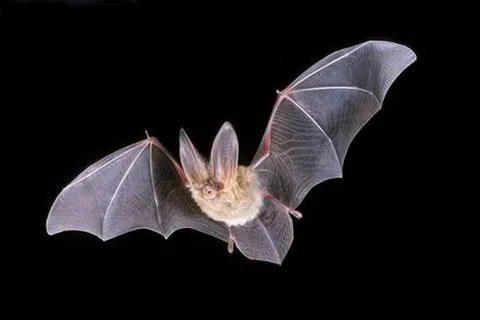
Four years of listening to Sark's nights
Four seasons of acoustic detectors on Sark found eight bat species, one unsolved identification and two animal records no other island in the survey has.
- 06
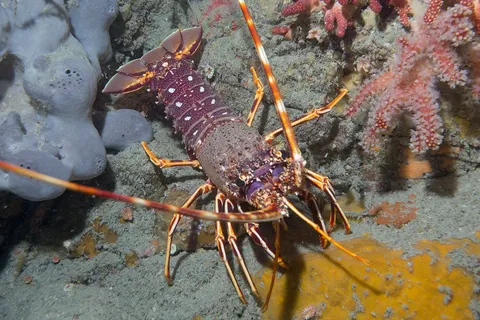
The crawfish of Sark, fished out and coming back
Crawfish were fished to commercial extinction in the 1960s and 1970s. Sark's waters are now the only place in the British Isles to protect them fully.
- 07
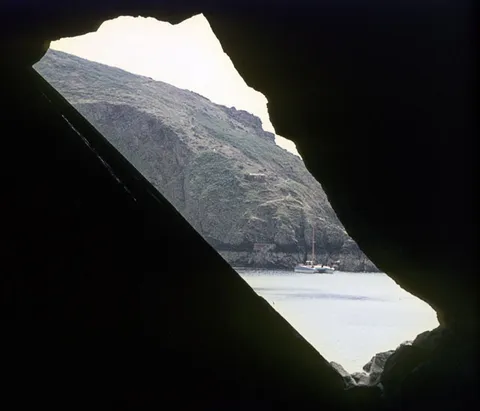
The Gouliot Caves, surveyed since 1885
The Gouliot Caves on Sark hold a marine species record from five surveys, 1885 to 2012, suggesting the Jewel cave community has not significantly changed.
- 08
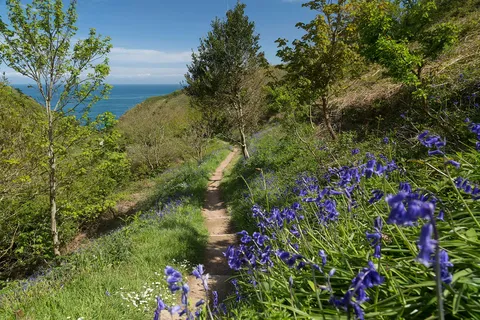
Wildflowers on Sark
Sark's wildflowers do more than colour the paths. They reveal how the island changes through the year, from winter crocus to bluebells and autumn sloes.
- 09
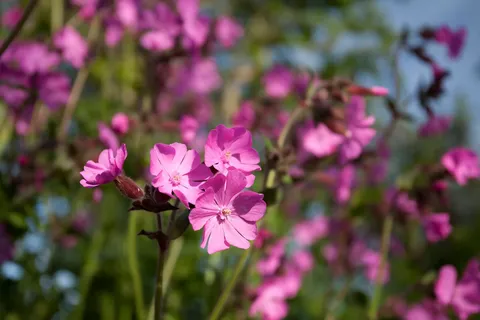
The plant list of Sark
Sark measures three and a half miles by one and a half, and its plant list records 712 plants. The spreadsheet, the herbarium and the recorders.
- 10
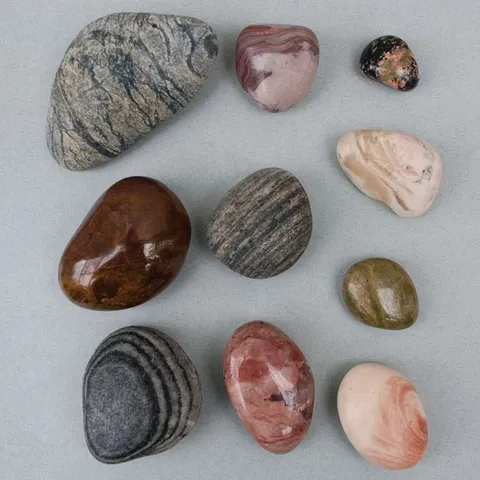
The rocks of Sark, two billion years underfoot
Most of Sark stands on gneiss about two billion years old. The story of the island's rocks, from Little Sark's dark diorite to the youngest dykes.
Getting to Sark
The things guests always ask before they come, in one place: the ferry, the luggage system, what to pack, and what the first evening feels like.
Nadia, founder and host
No spam, just island news now and then. Unsubscribe anytime.
