
A story map of Sark
Twenty-eight of the Journal's stories happened at real places, and this map marks where: a monument above Havre Gosselin, a windmill built in 1571, sea caves surveyed since 1885, a wartime raid that climbed up from Point Château in the dark. Each colour is a shelf of the Sark Journal, and every pin opens the full story.
Explore the map
- Getting to Sark
- Things to do
- Nature
- The hidden coast
- History
- The Occupation
- Witchcraft and mystery
- Ghosts and the dark
- Sark Island
- Pirates and smugglers
The Boutique Caves 2 stories
-
Was Sark really a smugglers' island? Pirates and smugglers
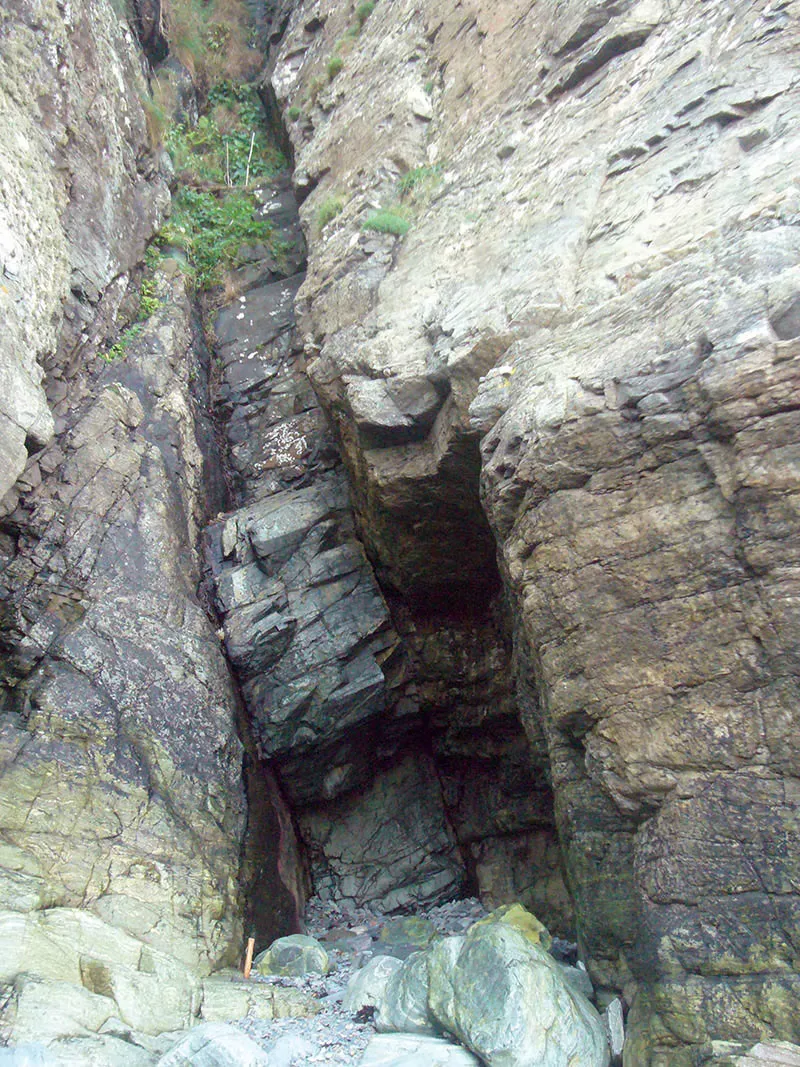
Sark's caves are linked with smuggling, but the evidence is more complicated. Follow the contraband stories, privateering money and the gaps in the record.
The distinction matters because the island's coastline makes a smuggling story feel true before the evidence has been checked.
Read the full story -
The caves of Sark Things to do
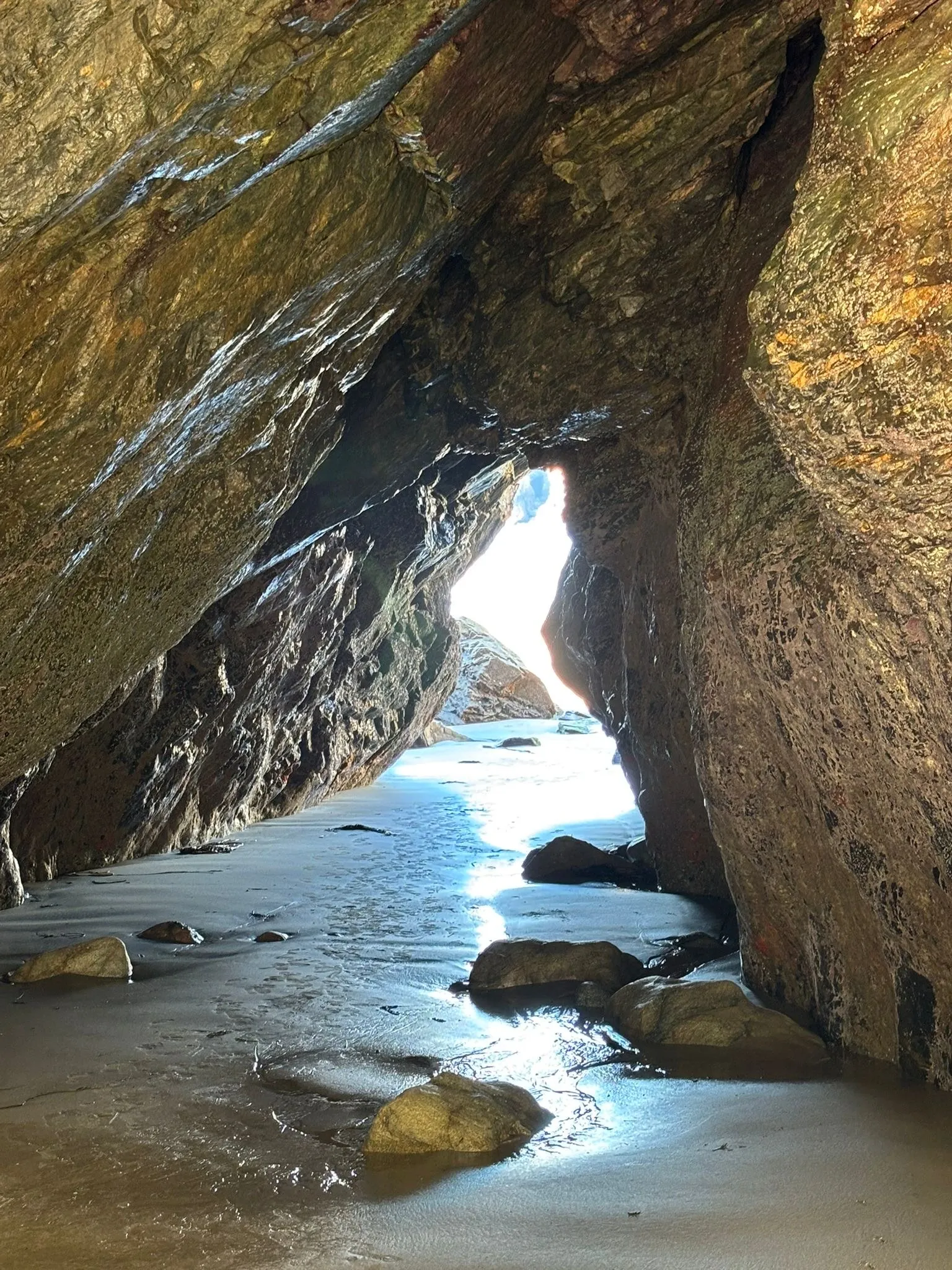
Sark's coastline changes completely with the tide, nowhere more than in its caves. The Gouliot Caves, the Boutiques and how to see them safely.
They walk the lanes, look down from the cliffs and see bays folding into the coastline.
Read the full story
Bec du Nez, beyond L'Eperquerie 1 story
-
Sark Henge and the Buddhist Rock Things to do
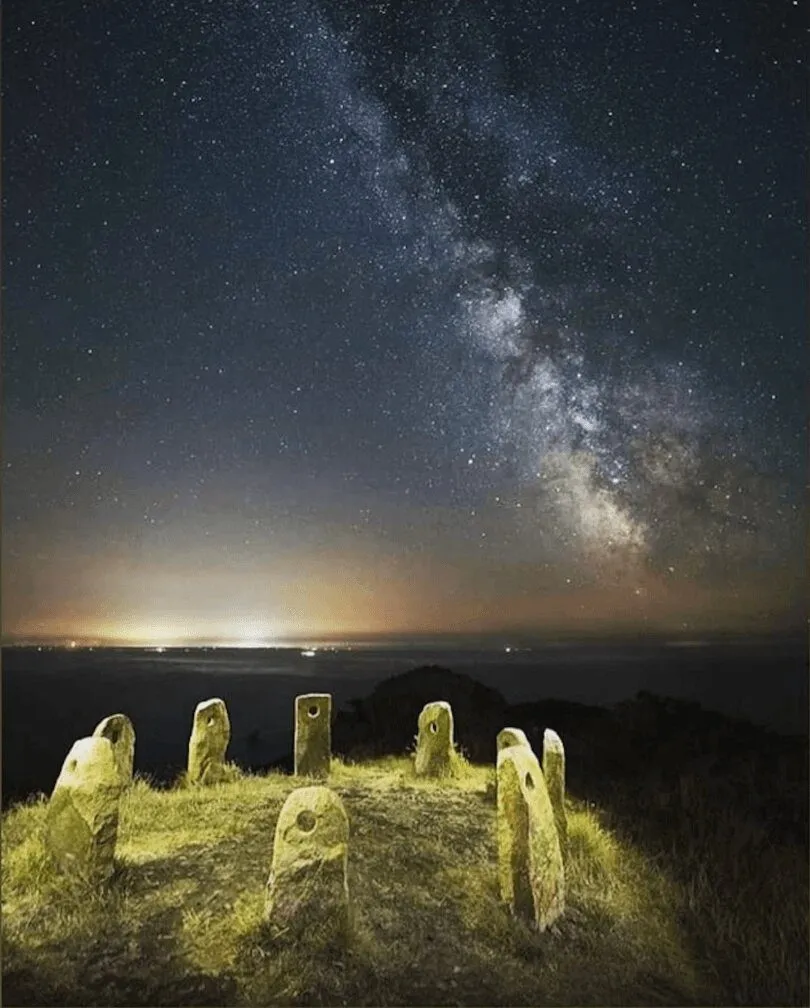
Two modern additions to Sark's landscape show how the island continues to place new meaning into old ground.
Sark Henge and the Buddhist Rock are modern additions to the landscape. Neither is ancient.
Read the full story
La Seigneurie 3 stories
-
Who owns Sark? Sark Island
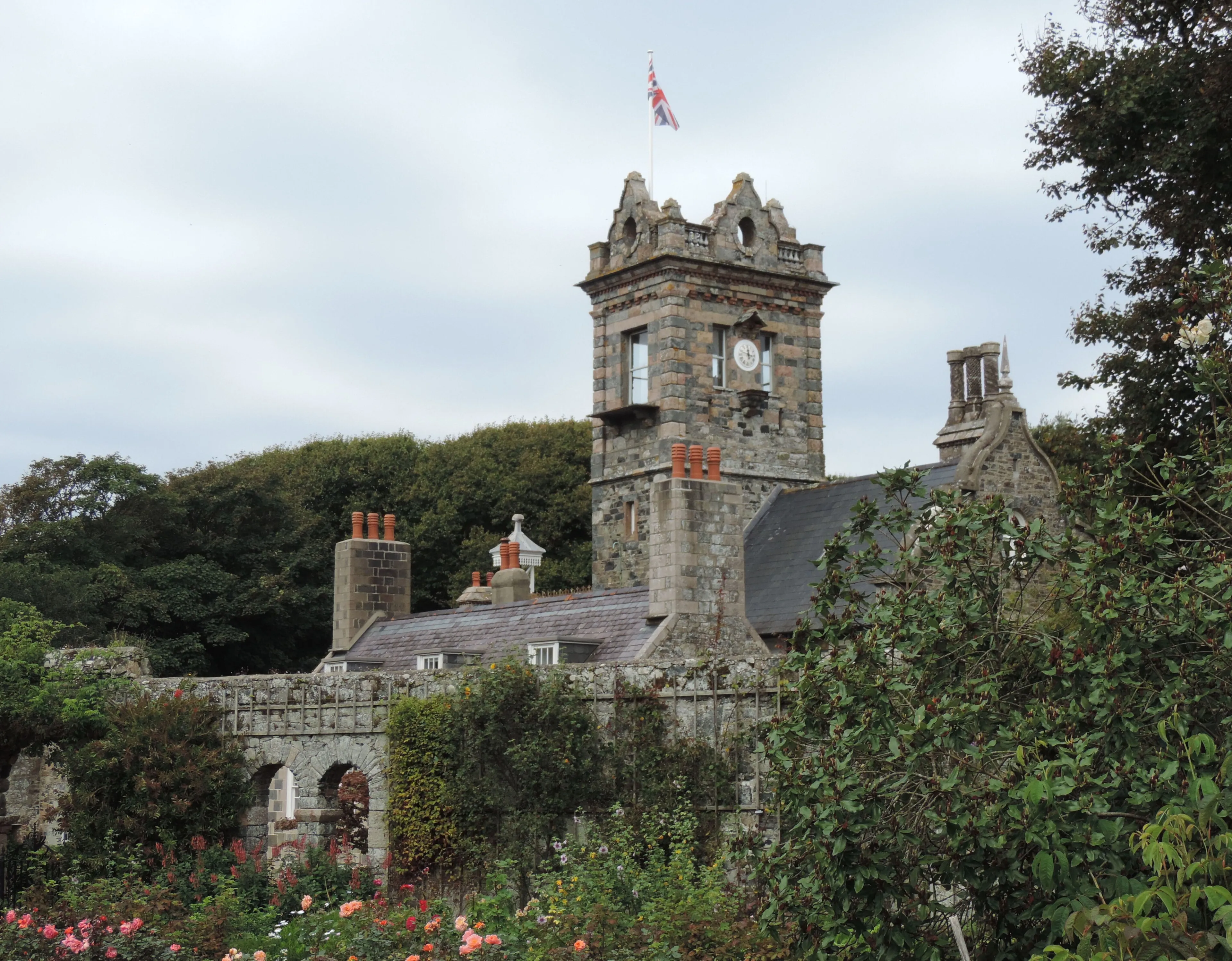
No single person owns Sark. It is a Crown Dependency with a seigneurial fief, privately owned homes and land, and an elected parliament, Chief Pleas.
The island is a Crown Dependency within the Bailiwick of Guernsey. The Seigneur holds Sark's fief under a grant that dates to 1565. Individual residents own their own homes and land. Chief Pleas, an elected parliament, makes the island's laws. Those are four different kinds of authority. The centuries old titles attached to them, fief, Seigneur, tenement, Chief Pleas, are why the question sounds harder than it is.
Read the full story -
Dame Sibyl Hathaway and Sark's German occupation The Occupation
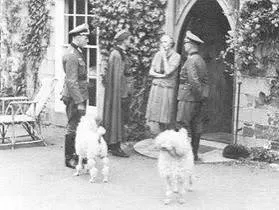
Dame Sibyl Hathaway advised Sark residents to stay in 1940, received German officers at La Seigneurie, and remained on the island.
On 23 June 1940, Dame Sibyl Hathaway called Sark's residents to a meeting at the Island Hall. Long before the Occupation, Sibyl Collings had climbed and swum around Sark's coast.
Read the full story -
The woman at the foot of the bed Ghosts and the dark
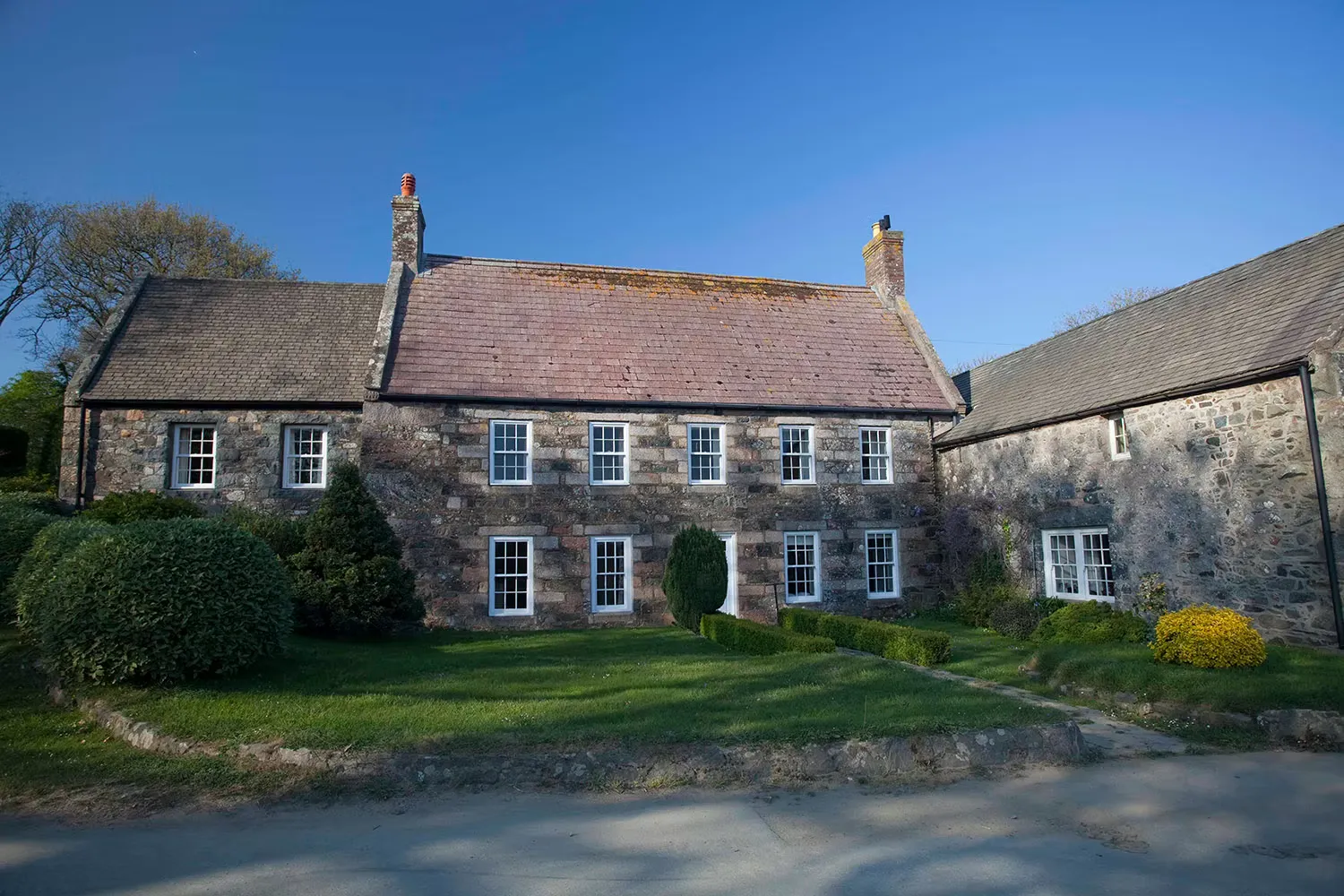
An old Sark story tells of a woman who appeared in locked bedrooms at La Seigneurie and was linked to the Seigneur's drowning in 1839.
When the story was written down in the nineteenth century, the collector allowed that she might simply have suffered an unusually vivid nightmare.
Read the full story
Maseline Harbour 4 stories
-
The crossing Getting to Sark
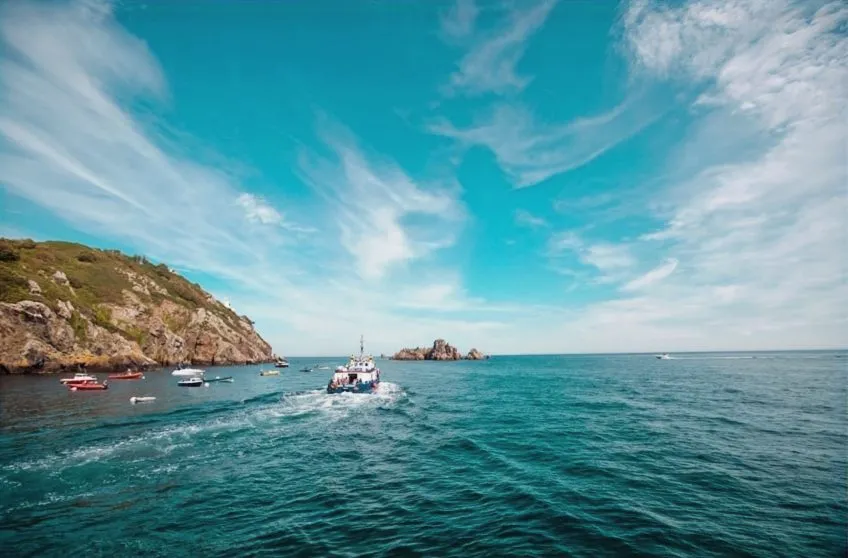
The passenger ferry from Guernsey takes about 45 minutes. Your luggage travels separately, and the climb up from the harbour is part of the arrival.
Most guides to Sark repeat three facts. There are no cars. The cliffs are dramatic. The night sky is dark.
Read the full story -
The Sark toast rack Getting to Sark
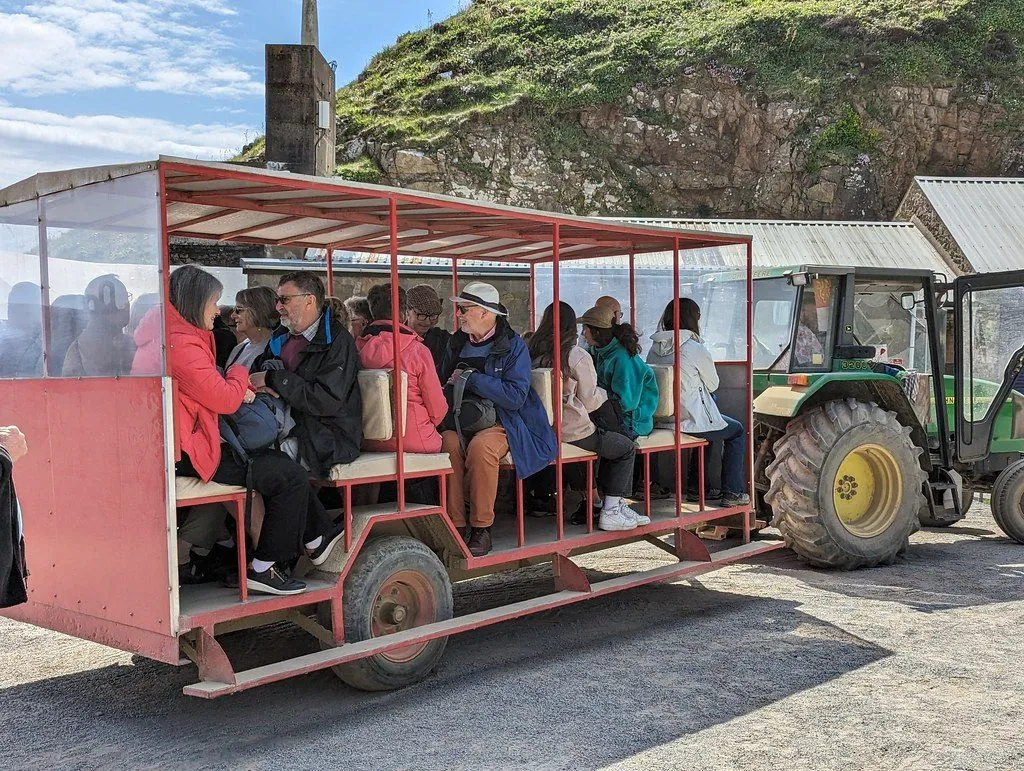
The Sark toast rack carries passengers from Maseline Harbour up the steep hill from the ferry. Here is how it fits into arriving on a car-free island.
Once you arrive on Sark there are no cars or buses waiting to carry you up the steep hill from the harbour.
Read the full story -
Is there an airport on Sark? Getting to Sark
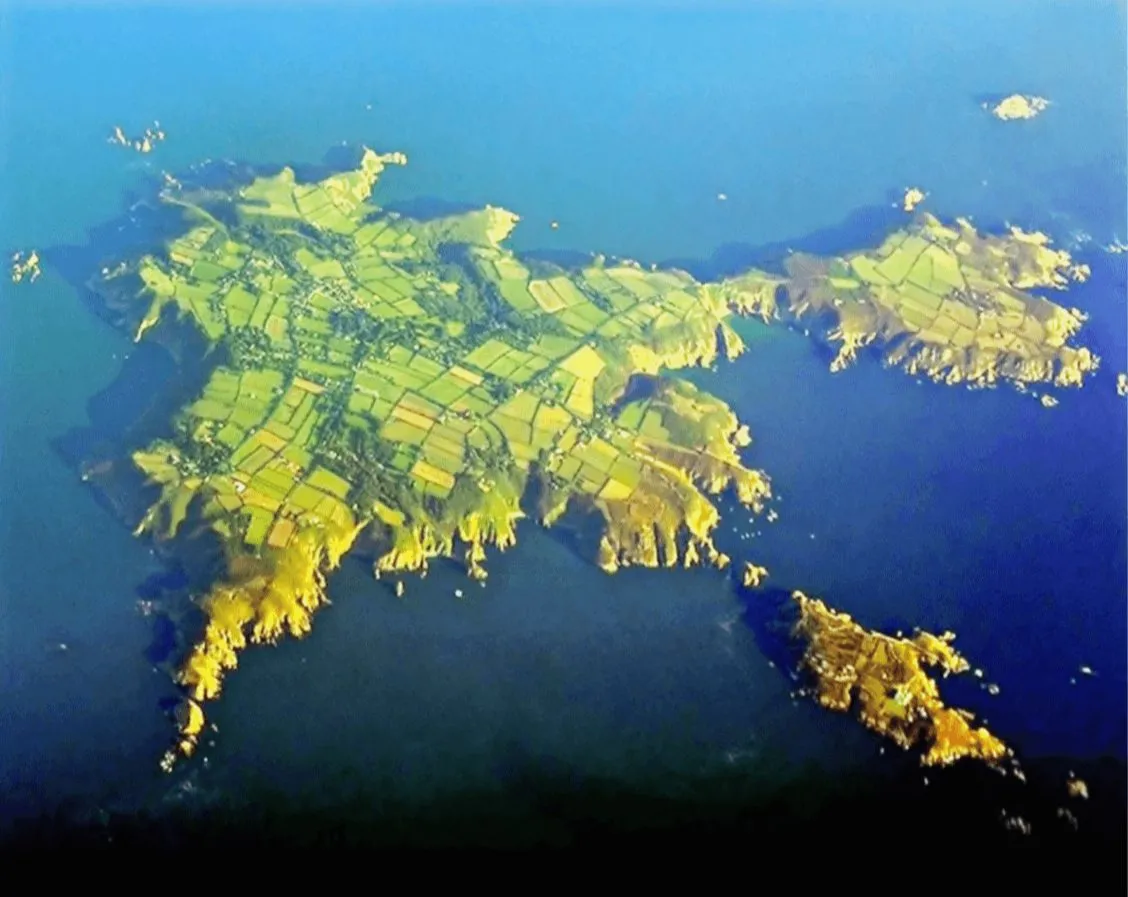
There is no airport or landing strip on Sark, and there never has been. Fly to Guernsey, then take the passenger ferry for the last 45 minutes.
For most visitors, the answer is Guernsey. If you are starting in the capital, the London to Sark route is flight to Guernsey, then ferry.
Read the full story -
How to Get to Sark from London Getting to Sark
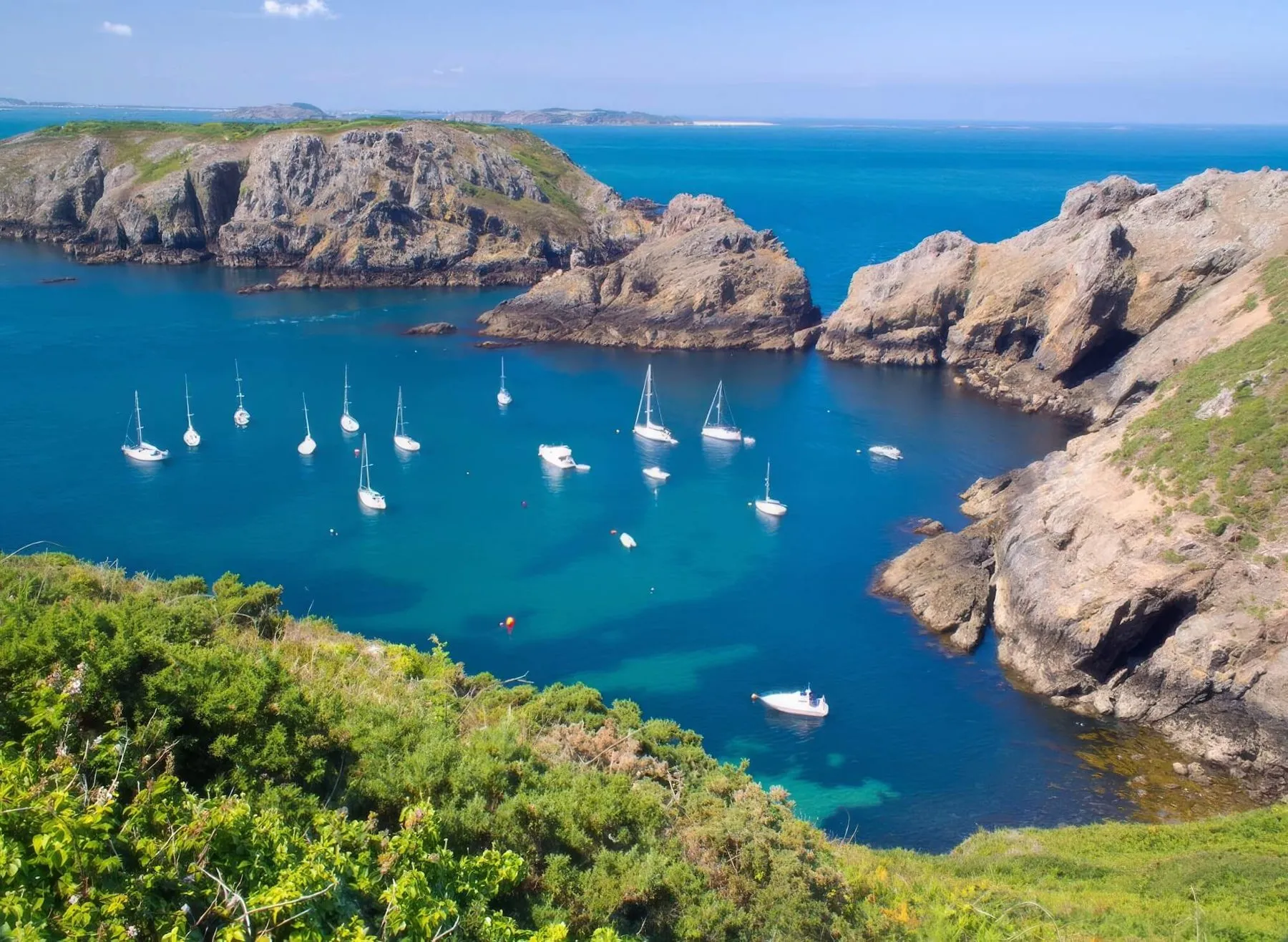
How to get from London to Sark: fly to Guernsey, transfer to St Peter Port, then take the 45-minute ferry. Same-day travel when connections line up.
Fly from Gatwick or Heathrow to Guernsey, travel across Guernsey to St Peter Port, then take the passenger ferry to Sark.
Read the full story
The Sark Observatory 1 story
-
Sark after dark Things to do
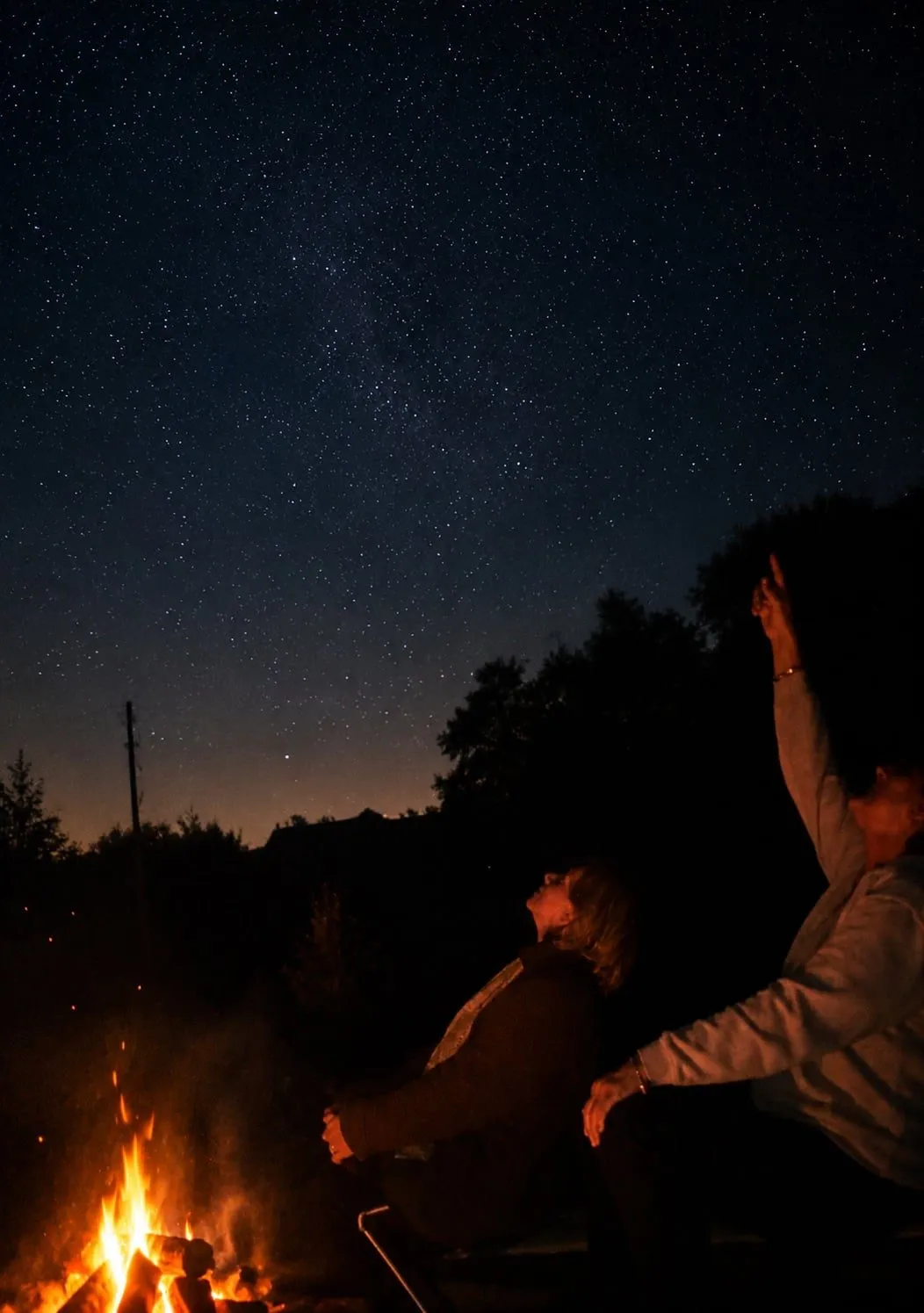
Sark became the world's first Dark Sky Island in 2011. With no street lighting, night changes how the whole island is experienced.
The lanes lose their edges. Familiar distances feel less certain. The sea is heard more clearly than it is seen.
Read the full story
The Gouliot Caves 3 stories
-
The Gouliot Caves, surveyed since 1885 Nature
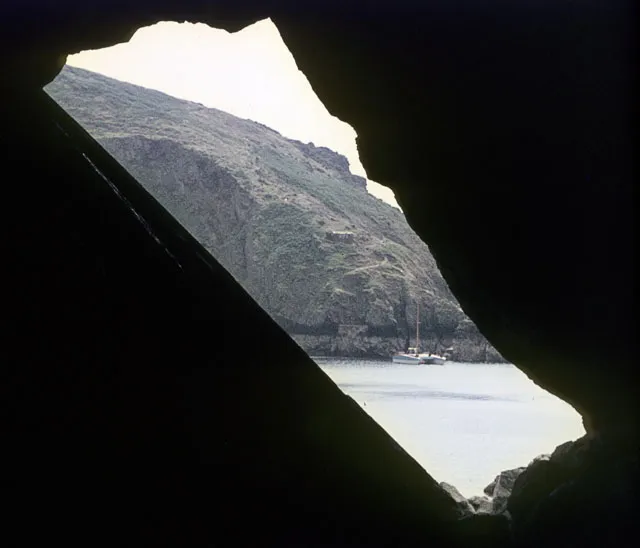
The Gouliot Caves on Sark hold a marine species record from five surveys, 1885 to 2012, suggesting the Jewel cave community has not significantly changed.
On 8 April 2012, on one of the lowest tides of the year, five ecologists walked into a cave system on Sark and recorded 73 marine species. Their list joined a series of records reaching back to 1885, and the comparison suggested something remarkable for any wild habitat: the community in the innermost chamber had not significantly changed in 127 years.
Read the full story -
Three Women in Sark's Gouliot Caves, 1880 The hidden coast
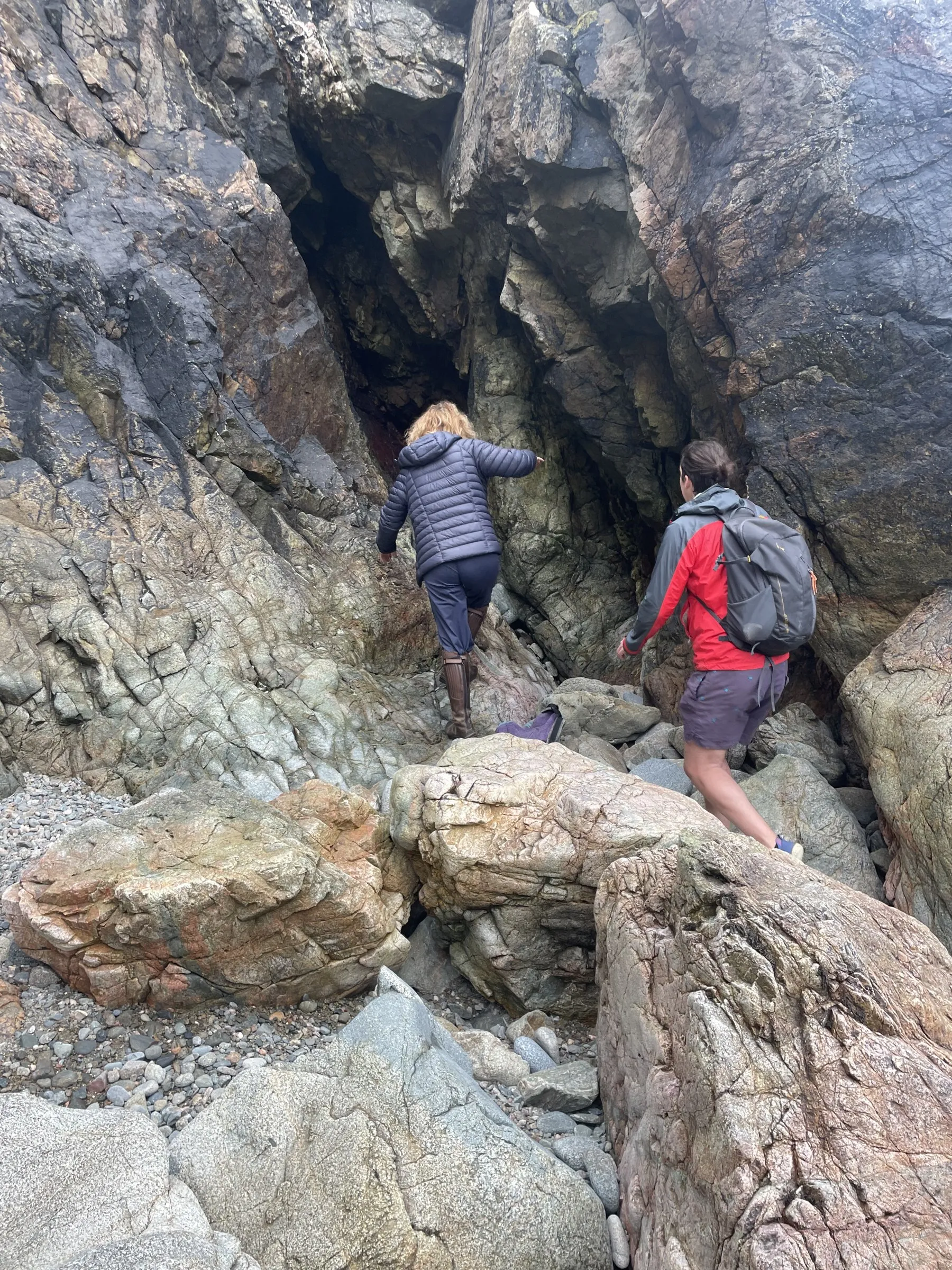
In 1880 three women replied to a clergyman's Guernsey Star letter after they had already made the descent into Sark's Great Gouliot.
The Reverend Henry Constable descended into Sark's Gouliot Caves. In August 1880, he wrote about it to the Guernsey Star.
Read the full story -
The caves of Sark Things to do
Sark's coastline changes completely with the tide, nowhere more than in its caves. The Gouliot Caves, the Boutiques and how to see them safely.
They walk the lanes, look down from the cliffs and see bays folding into the coastline.
Read the full story
Brecqhou 1 story
-
The Sark pirates who stole the beer Pirates and smugglers
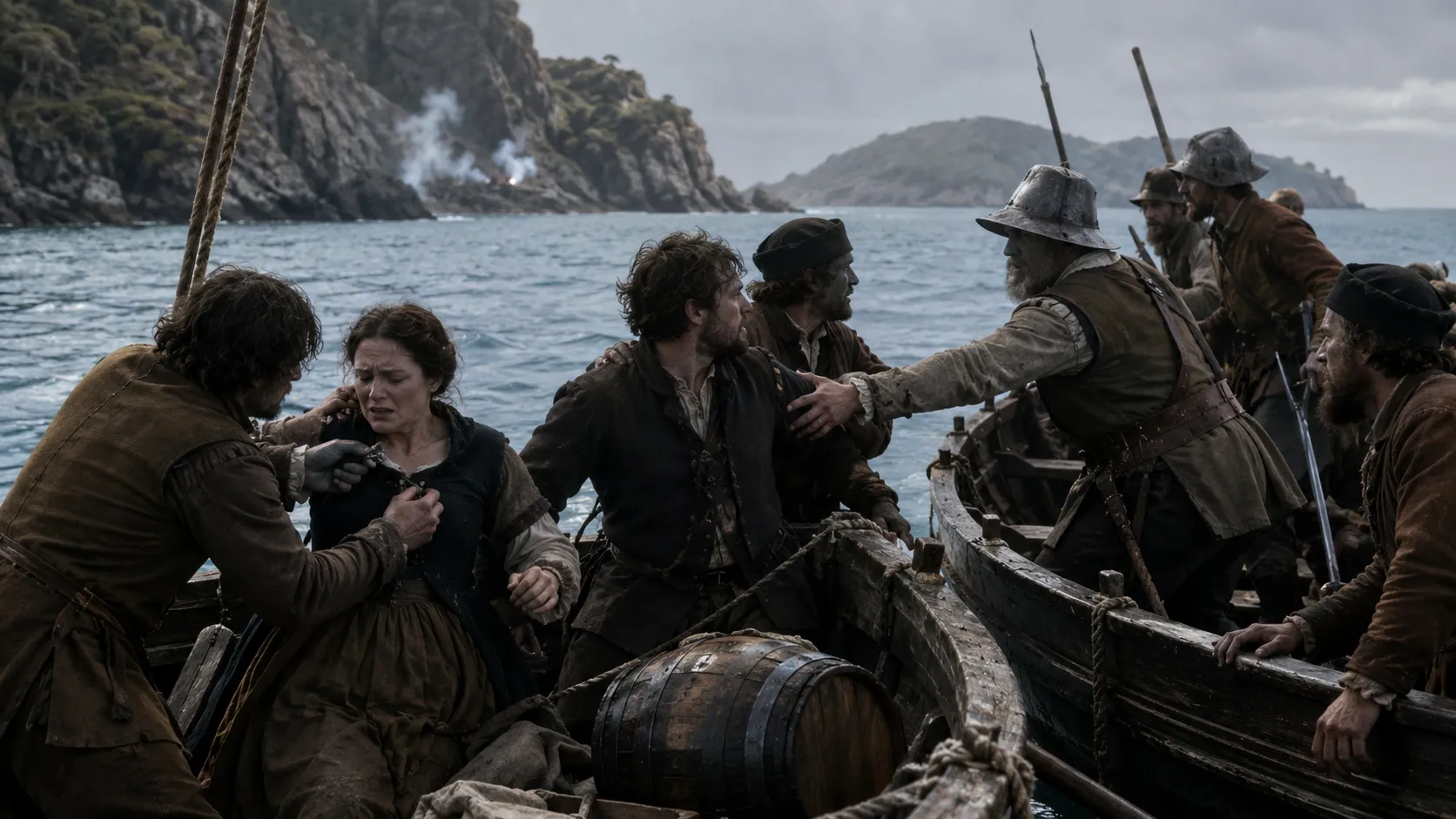
A real Sark pirate account records stolen cattle, kidnapping, betrayal, a silver pin, a barrel of beer and cannon fire. This one is not folklore.
They robbed Janette du Val of a silver pin, took a barrel of beer from the boat and ignored a demand from Sark to release their prisoner.
Read the full story
Outside the Gallery, now the Post Office 1 story
-
Traitor's Tree, Sark: The Island forgave but it did not forget The Occupation
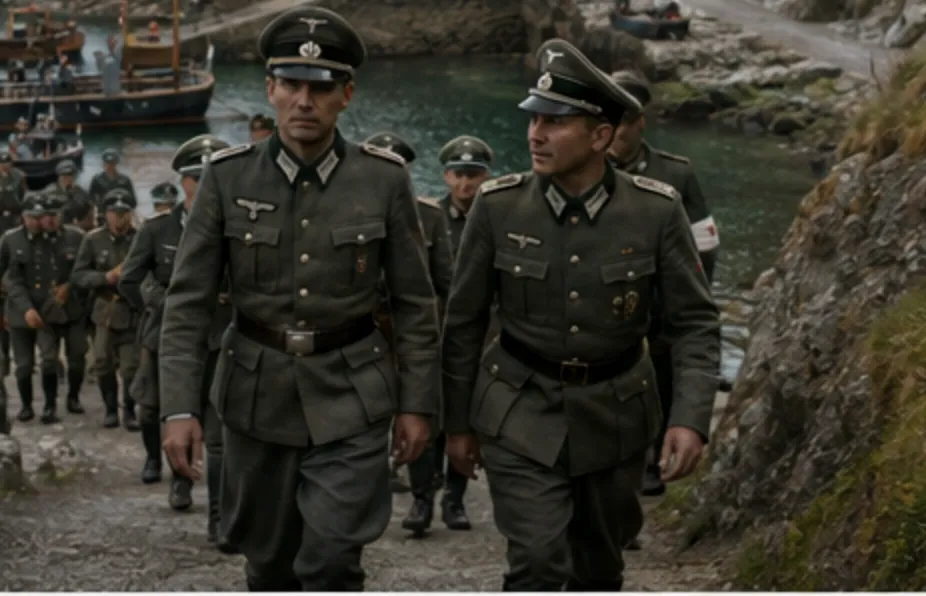
Someone on occupied Sark pinned a list of hidden radio owners to a tree. The Kommandant destroyed it. Islanders named the tree for whoever wrote it.
Someone on Sark pinned a list to a tree outside the Gallery. It named the islanders who had kept a radio after the Germans ordered every set handed in. Being on that list could mean imprisonment, and it could mean death.
Read the full story
The windmill 1 story
-
The Sark windmill, built 1571 History
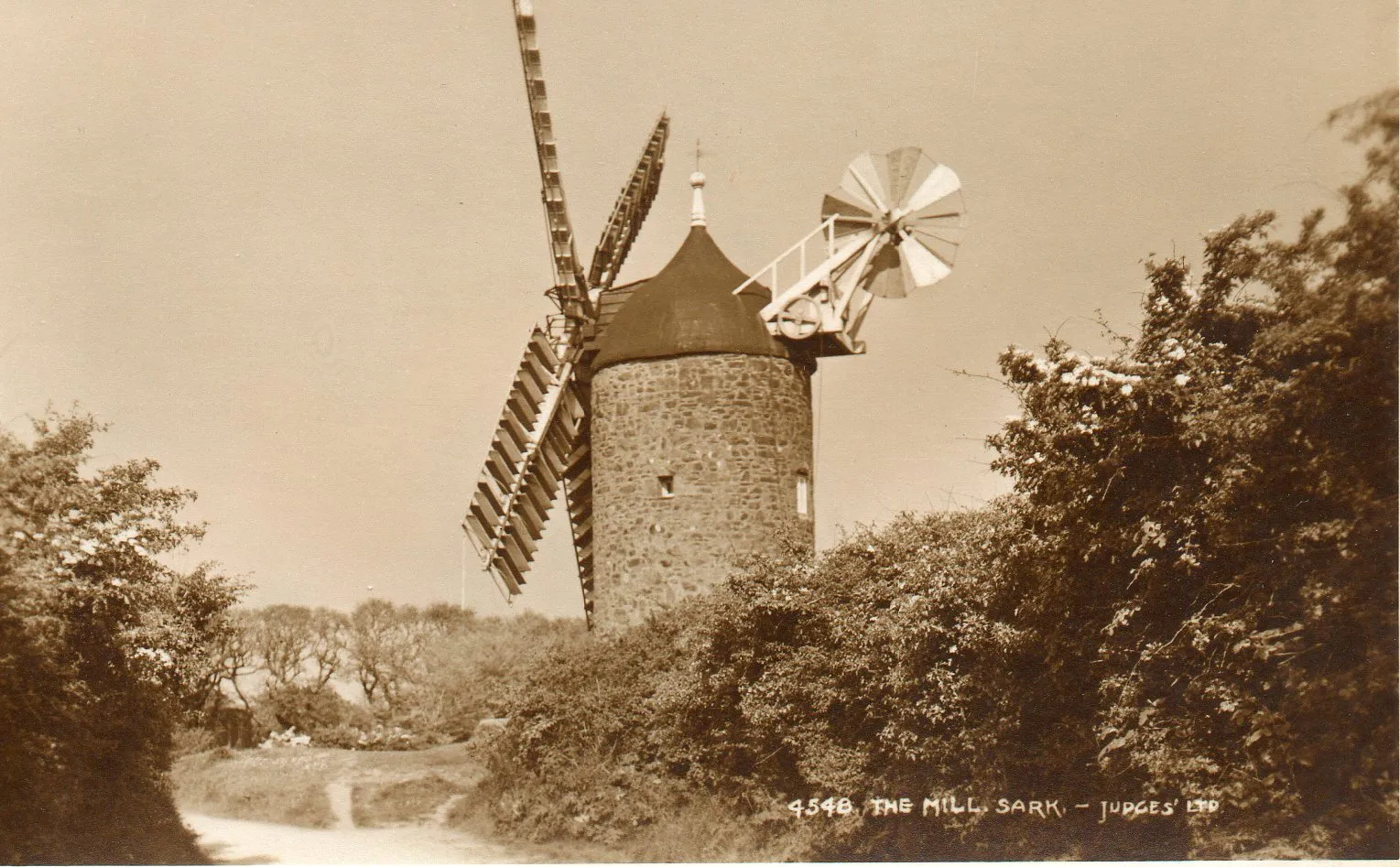
Sark's windmill turned grain into flour, dues and exchange. That gave the miller an unusual place at the centre of island life.
It was built in 1571, six years after Helier de Carteret received the island from Elizabeth I and began settling it with forty families.
Read the full story
Creux Harbour 3 stories
-
Sark islanders sent to Germany The Occupation
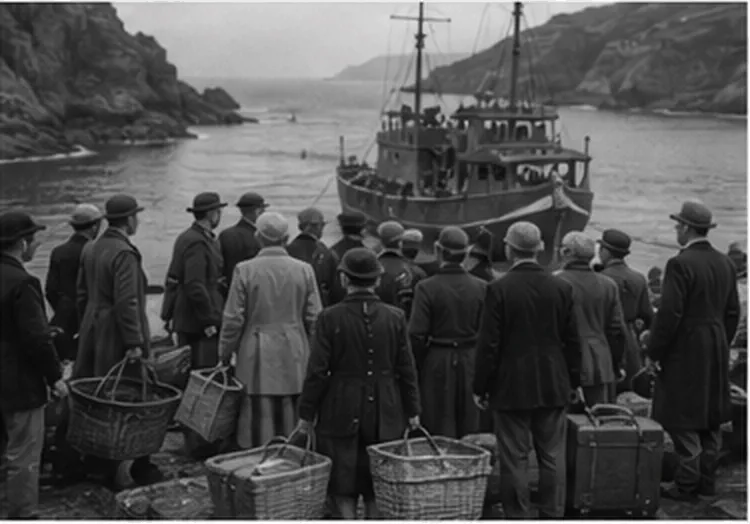
Sark residents were deported during the German occupation and sent through France to civilian internment camps in Germany.
Eleven English-born residents were ordered to leave Sark on 26 September 1942. Nine reported at the harbour.
Read the full story -
Sark's surrender and liberation, 10 May 1945 The Occupation
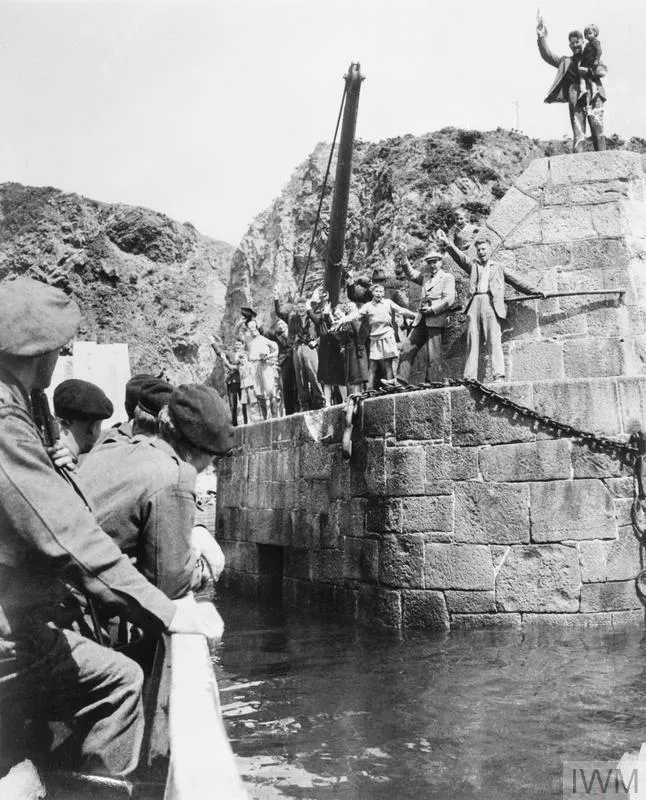
Sark was formally liberated on 10 May 1945. Dame Sibyl interpreted at the surrender and remained in charge until full relief arrived.
Guernsey was liberated on 9 May 1945. Sark's formal German surrender followed on 10 May.
Read the full story -
Sark's Old Devil Witchcraft and mystery
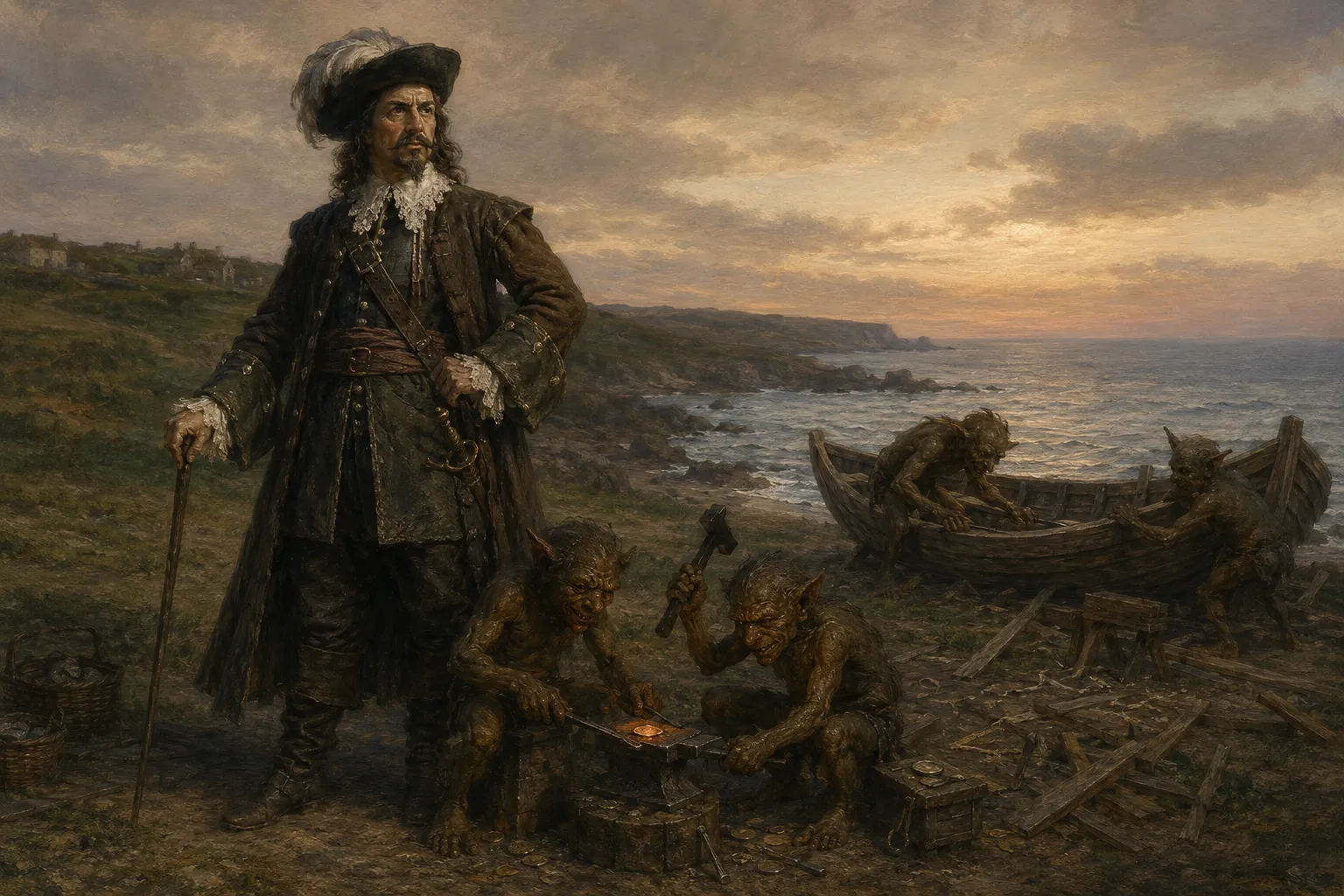
In Sark folklore, Peter de Carteret was known as L'Vi Diable, the Old Devil, and his imps were said to forge money and build boats overnight.
Peter de Carteret was remembered in Sark folklore as L'Vi Diable, the Old Devil.
Read the full story
Havre Gosselin 1 story
-
The Sark witch who became a duck Witchcraft and mystery
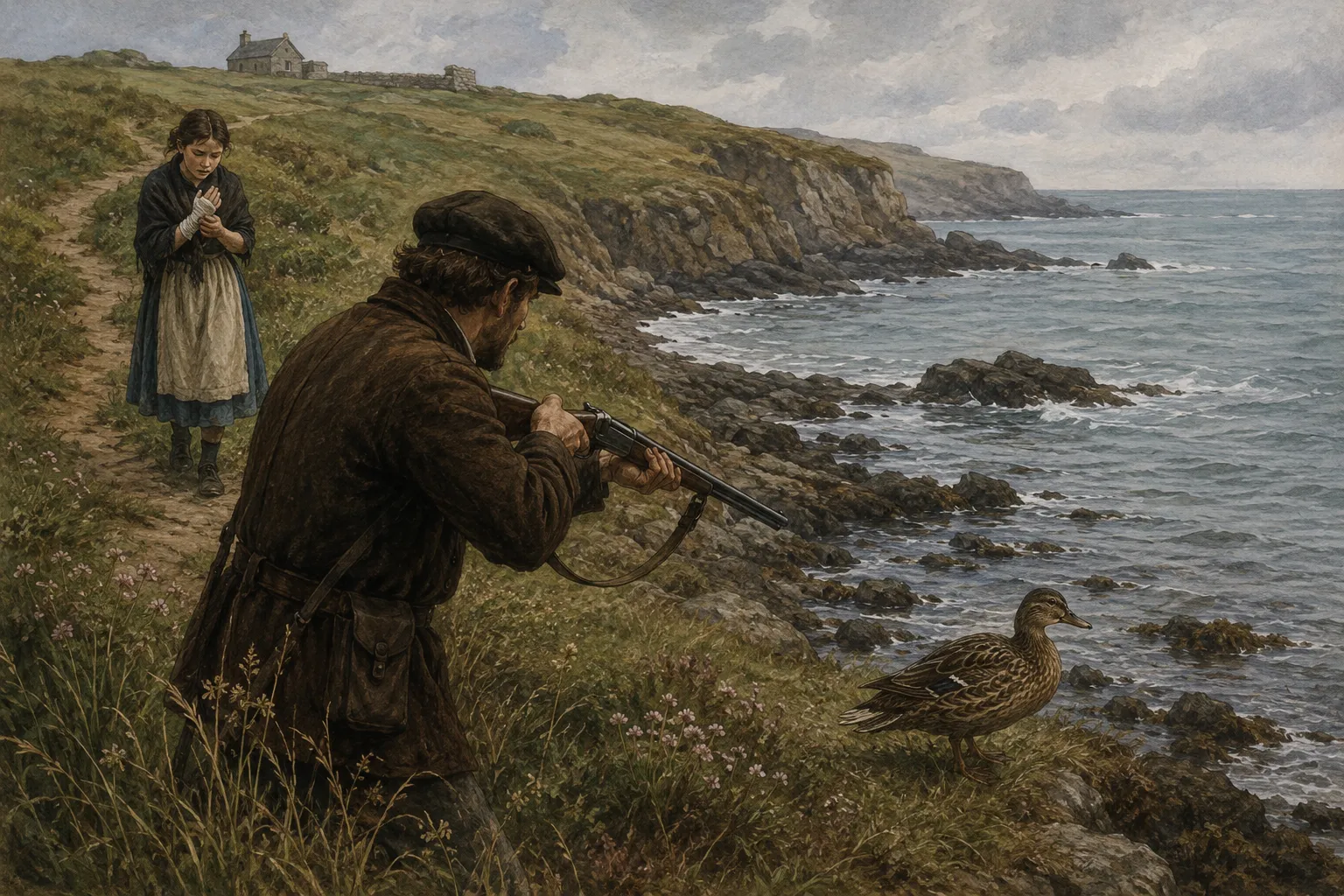
Sark folklore tells of a Guernsey hunter who shot a duck at Havre Gosselin with a silver bullet, then met a girl returning home with a wounded hand.
The story that followed belongs to Sark folklore, not to the island's court record.
Read the full story
The Pilcher monument 1 story
-
The warning above Havre Gosselin Ghosts and the dark
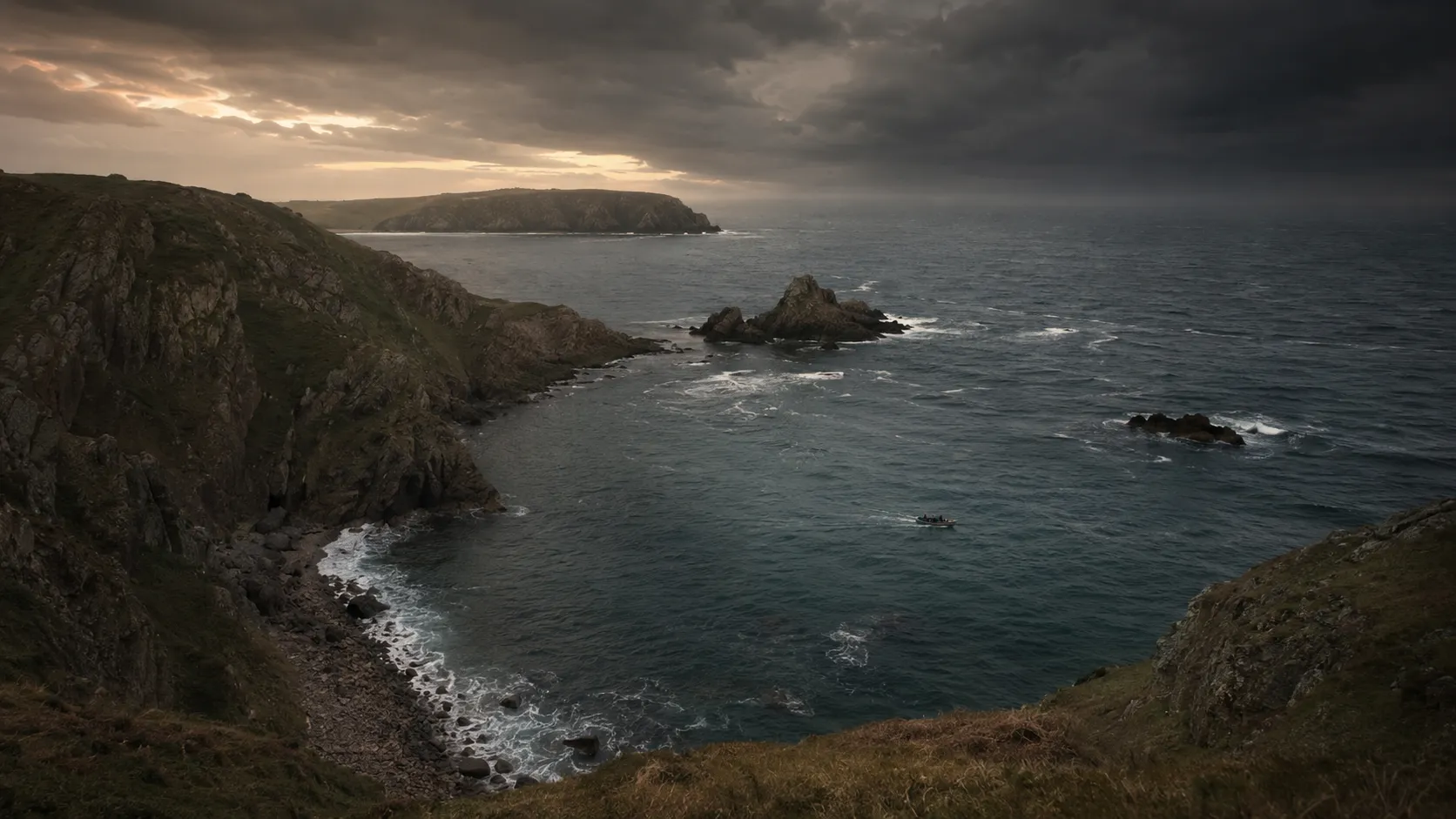
The Pilcher Monument above Havre Gosselin remembers five men lost from Sark in 1868 and the widow's final warning to those who came after.
Above Havre Gosselin, a granite monument now records their names and the weather that followed them out of the bay: a squall, heavy rain and thick darkness.
Read the full story
Derrible Bay 1 story
-
Sark's beaches Things to do
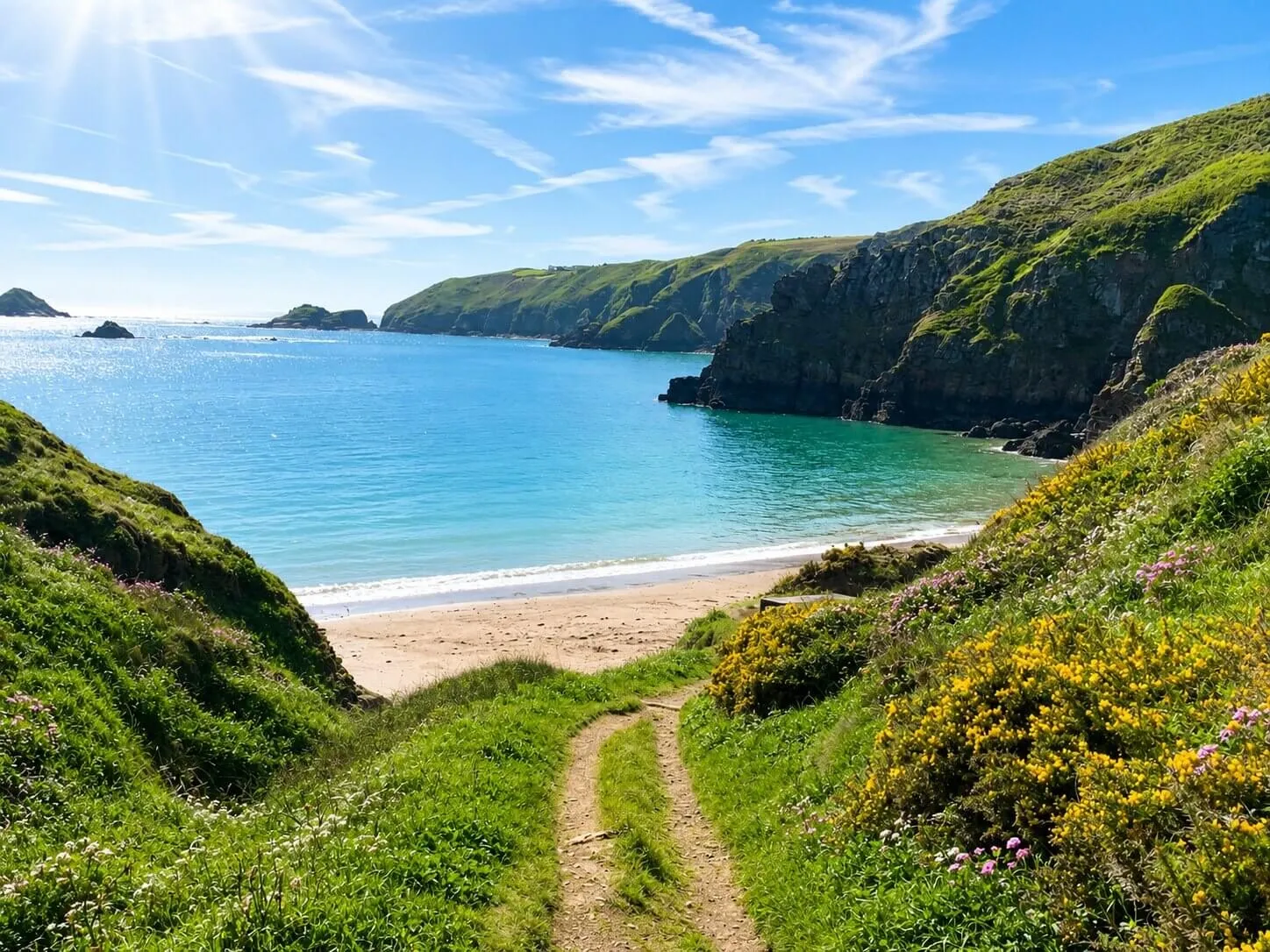
Sark beaches sit below the island's cliffs. Find the bays and coves, how to reach them on foot, and why tides change what you find.
Most of Sark's beaches sit below the island's plateau, reached by paths, steps or a descent through a valley, and where you end up depends on how far down you are willing to go.
Read the full story
Sark Henge, near Point Derrible 1 story
-
Sark Henge and the Buddhist Rock Things to do
Two modern additions to Sark's landscape show how the island continues to place new meaning into old ground.
Sark Henge and the Buddhist Rock are modern additions to the landscape. Neither is ancient.
Read the full story
Dixcart Bay 2 stories
-
The La Trobe brothers and their guide History
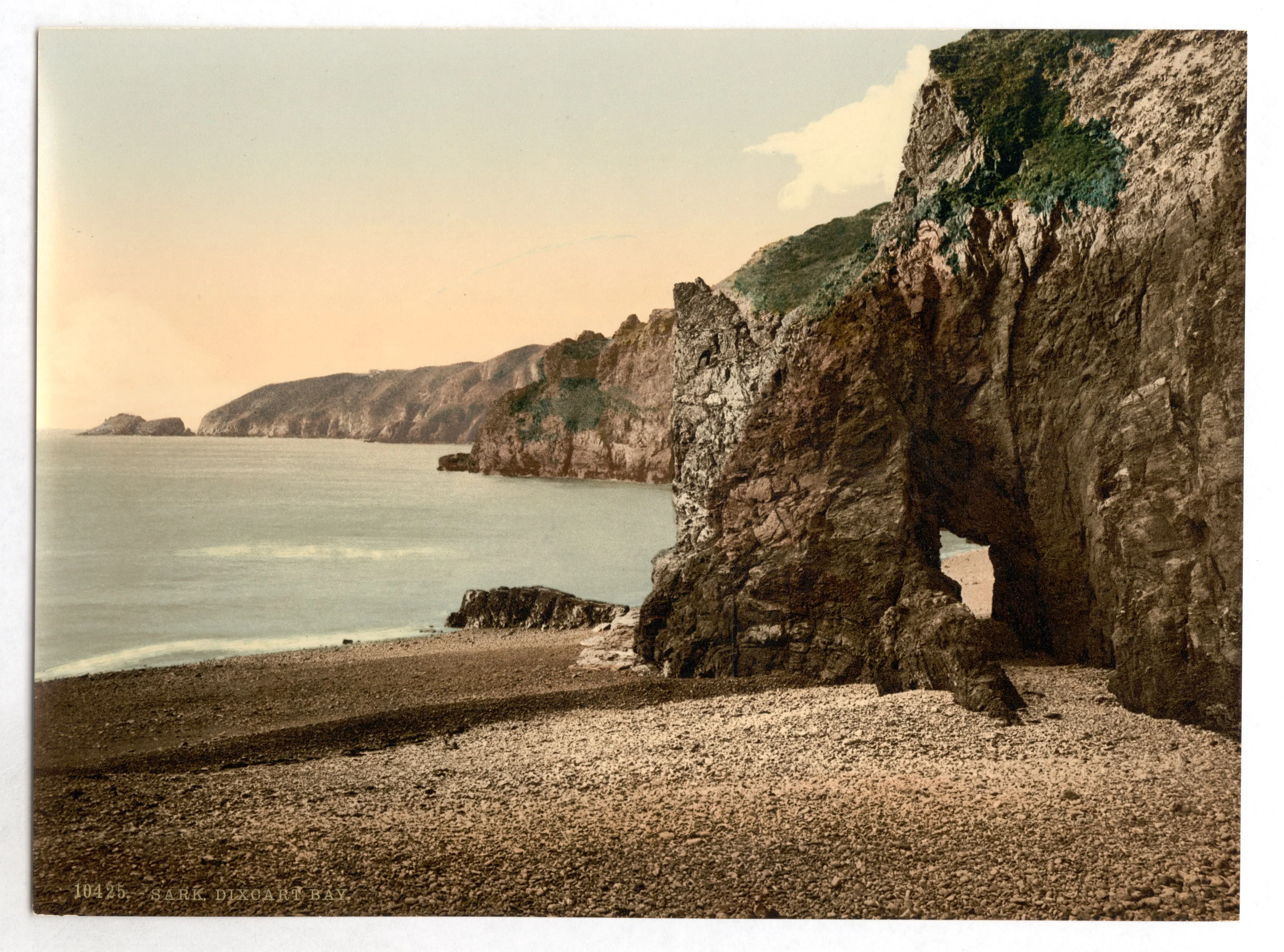
Two young brothers spent three summers exploring Sark's coast. Their 1914 guide taught visitors how to read the island from the waterline inwards.
Between 1911 and 1913, Geoffrey and Leslie La Trobe Foster spent three summer holidays exploring Sark's coast. Geoffrey was fifteen when they began; Leslie was around nineteen.
Read the full story -
Sark's beaches Things to do
Sark beaches sit below the island's cliffs. Find the bays and coves, how to reach them on foot, and why tides change what you find.
Most of Sark's beaches sit below the island's plateau, reached by paths, steps or a descent through a valley, and where you end up depends on how far down you are willing to go.
Read the full story
Point Château 1 story
-
Operation Basalt The Occupation
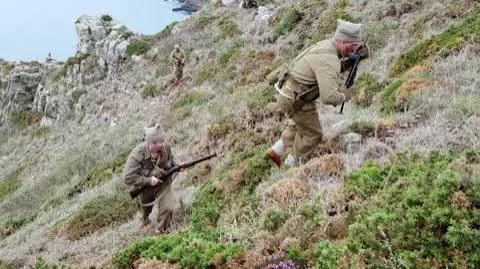
Twelve commandos raided Sark on the night of 3 October 1942. The raid provoked Hitler's Commando Order and years of mines across the island.
Twelve commandos climbed the Hogsback in the moonlight on the night of 3 October 1942, making for the German billet at Dixcart.
Read the full story
La Coupée 2 stories
-
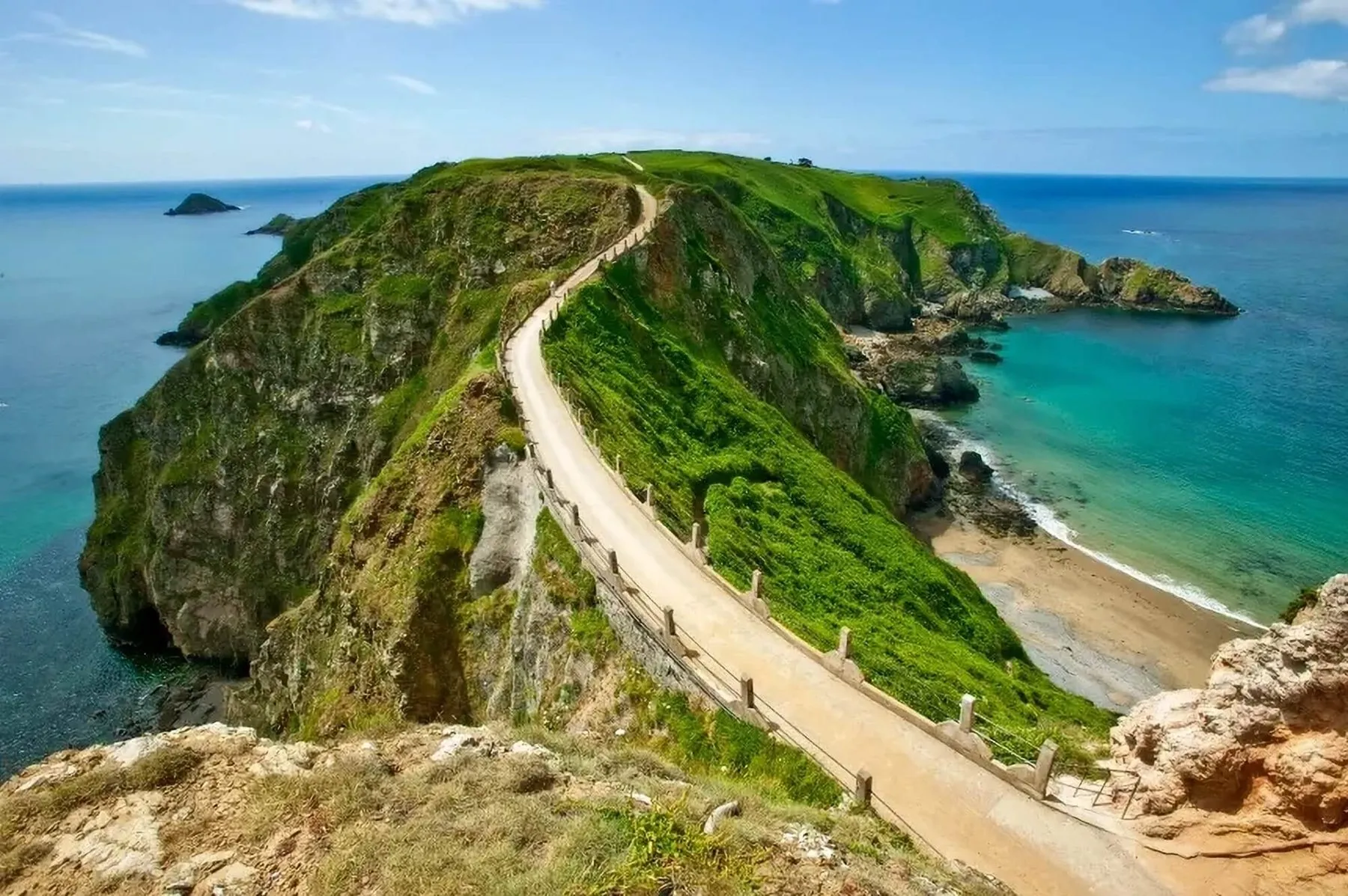
La Coupée Things to do
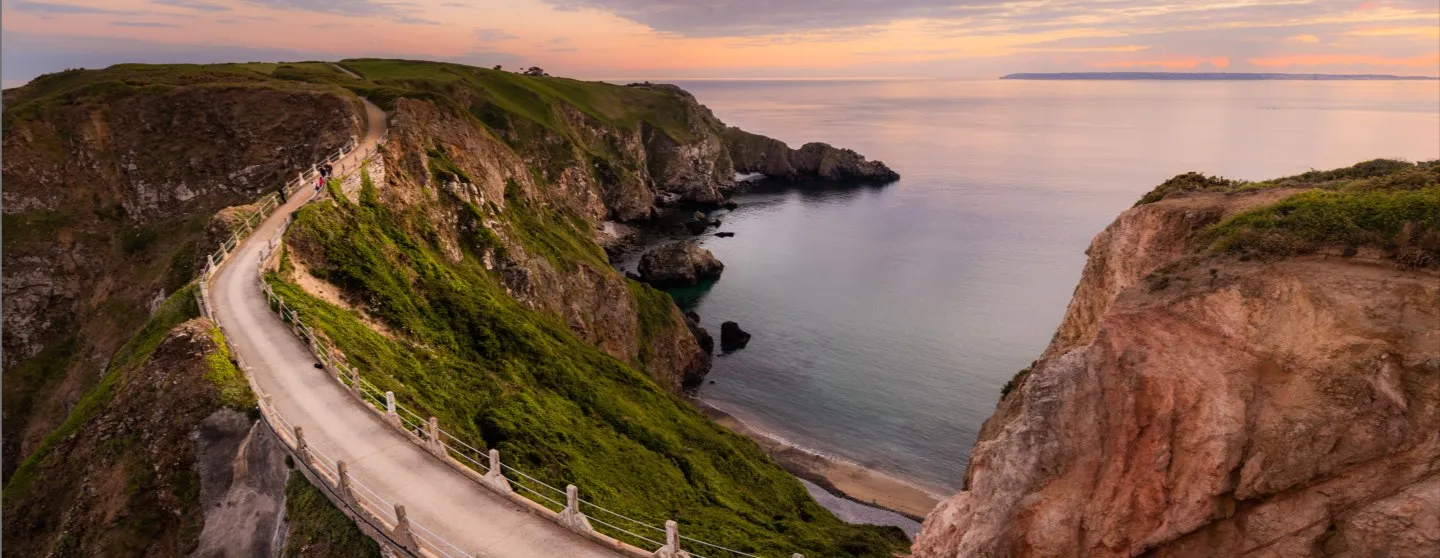
The only land route to Little Sark, sea falling away on both sides. Crossed on hands and knees before the rails, concreted by prisoners of war in 1945.
La Coupée is the piece of land that keeps Sark in two parts without allowing it to become two islands, not simply a narrow path with a dramatic view.
Read the full story -
The black dog that followed people after dark Ghosts and the dark
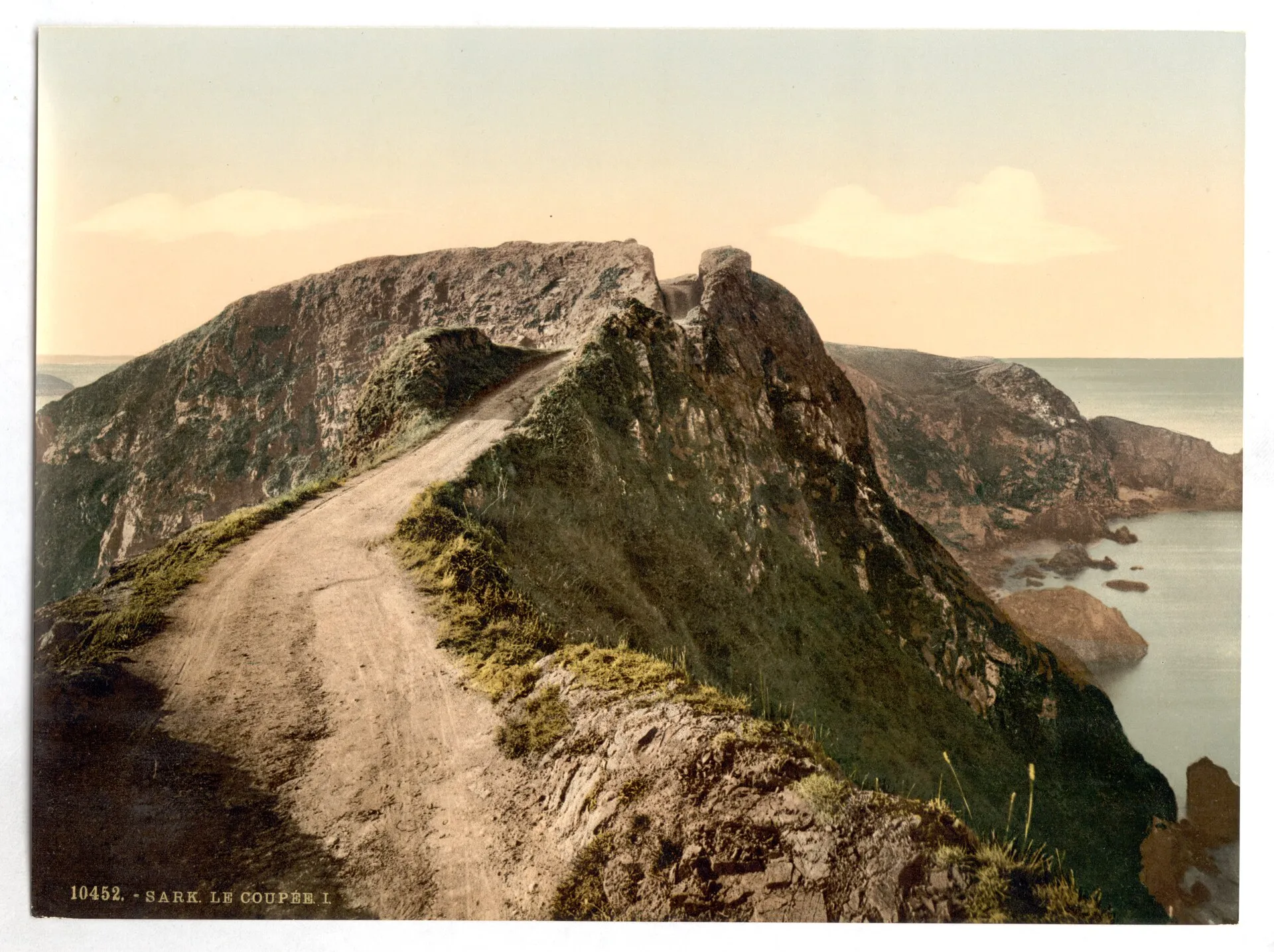
In Sark folklore a headless black dog called the Tchico ran La Coupee at night, pursuing people who were about to die. The landscape explains why.
The crossing between Sark and Little Sark is narrow, high and exposed. People used it because there was no other land route south.
Read the full story
Grande Grève 1 story
-
Sark's beaches Things to do
Sark beaches sit below the island's cliffs. Find the bays and coves, how to reach them on foot, and why tides change what you find.
Most of Sark's beaches sit below the island's plateau, reached by paths, steps or a descent through a valley, and where you end up depends on how far down you are willing to go.
Read the full story
La Sablonnerie, Little Sark 1 story
-
Sark's Witch Trials Witchcraft and mystery
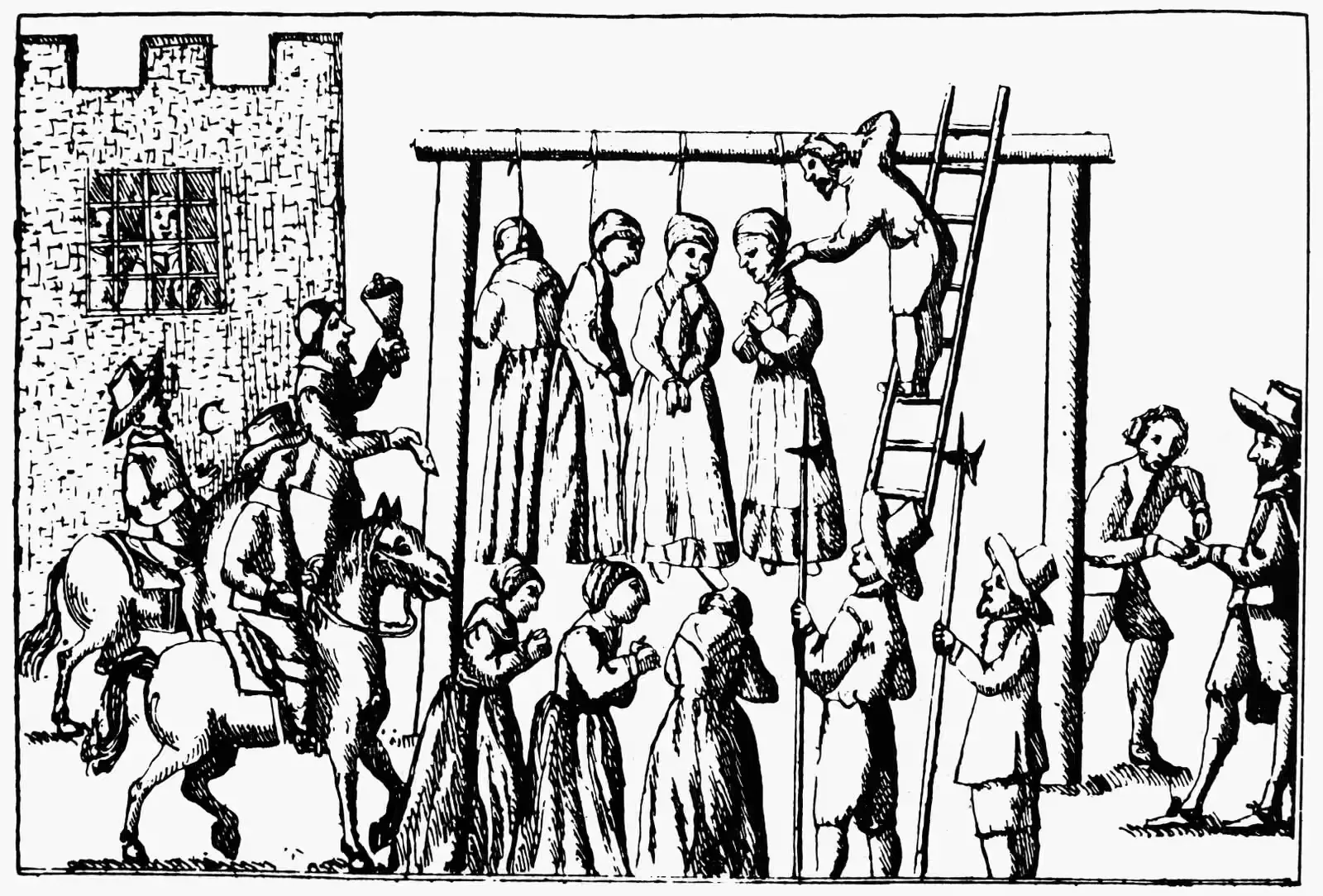
Sour milk and a cat that would not leave her: the story behind a Little Sark woman's 1627 conviction for sorcery.
Sour milk and a cat that would not leave her. That is what later correspondence about the case says lay behind Rachel Alexandre's conviction for sorcery in 1627. Her own surviving court sentence, by contrast, names no specific evidence at all.
Read the full story
Little Sark 1 story
-
Little Sark Things to do
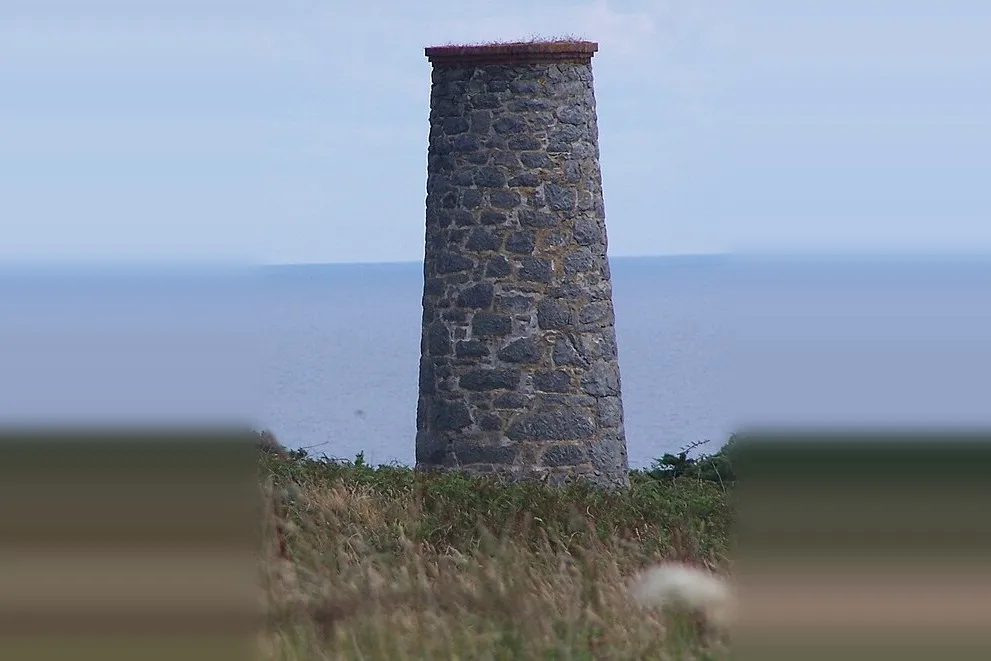
South of La Coupée, far fewer people make it to Little Sark: a silver mine that ruined a Seigneur, a 4,800 BC settlement, and natural pools in the rock.
You may not see another walker for long stretches, only the waves, the birds, the sheep, and sometimes nothing at all.
Read the full story
The cliffs of Little Sark 1 story
-
The cave beneath Little Sark that seemed to cry Ghosts and the dark
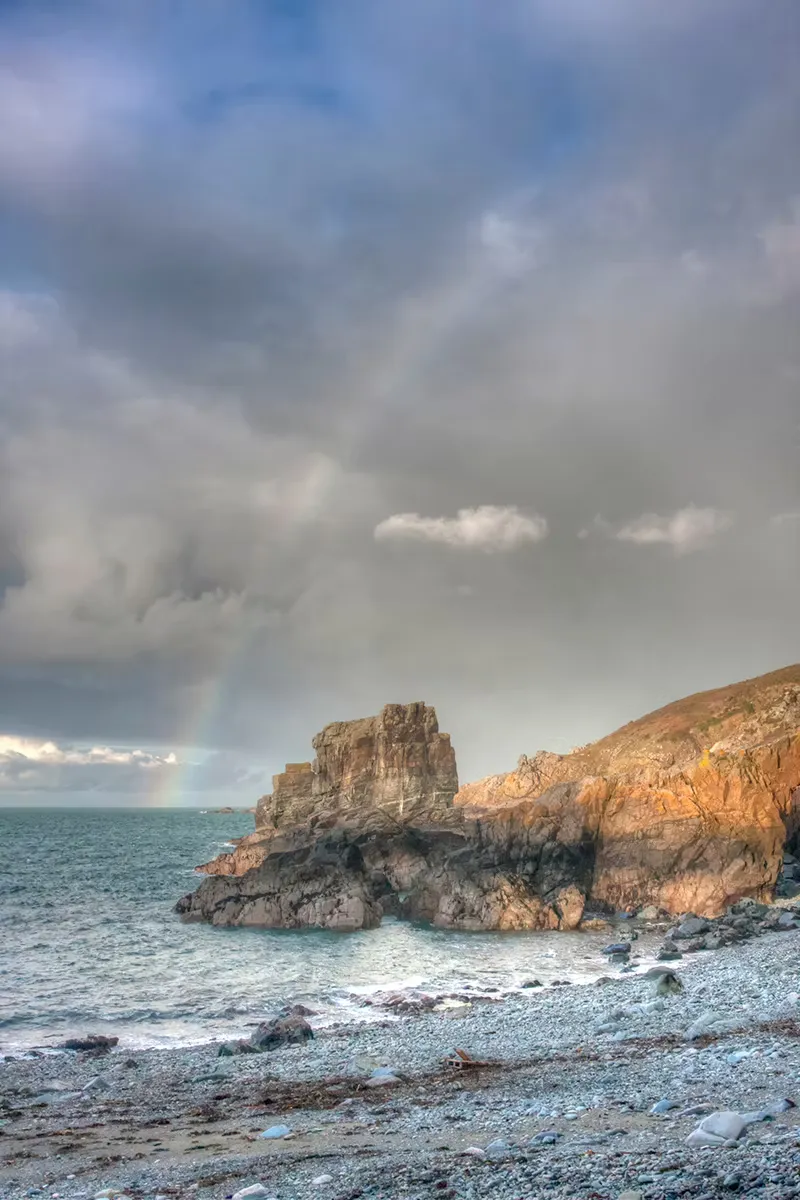
La Caverne des Lamentes beneath Little Sark became linked with drowned sailors and cries in a gale. The story shows how landscape shaped the folklore.
There is a cave beneath Little Sark whose name already tells you what people thought they heard there.
Read the full story
The Venus Pool 3 stories
-
The Venus Pool and wild swimming on Sark Things to do
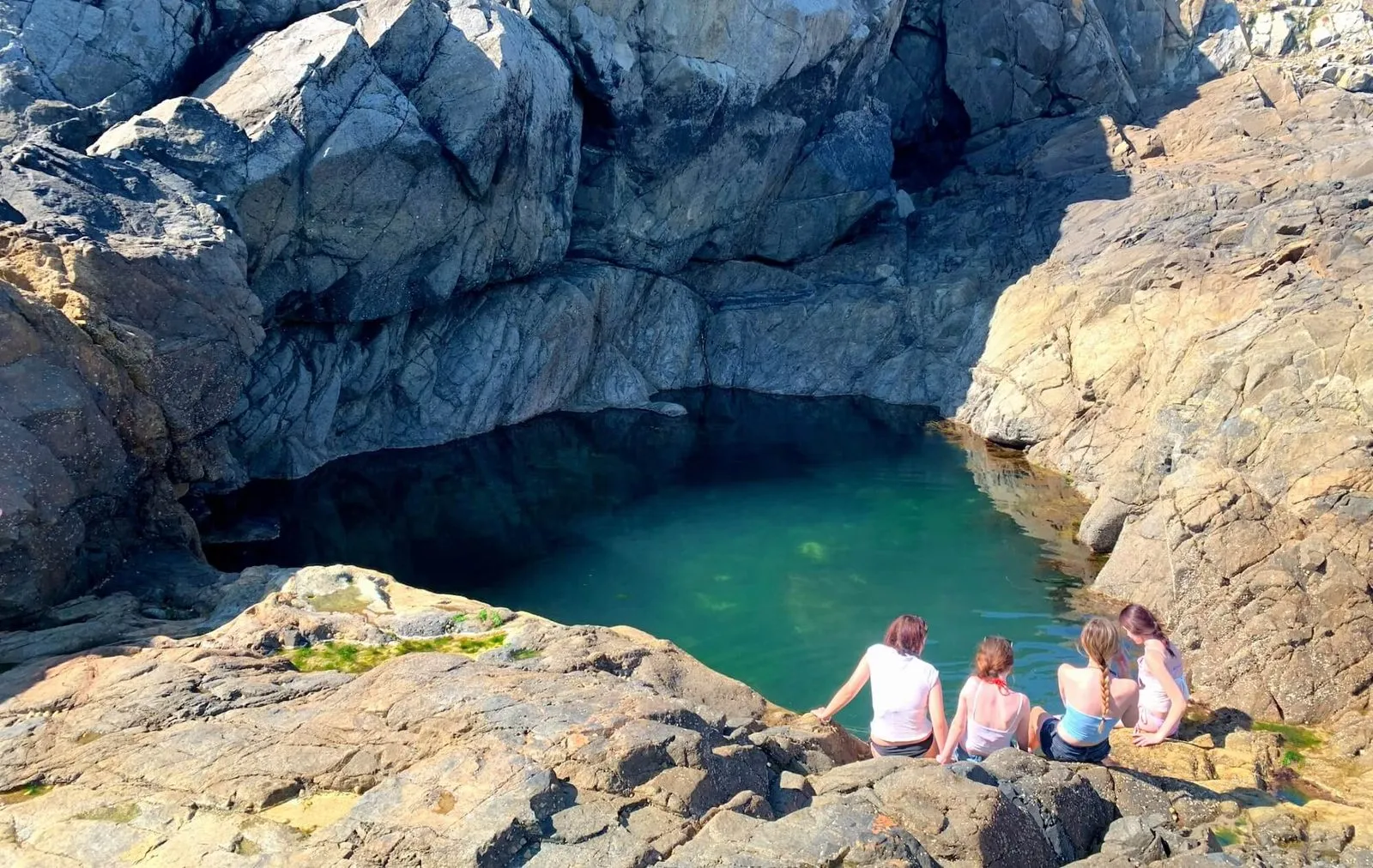
The Venus Pool is only uncovered around low tide. How to time the walk down, what the rock is like underfoot, and where else on Sark you can wild swim.
It lies below the cliffs at the southern end of Little Sark, hidden from the headland above. For much of the day the sea covers it. As the tide falls, the water retreats and a deep natural pool appears among the rocks.
Read the full story -
The naked woman who helped put Sark on the map The hidden coast
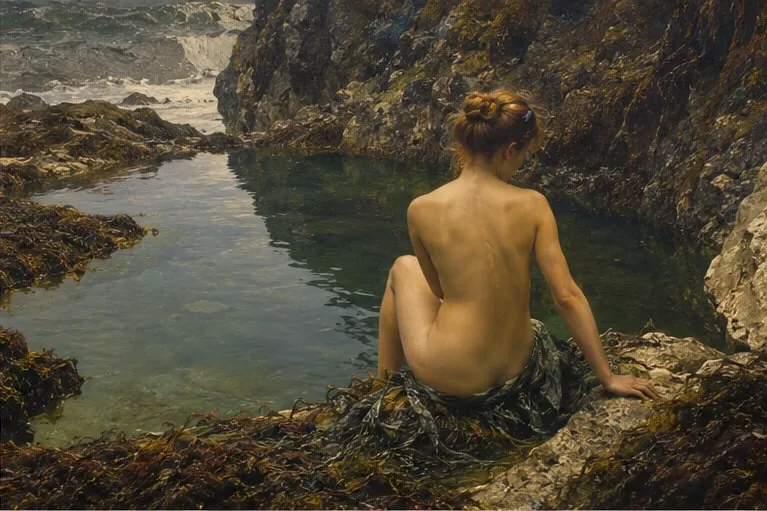
William Toplis painted Sark's Venus Pool for decades before the Royal Academy exhibited his Bath of Venus in 1910.
William Toplis had been shown the tidal pool below the cliffs of Little Sark by his friend Peregrine Feeney. Asked what he would call the picture, Toplis reportedly answered with his friend's name.
Read the full story -
Alan Turing on Sark: a holiday before the legend The hidden coast
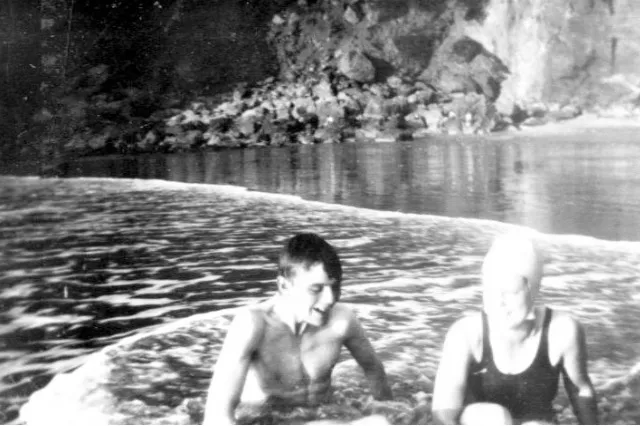
Alan Turing holidayed on Sark in 1931 and 1932, with a party that stayed at La Ville and bathed at the Adonis and Venus pools.
He is twenty years old. Beside him is Peggy Shaw. The photograph survives in the Sherborne School archive.
Read the full story
Guernsey 3 stories
-
Sex with the Devil: what Guernsey's witch trials recorded Witchcraft and mystery
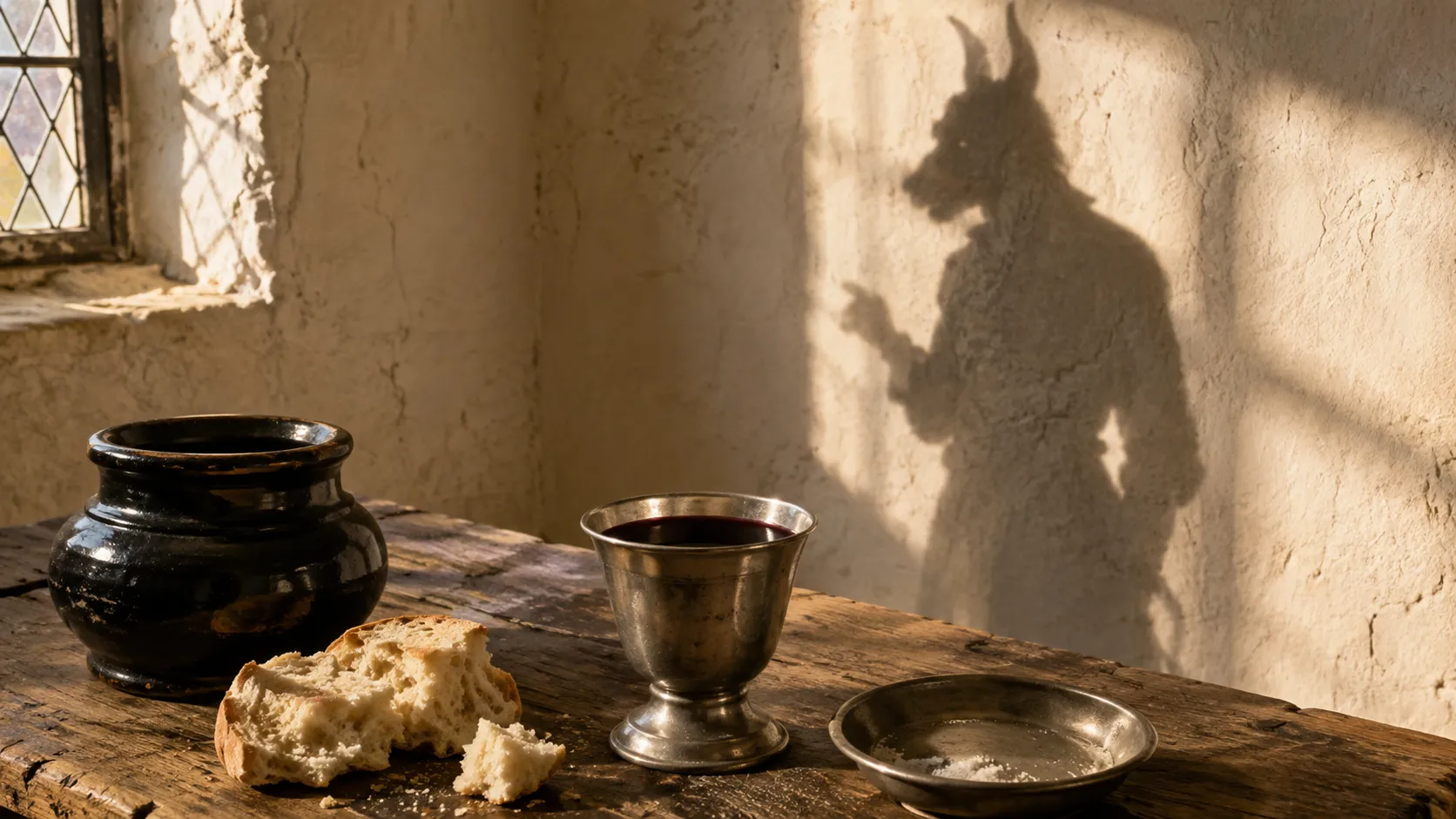
Guernsey's 1617 witchcraft case began with illness and failed milk. The Devil, Sabbath and sexual confessions came after conviction and torture.
On 4 July 1617, Guernsey's Royal Court sentenced Collette du Mont, Marie Becquet and Isabel Becquet to death for witchcraft.
Read the full story -
How Guernsey extracted confessions from accused witches Witchcraft and mystery
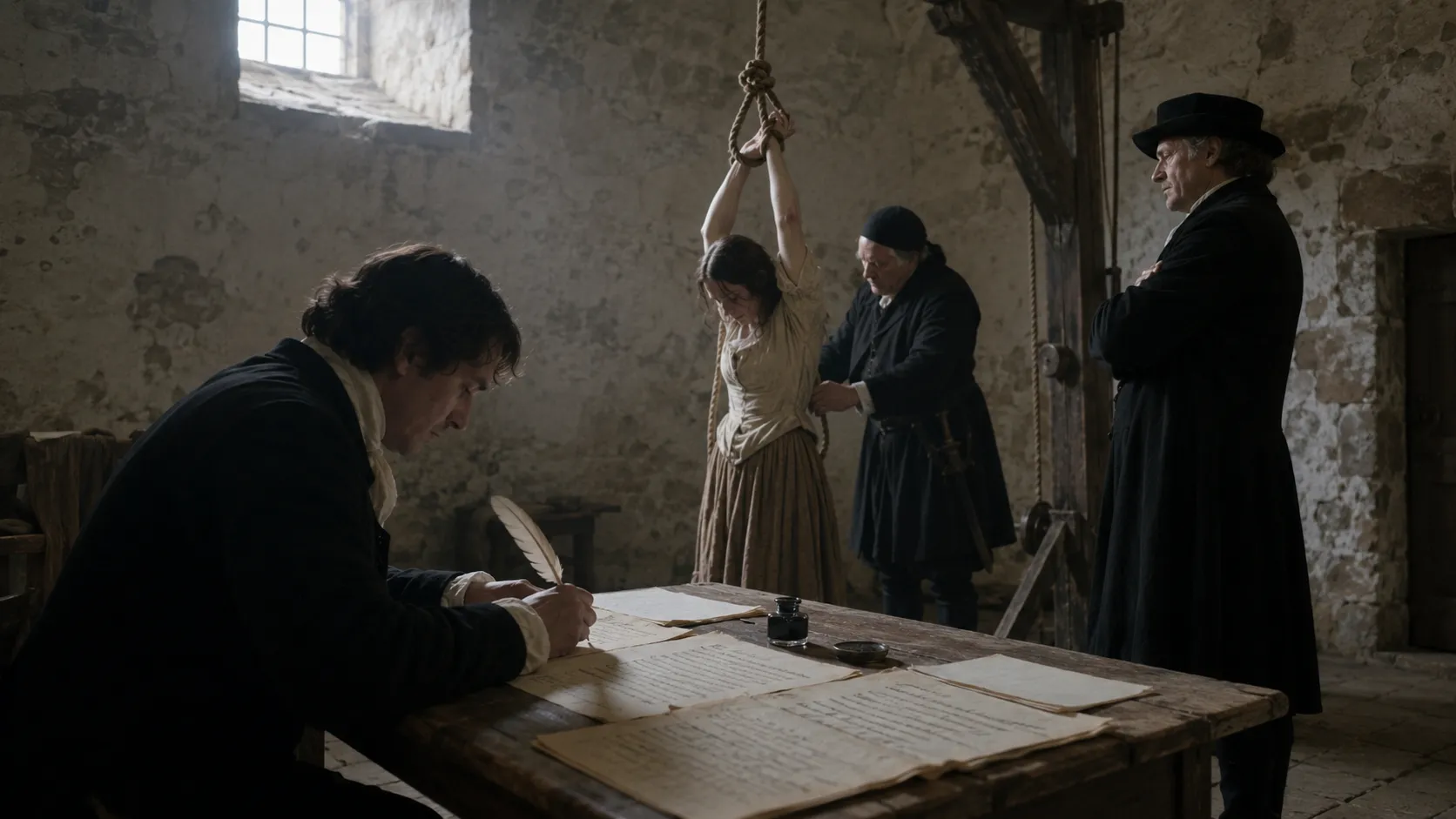
Guernsey's witch trials used torture after conviction to get confessions and accomplice names. A later account explains what 'put to the question' meant.
In the witchcraft proceedings of 1617, torture came after conviction. The court wanted the condemned to disclose supposed accomplices before they were put to death.
Read the full story -
Jean Nicole's escape from Castle Cornet Witchcraft and mystery
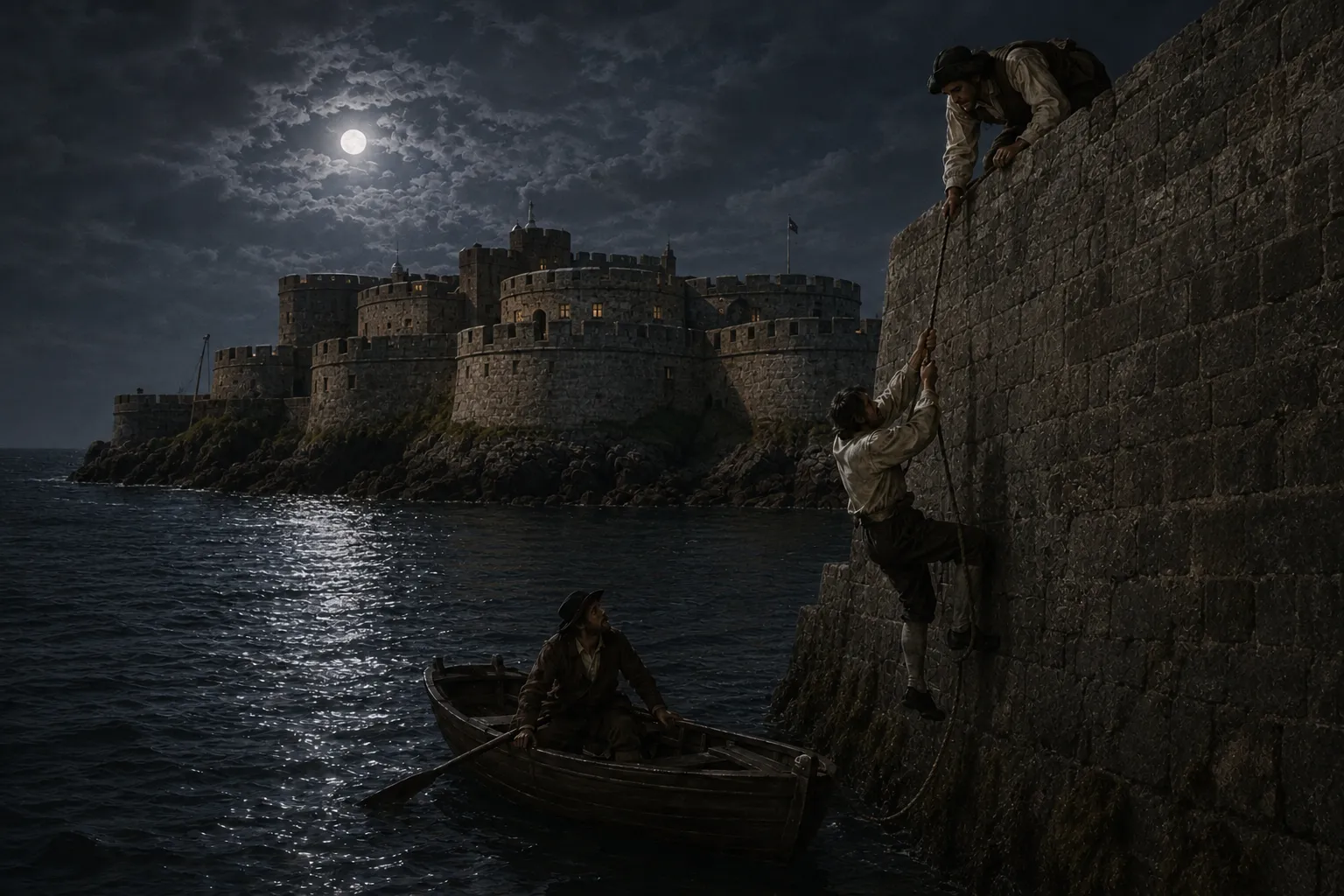
Jean Nicole of Little Sark was accused of sorcery, held in Castle Cornet and escaped at night with a prisoner accused of murder.
Jean Nicole lived at La Sablonnerie on Little Sark with his wife, Rachel Alexandre.
Read the full story
The whole island 73 stories
Getting to Sark 4 stories
-
Sark from Guernsey: day trip or stay?
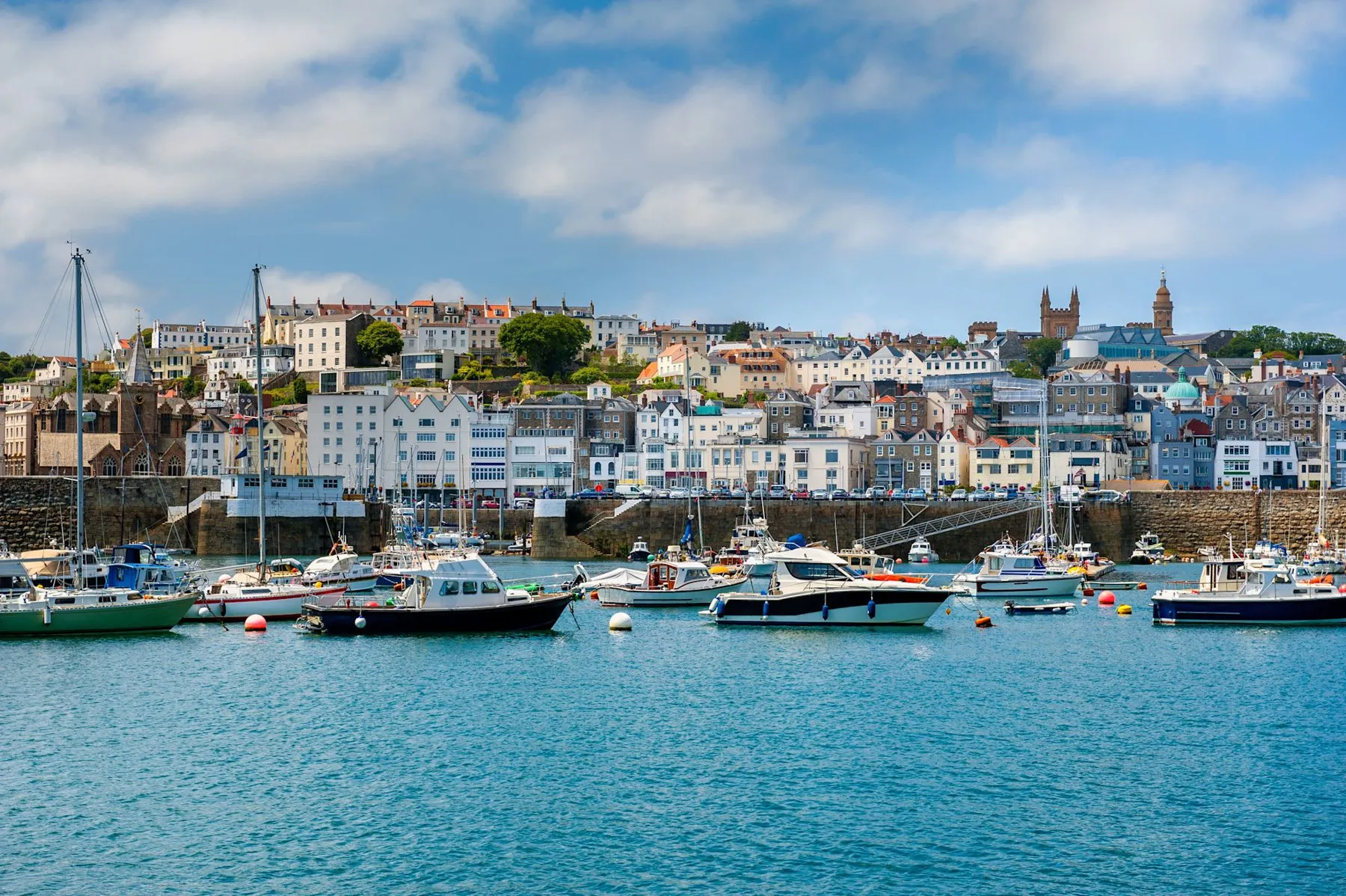
The Sark boat from Guernsey, from a Guernsey person's angle. Whether it is worth the trip for a day, an evening, a night, or five.
If you live in Guernsey, this is your closest island, and there is a reasonable chance you have not been for years.
Read the full story -
Getting to Sark from Jersey
The Jersey to Sark ferry runs seasonally, not all year. What to check before booking, and how to make one day on the island count.
The passenger ferry leaves St Helier and takes about eighty minutes. It runs several times a week from April to September, but not every day.
Read the full story -
Getting around an island with no cars
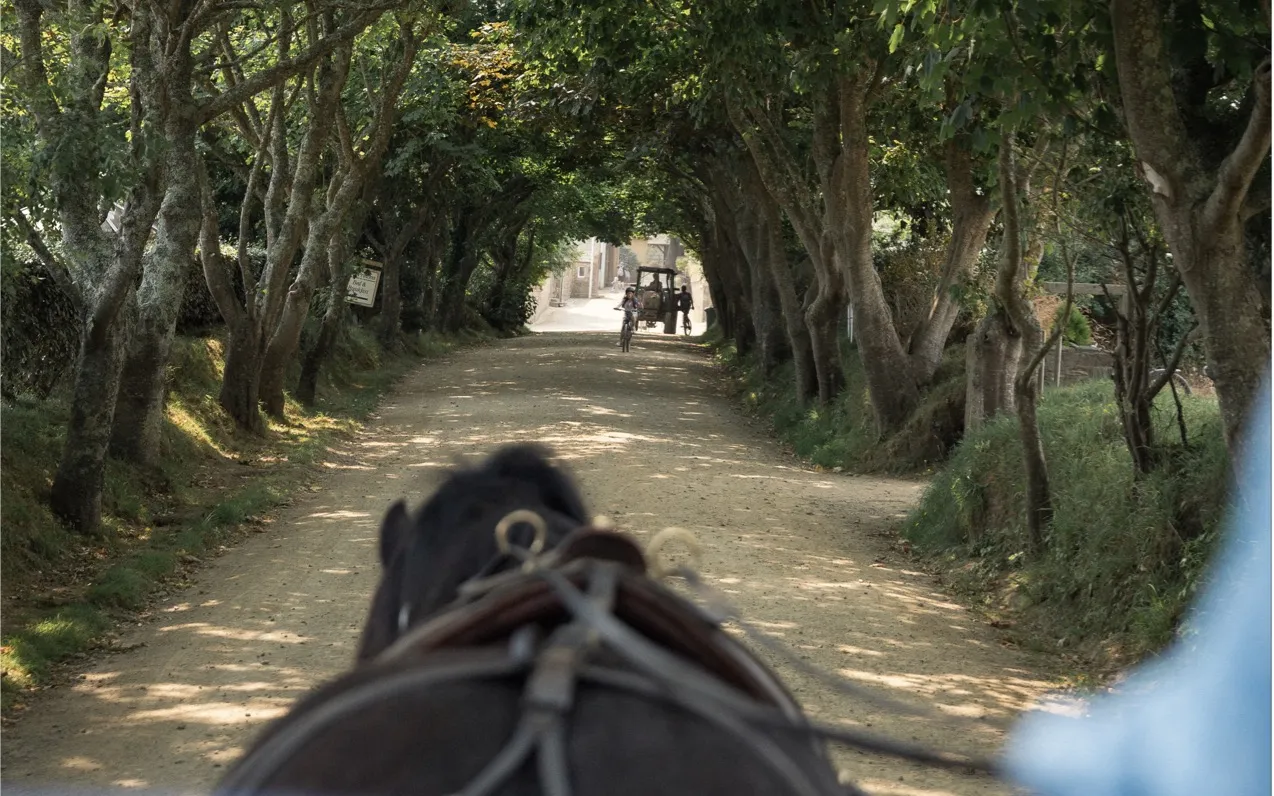
Sark is car free for residents and visitors. Here is how walking, bicycles, horse-drawn carriages, tractors and the toast rack make the island work.
Sark is around three and a half miles long and one and a half miles wide. Its lanes, tracks and paths are unpaved, and much of the island can be reached on foot.
Read the full story -
What to pack for Sark
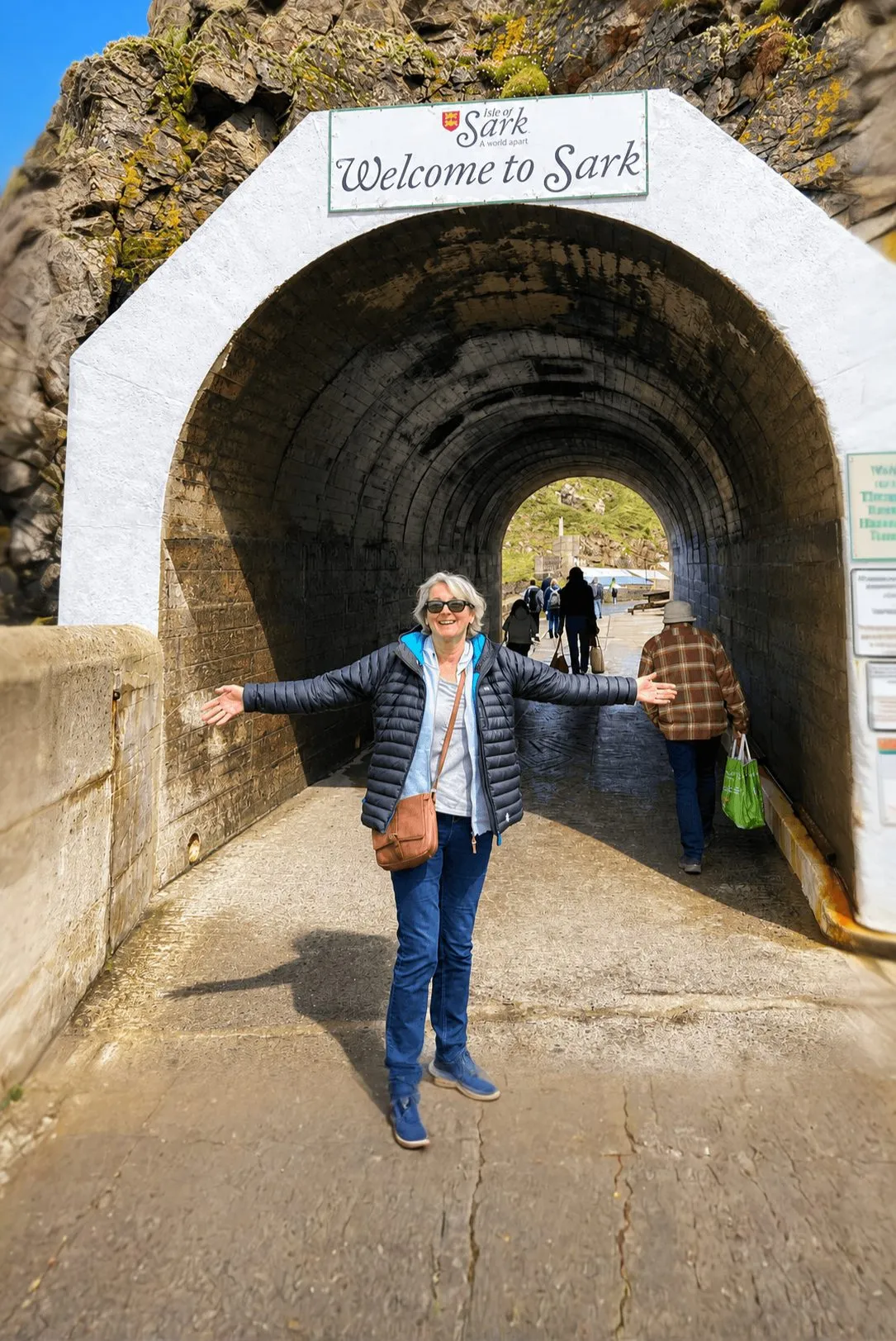
What to pack for Sark depends less on formality than on walking, weather and darkness. The essentials are simple: shoes with grip, layers and a torch.
You will walk. The weather can change across a day. After dark, the lanes are unlit.
Read the full story
Things to do 5 stories
-
Walking Sark
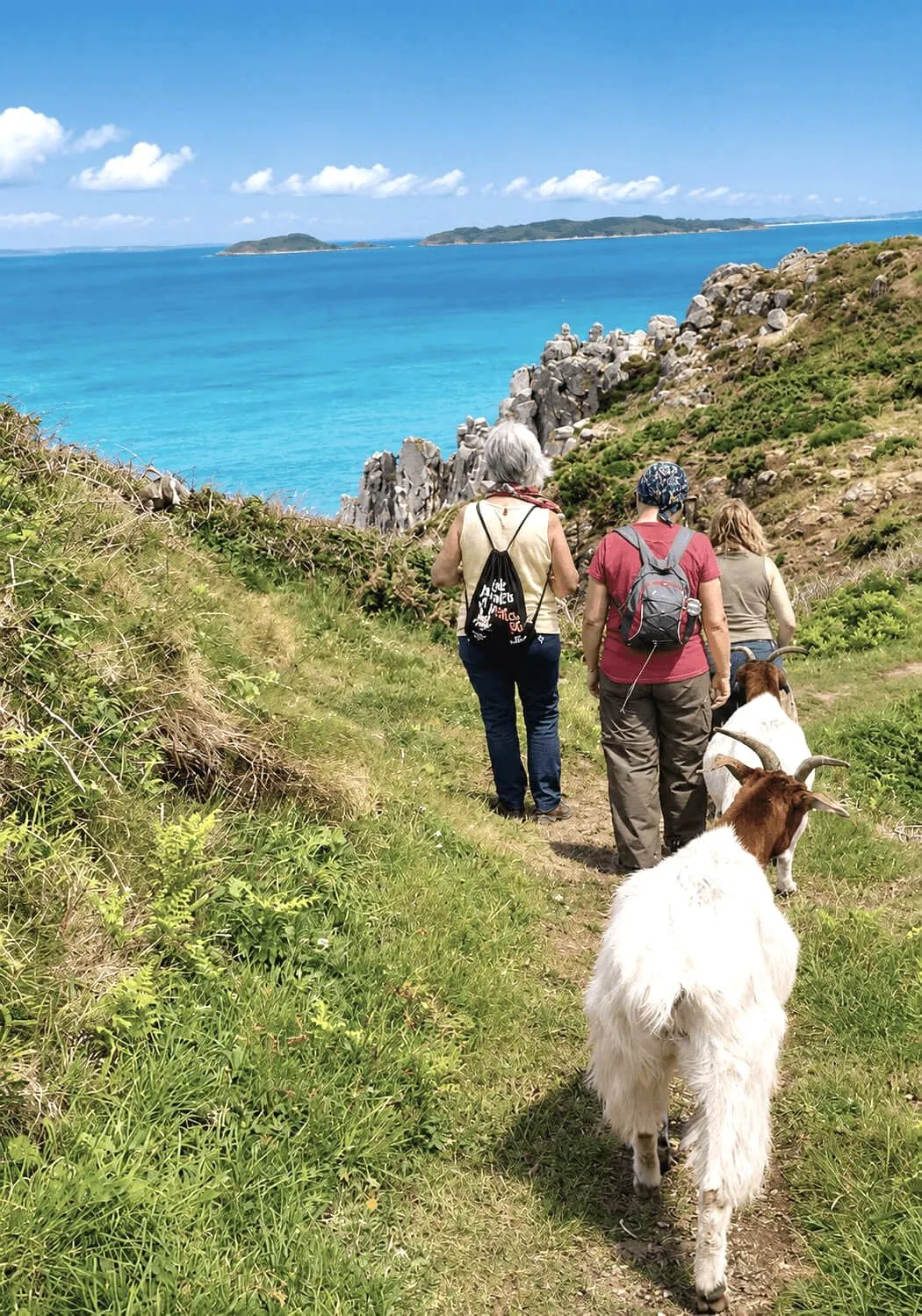
The island is small enough to cross without a car, three and a half miles by a mile and a half, but that is not what makes walking important here. There is no single coast path circling Sark. The paths that exist were never built as a walking network. They are lanes, tracks and the routes people have always used to reach a beach, a headland or a neighbour, and walking is how you actually use them.
Read the full story -
Cycling on Sark
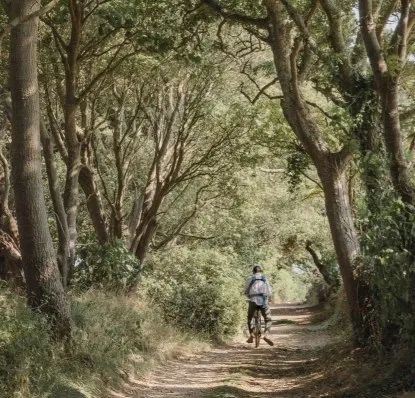
You still hear the horses. You still stop when the sea appears through a gap in the hedge.
Read the full story -
The solar eclipse from Sark, 12 August 2026
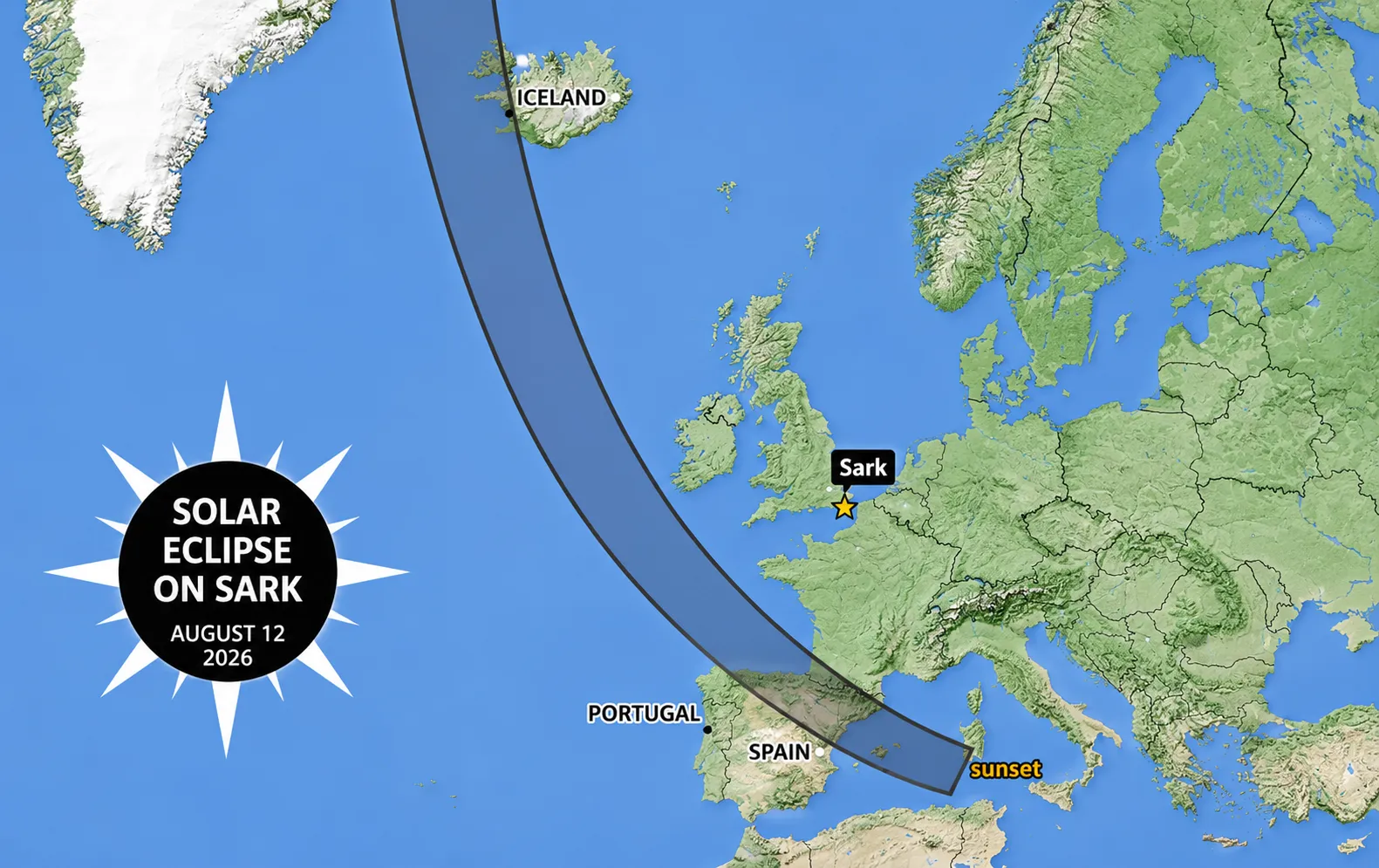
The Channel Islands were forecast a deep partial eclipse at dusk on 12 August 2026, nearly all the sun gone, as totality swept the Arctic to Portugal.
On the evening of 12 August 2026, the moon moved in front of the sun, and the Channel Islands sat closer to the deepest part of the eclipse than almost anywhere in the British Isles. Totality ran through the Arctic, Iceland and Spain; the islands' share was a deep partial eclipse at dusk, most of the sun gone, low in the west.
Read the full story -
When to visit Sark
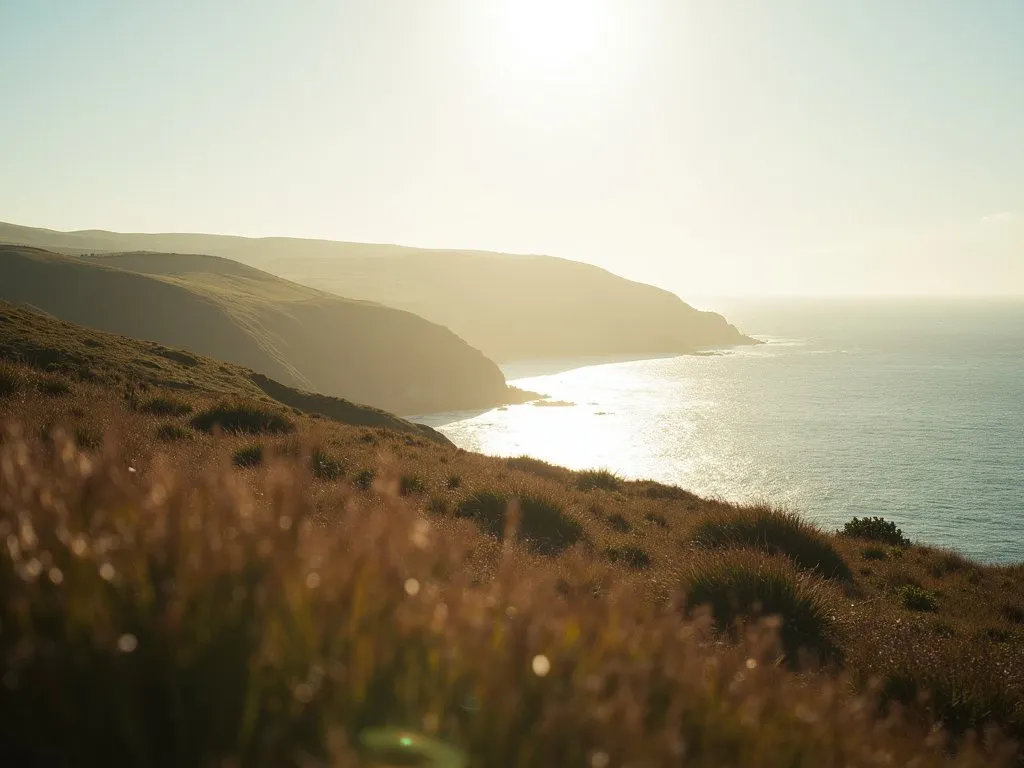
There is no single best month to visit Sark. The right time depends on whether you want long evenings, quieter lanes, warmer water or fewer visitors.
Choosing when to come to Sark is less about finding perfect weather and more about deciding what kind of week you want.
Read the full story -
If it rains on Sark
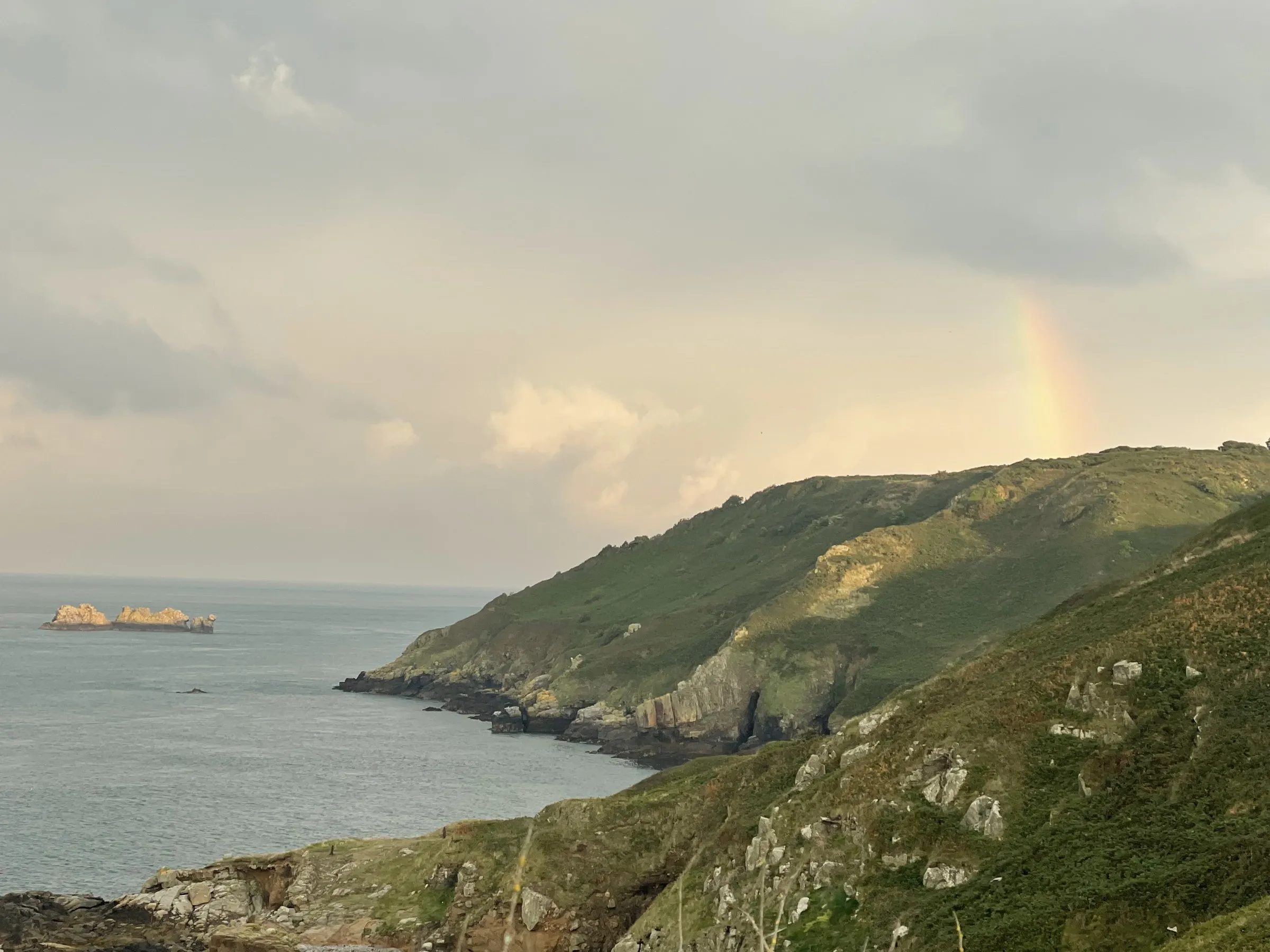
Rain changes the colour and pace of Sark, but it does not empty the day. A practical answer about walking, retreat time and island weather.
Sark gets rain, the same as anywhere else in the Channel Islands. It changes what a day here looks like, not whether it's worth having.
Read the full story
Nature 9 stories
-
Sark wildlife, what you actually see
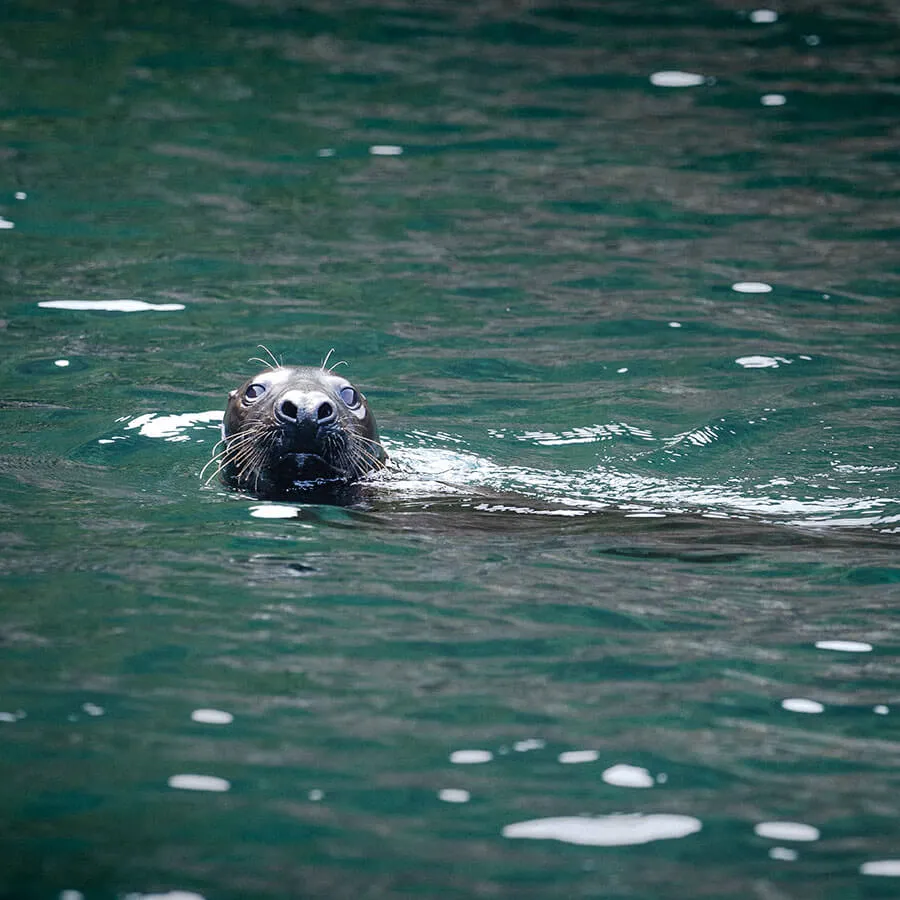
Sark's wildlife is not gathered into one reserve. It appears along the cliffs, in the gorse, offshore and sometimes beside the ferry.
It is spread across the cliffs, the headlands, the gorse, the offshore stacks and the water around the island.
Read the full story -
Sark's birds, counted
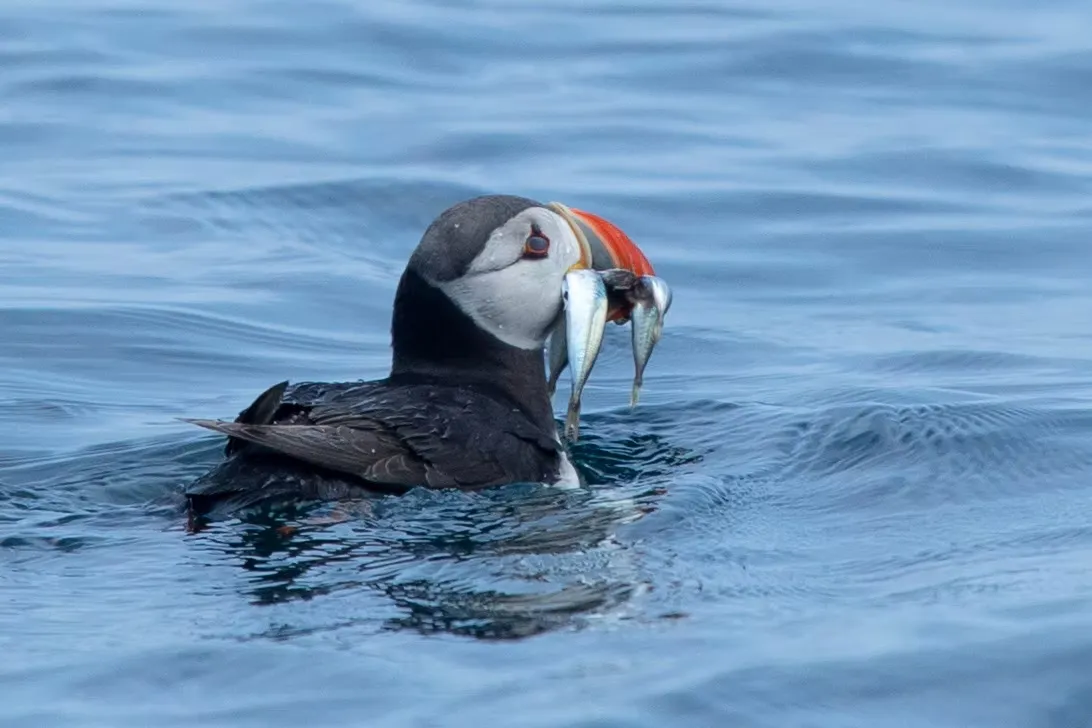
Guillemots counted by drone, a kittiwake return after almost 80 years, barn owls and two chough. Sark's birds through the 2024 and 2025 records.
Sark's seabird colonies are growing, and the growth has been measured, not guessed. In 1968 the guillemot colony at Les Autelets held 76 breeding pairs. By 2022 it held 175, a second colony at Les Burons, only begun in 2019, had already reached 200 pairs, and in 2025 drone surveys counted more than 1,000 birds across the two sites combined.
Read the full story -
The butterflies of Sark
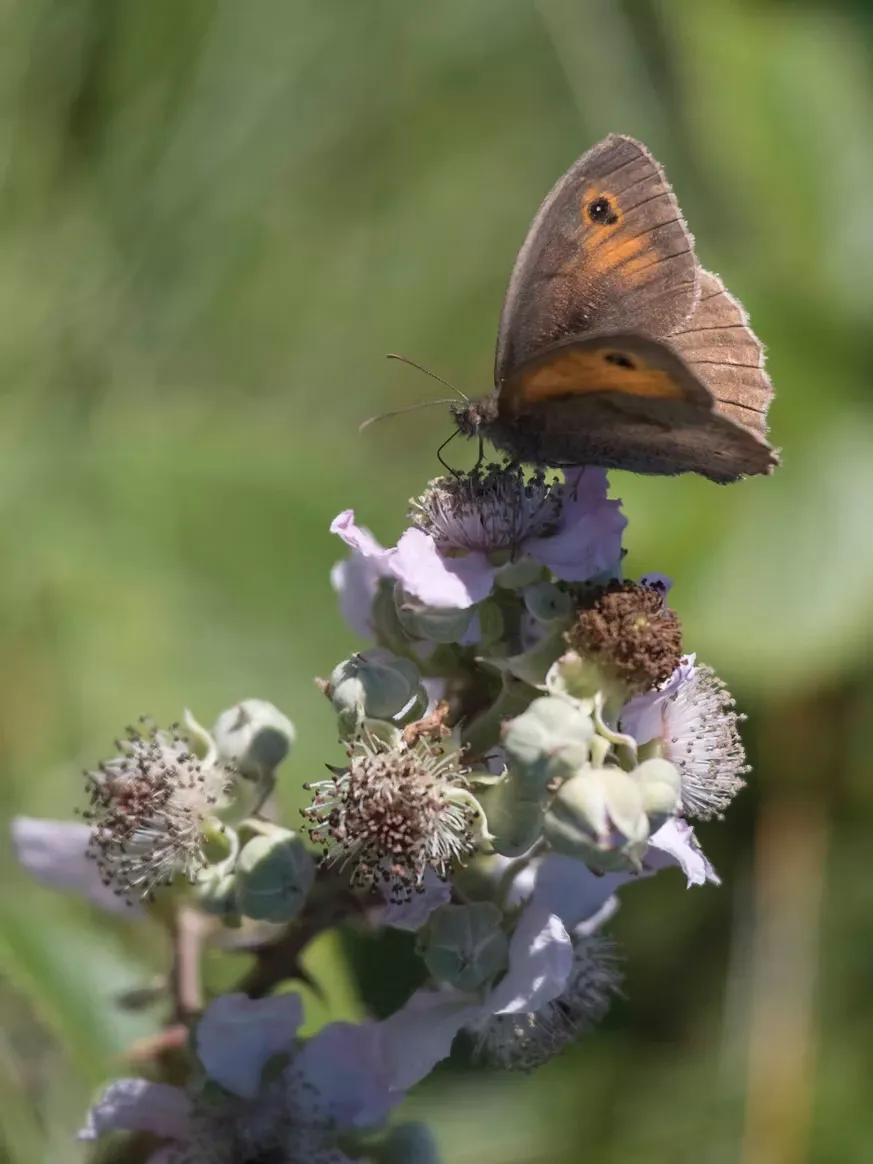
In May 2025 the Glanville fritillary returned to Sark after nearly thirty years. The island's butterflies, its recorders, and what a wet year changes.
In May 2025 a Glanville fritillary was seen in a meadow at Vallon d'Or. The species had not been recorded on Sark for nearly thirty years, since about 1997, and was believed extinct on the island. Further sightings followed near La Coupee and in Little Sark, enough to suggest several small colonies rather than a single stray.
Read the full story -
Sark's moths and the light trap
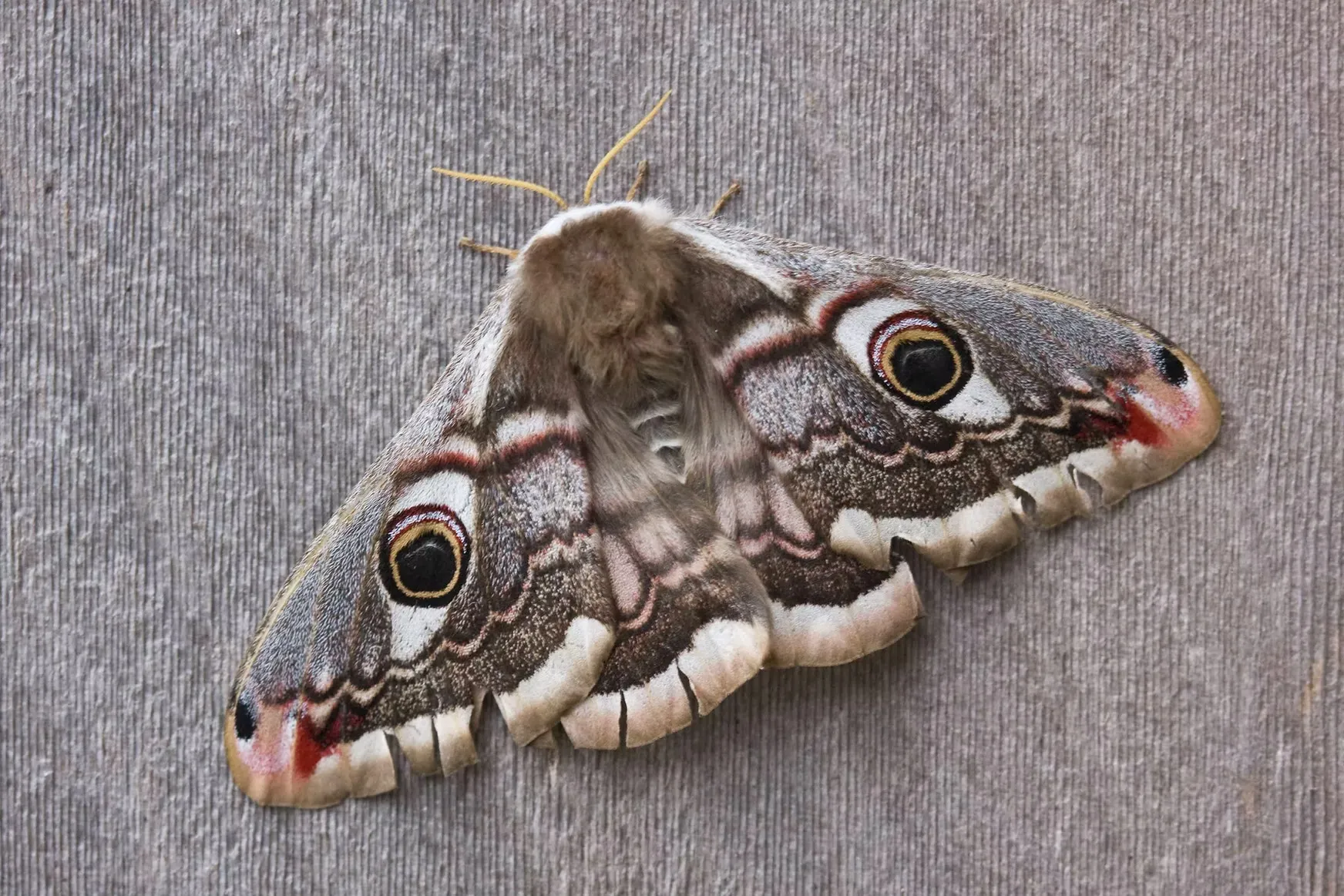
Most of Sark's 2024 moth records come from one light trap. A wet year, an October explosion, and a ledger kept exactly as written, on the Dark Sky Island.
Michael Shaffer, one of the recorders who built Sark's moth list, wrote that from the large fauna present it is possible to observe live adults at almost all times of the year. In almost any month you could visit, some of them are on the wing.
Read the full story -
Four years of listening to Sark's nights
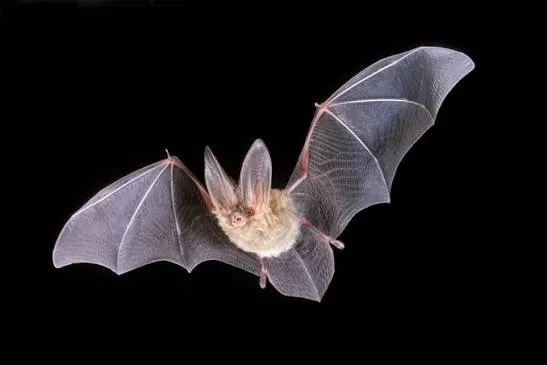
Four seasons of acoustic detectors on Sark found eight bat species, one unsolved identification and two animal records no other island in the survey has.
On the night of 30 July 2022, a bat detector on Sark logged 3,755 echolocation recordings of Common Pipistrelle. That is one species, on one night, on one small island. It was the busiest night for the species in four years of listening, and Common Pipistrelle finished those four years as Sark's most recorded bat by far.
Read the full story -
The crawfish of Sark, fished out and coming back
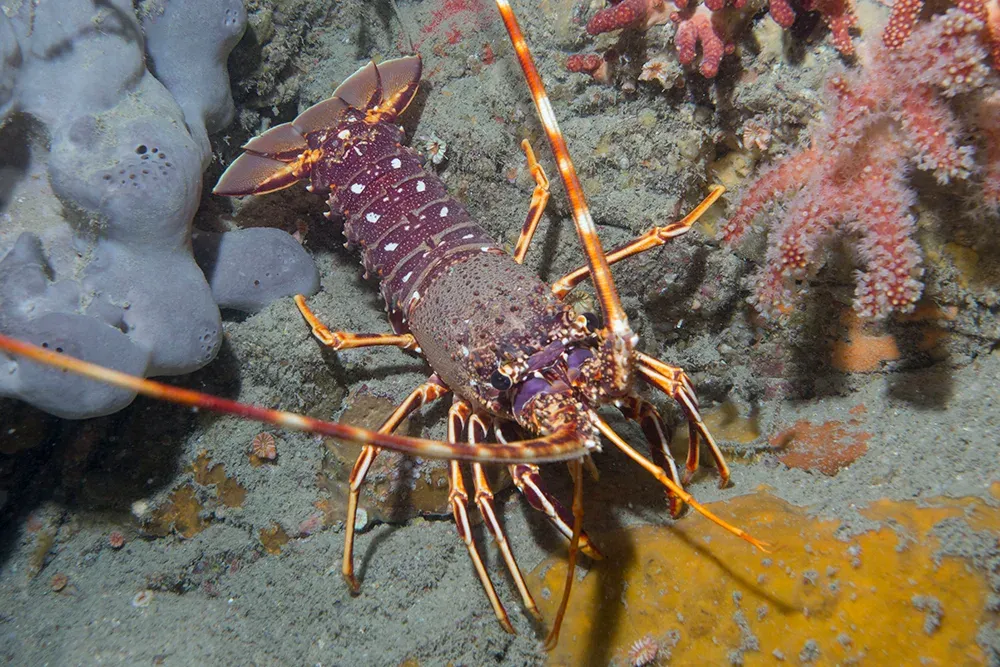
Crawfish were fished to commercial extinction in the 1960s and 1970s. Sark's waters are now the only place in the British Isles to protect them fully.
Sark's waters are the only place in the British Isles where crawfish are fully protected. The 2024 survey report goes further and calls them the only such waters in the British Isles and Europe. Behind that law sit fifty years of loss, three snapshot surveys and a recovery that has not moved in a straight line.
Read the full story -
Wildflowers on Sark
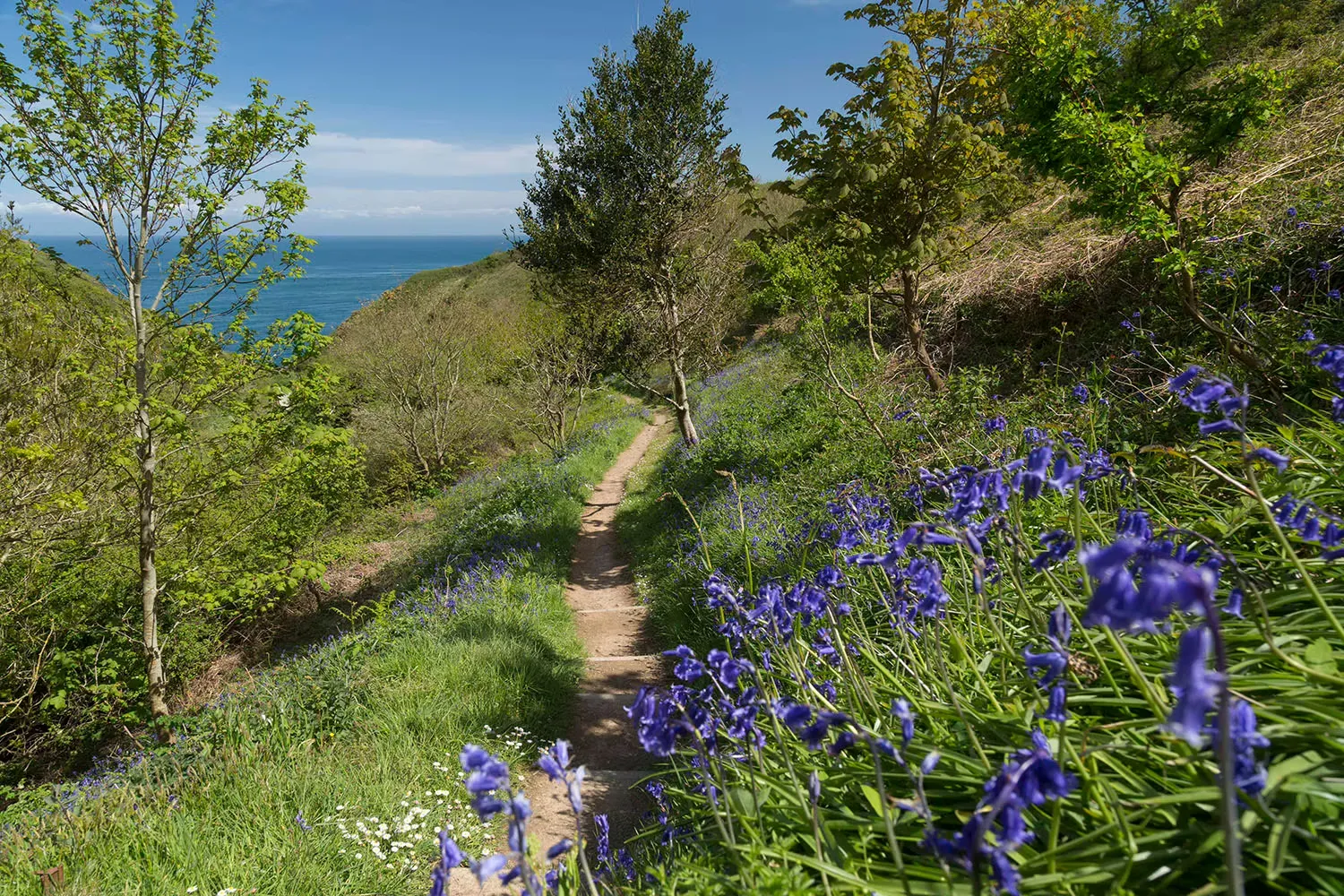
Sark's wildflowers do more than colour the paths. They reveal how the island changes through the year, from winter crocus to bluebells and autumn sloes.
Sark is ever changing, and wildflowers are one of the clearest ways to notice it.
Read the full story -
The plant list of Sark
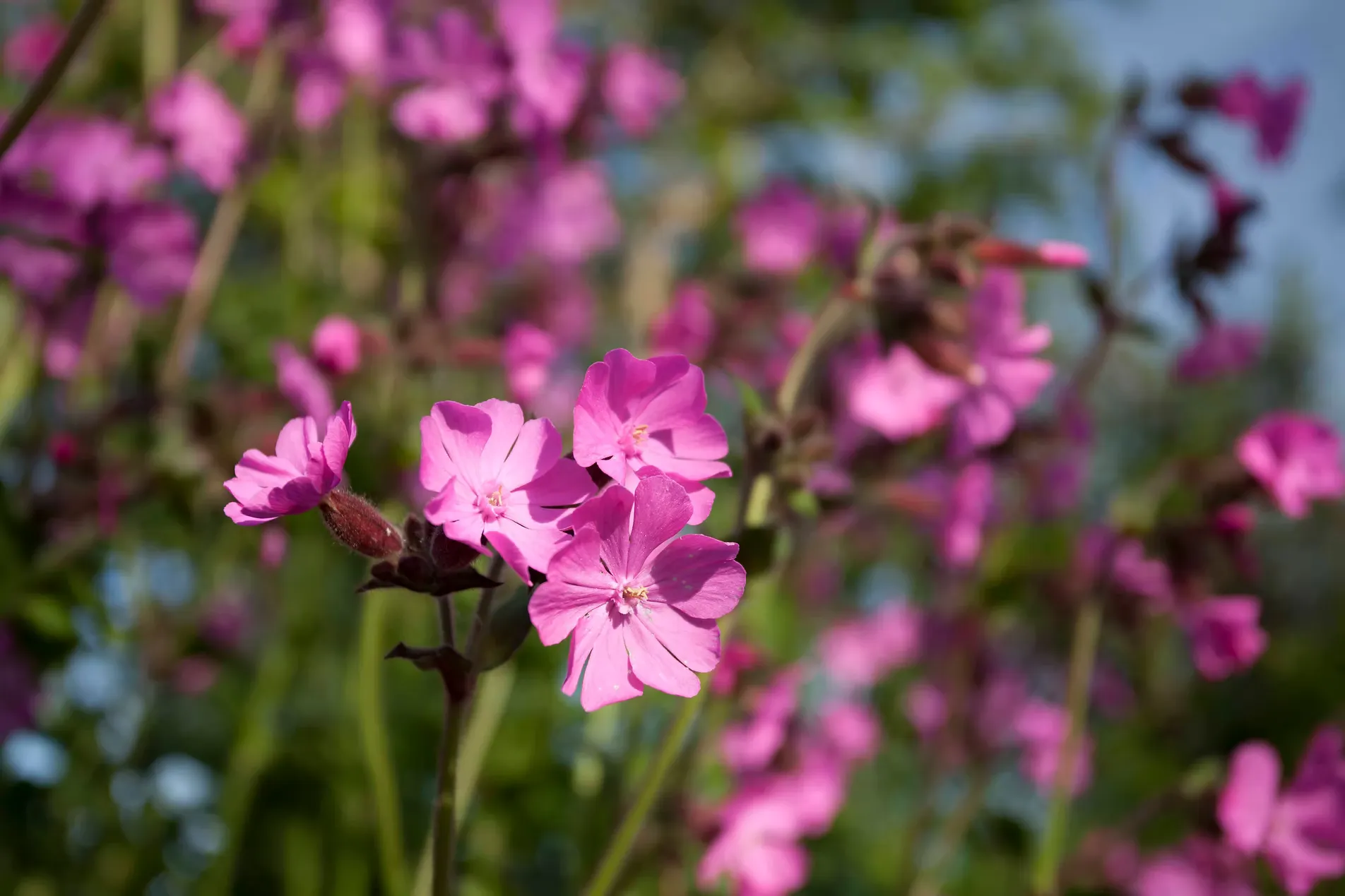
Sark measures three and a half miles by one and a half, and its plant list records 712 plants. The spreadsheet, the herbarium and the recorders.
Sark measures around three and a half miles long by one and a half miles wide, and its plant list records 712 plants. Hold those two figures together for a moment. A piece of land you could shade with your thumb on a map of the Channel carries a recorded flora seven hundred entries deep, and every one of those entries got there because somebody found the plant, identified it and wrote it down.
Read the full story -
The rocks of Sark, two billion years underfoot
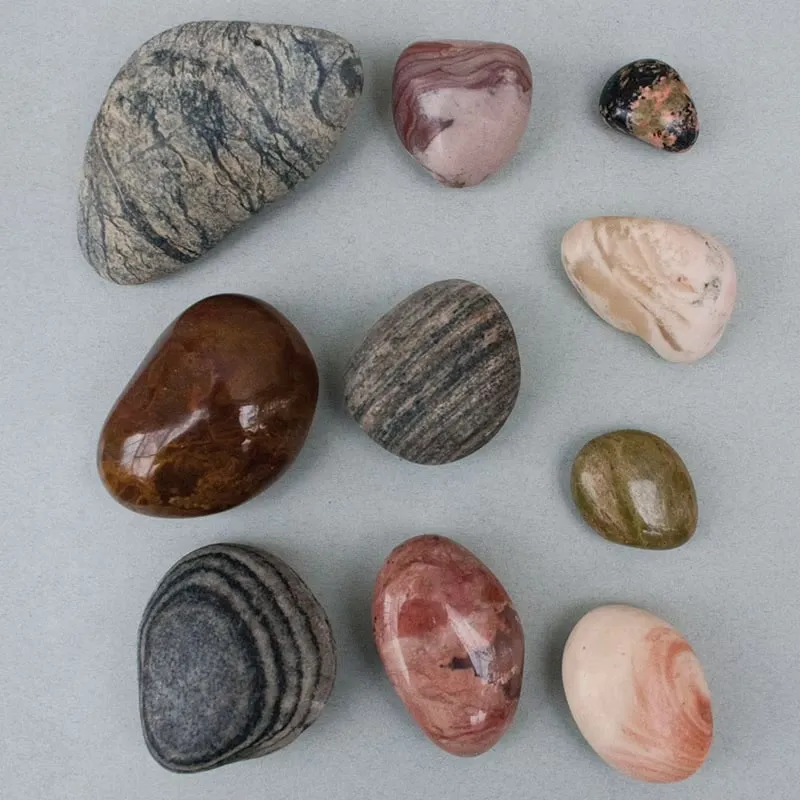
Most of Sark stands on gneiss about two billion years old. The story of the island's rocks, from Little Sark's dark diorite to the youngest dykes.
Most of Sark stands on rock about two billion years old. Geologists call it biotite gneiss, and it is the country rock of the whole island apart from Little Sark. A newly exposed surface is a glittery grey, often streaked with pale quartz and feldspar.
Read the full story
The hidden coast 2 stories
-
Victor Hugo's son went swimming on Sark. An octopus followed him.
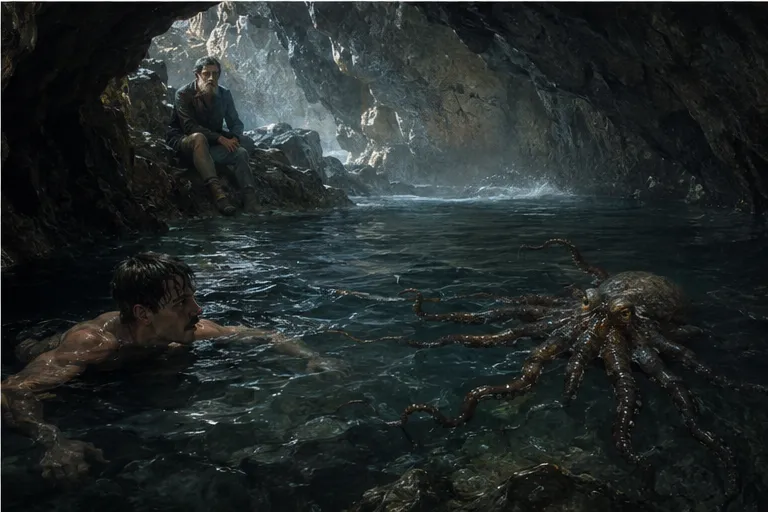
Victor Hugo saw an octopus pursue his son Charles while he bathed in a Sark cave in 1857. Toilers of the Sea followed nine years later.
Victor Hugo was living in exile in Guernsey when he visited Sark. During the visit Charles bathed in a cave. An octopus pursued him through the water.
Read the full story -
Before she ruled Sark, Sibyl Collings climbed and swam around it
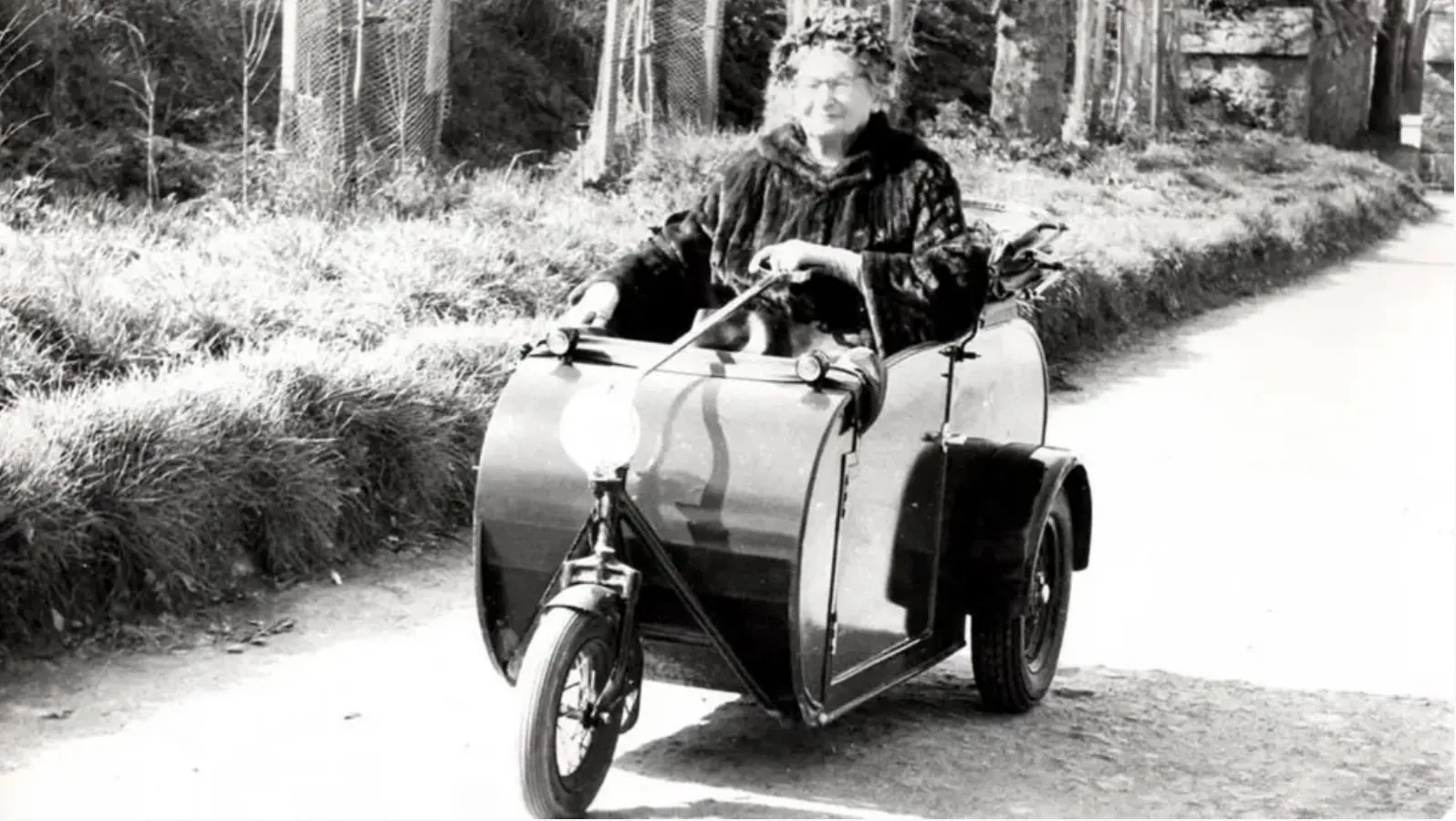
Before becoming Dame of Sark in 1927, Sibyl Collings climbed and swam around the island's coast despite having unequal leg length.
Before she became Dame of Sark in 1927, she had climbed and swum around the island's coastline.
Read the full story
History 5 stories
-
A very short history of Sark
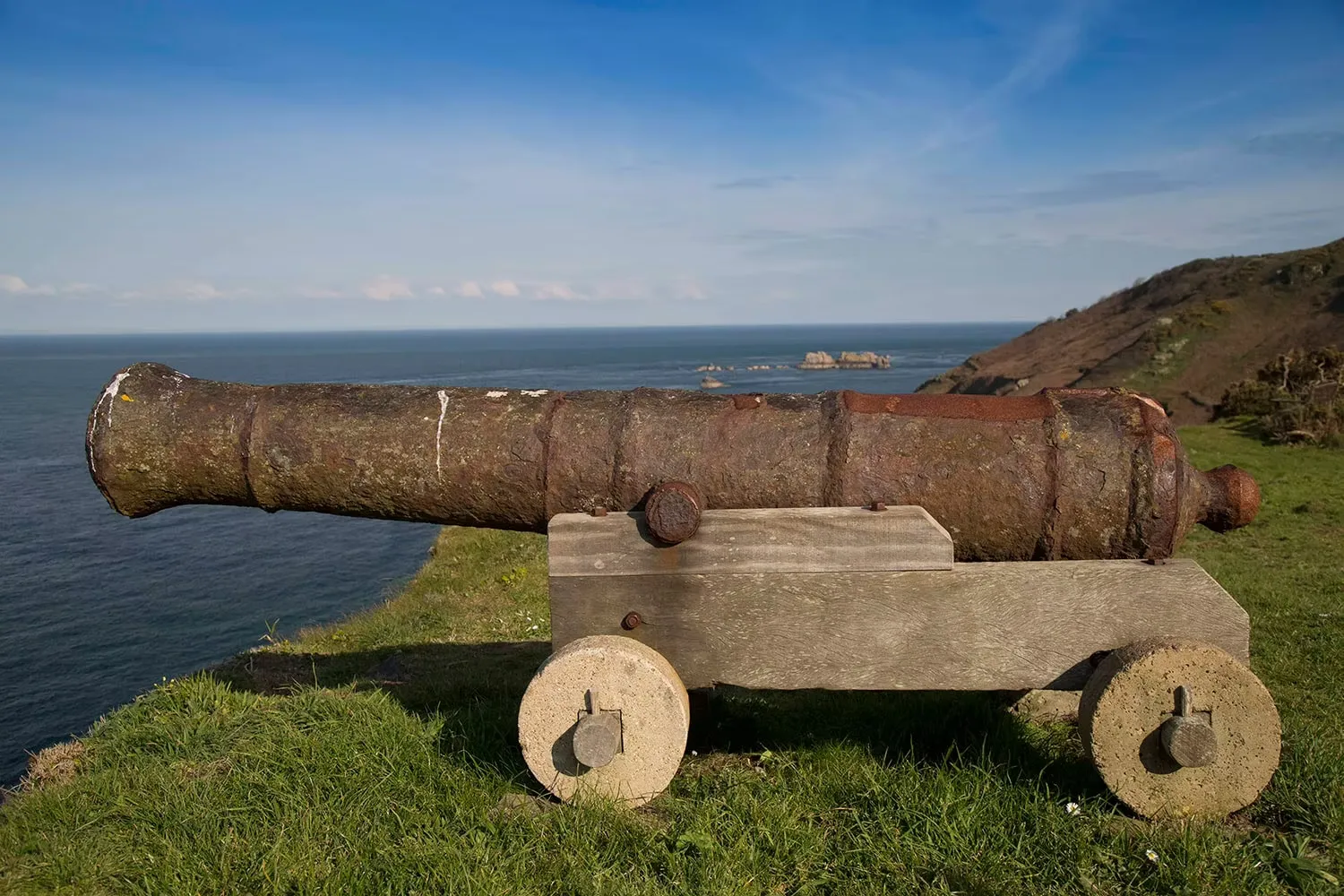
A concise history of Sark, from Saint Magloire and pirates to Helier de Carteret, the 40 families of 1565 and the island's unusual constitution.
Sark (Sercq in French, Cerq in the old Norman tongue) sits in the south-western Channel, a small island off the Normandy coast and part of the Bailiwick of Guernsey. For somewhere barely three and a half miles long, it has an improbably long memory.
Read the full story -
An island year, 1626
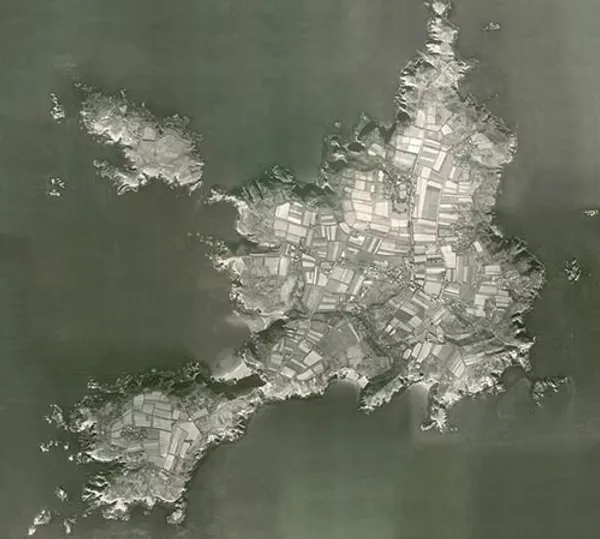
What Sark's surviving records reveal about one year of work, law, fear and dependence on the sea.
It was a small, tightly organised community exposed to weather, disease, hunger and the sea. The surviving court minutes, church register and notebooks from the period show an island where almost nothing was private and very little could be taken for granted.
Read the full story -
Before the witch trials: dancing, scandal and the law on Sark in 1626
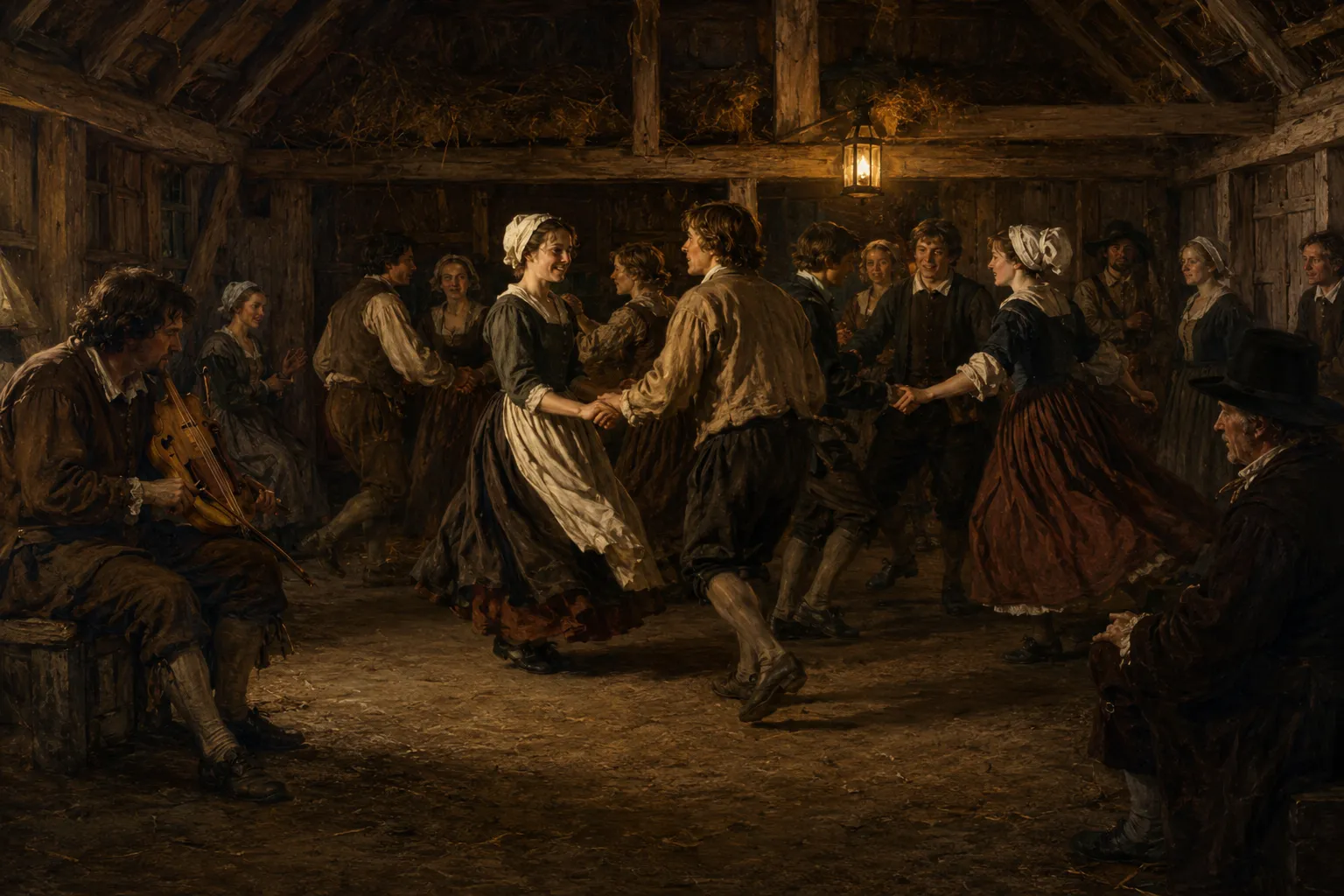
Court records from 1626 and 1627 preserve Sark prosecutions for dancing, a paternity dispute and the case of Sara Vibert and Amos Vaudin.
At Pentecost in 1626, six young women were convicted of dancing contrary to court orders. The dancing took place in Marie Rogier's barn at Le Fort.
Read the full story -
The smallest prison in the world
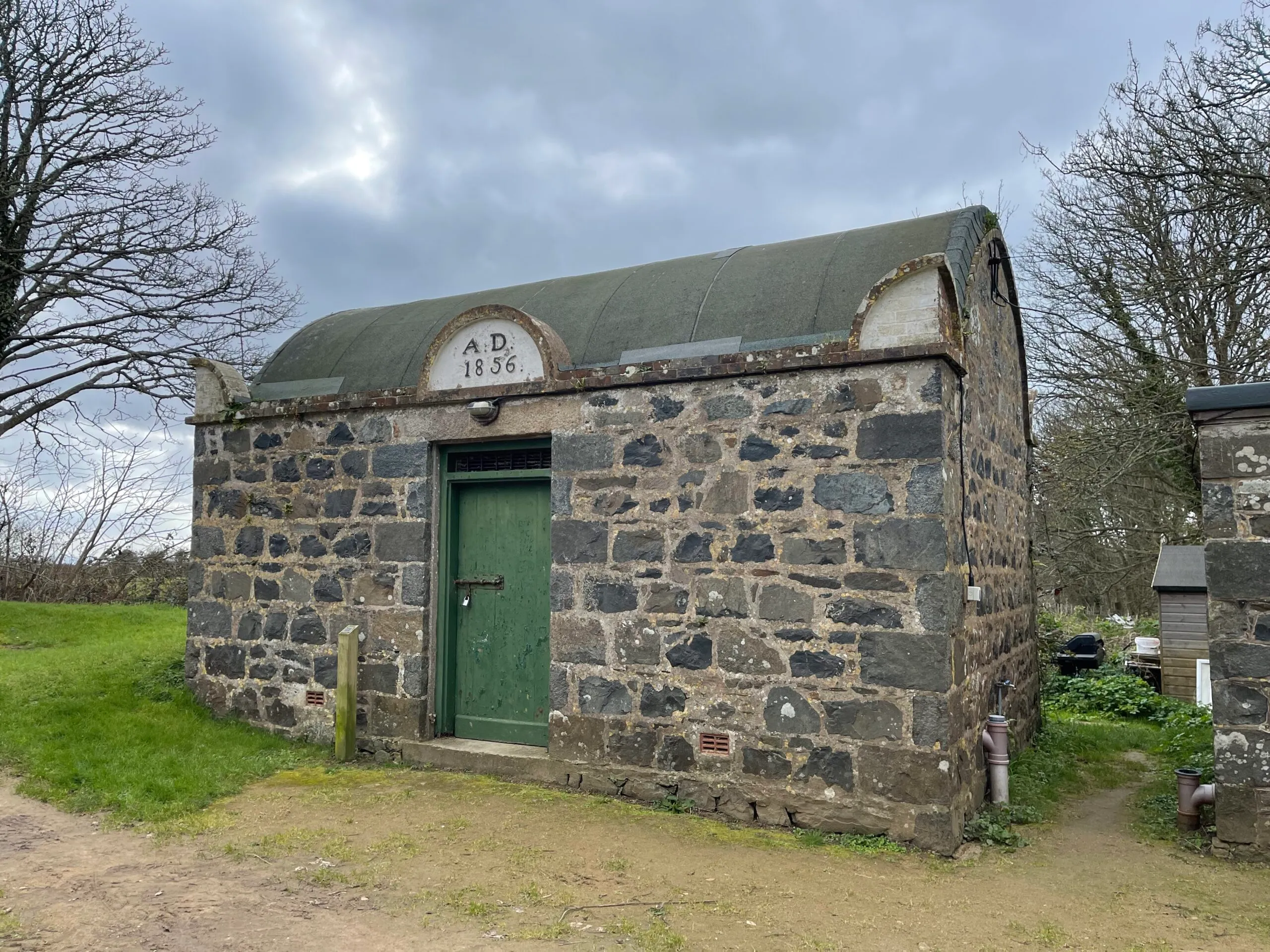
The size of a garden shed: two cells and a barrel roof. Built in 1856, described until recently as the smallest working prison in the world.
It is the size of a garden shed, it has two cells, and until recently it was described as the smallest working prison in the world.
Read the full story -
The one-man invasion of Sark
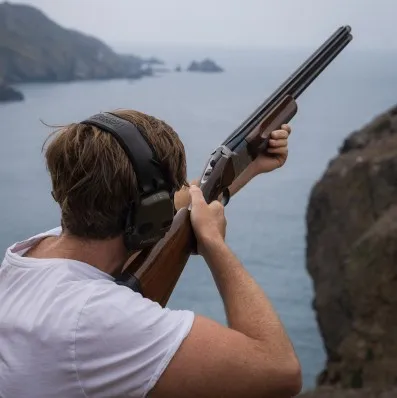
In 1990, André Gardes, a French physicist, rowed to Sark carrying a weapon and a claim to be its rightful heir. The Constable disarmed him.
In 1990, a French physicist named André Gardes rowed across to Sark in army fatigues, carrying an automatic weapon. He believed he was the rightful heir to Hélier de Carteret and had come to claim the island as his own.
Read the full story
The Occupation 6 stories
-
Sark in the Second World War

Five years of German occupation on an island of a few hundred people. Operation Basalt, the mines, the deportations, and liberation on 10 May 1945.
The occupation of Sark did not happen beyond the island's ordinary life; it happened inside it.
Read the full story -
When the tea ran out
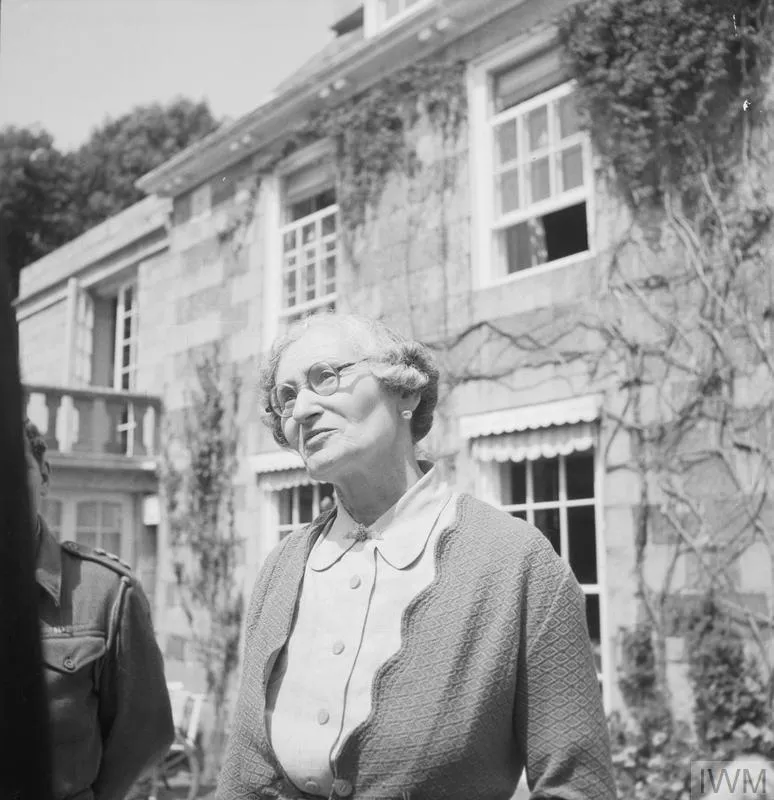
How Sark households met wartime shortages with leaf tea, root-vegetable coffee, reused cloth and other substitutes during the German occupation.
By the end of July 1941, people on Sark were drying blackberry and rose leaves to make tea.
Read the full story -
The German doctor murdered on Sark
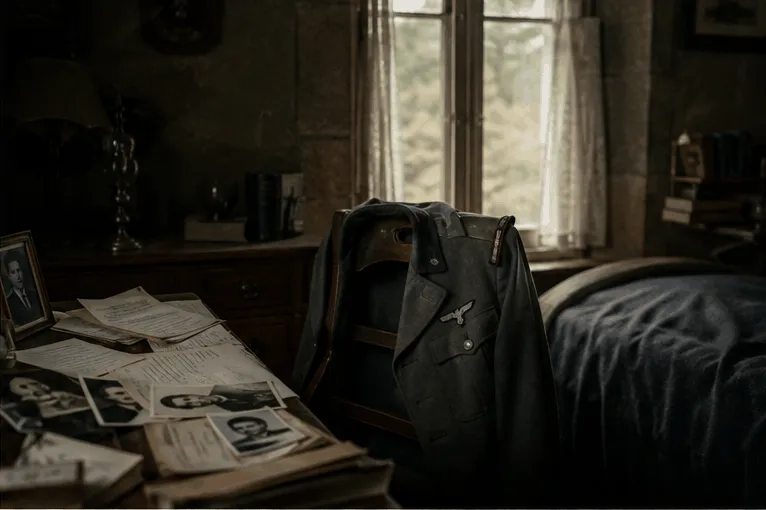
German medical officer August Goebel was murdered on Sark in 1942. German investigators searched the island before Metz was convicted and executed.
On the morning of 29 April 1942, German medical officer Dr August Goebel was found dead in his bedroom at Vieux Clos on Sark.
Read the full story -
Love Across the Divide

German soldiers and Sark residents played football and attended dances during the occupation, while some islanders also learnt German.
German soldiers and Sark residents played football together and attended dances and other social events. Some islanders learnt German.
Read the full story -
The Sark woman who married a German soldier
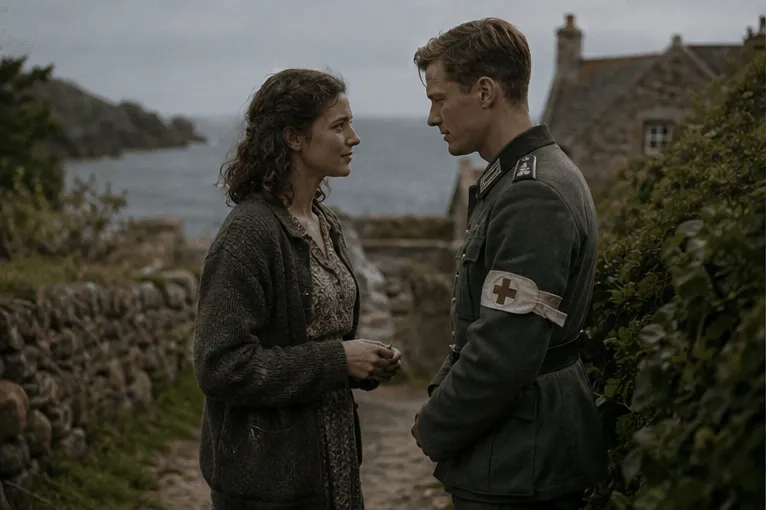
Phyllis Baker and Werner Rang met on occupied Sark in 1943, later corresponded while Werner was a POW, and married in 1948.
He was serving in the German army as a medical orderly. She was a 19-year-old Sark resident living under German occupation.
Read the full story -
A walk through what the Occupation left behind
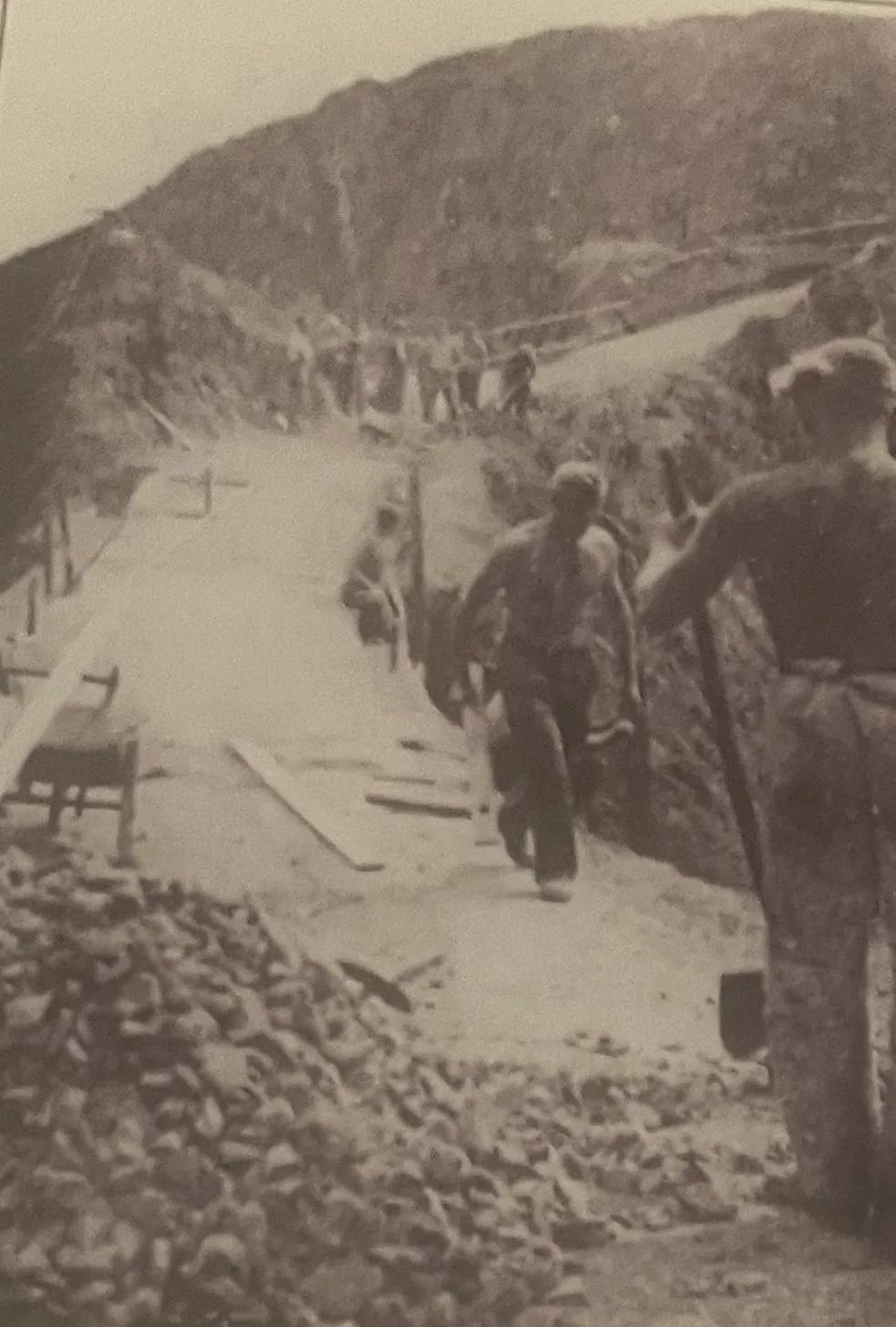
Ten ordinary Sark places, a harbour, a hotel site, a graveyard, a field, where the island's Occupation history is still visible.
Sark's Occupation history sits inside ordinary places, a harbour, a bank site, a post office, a field. This is a walk through ten of them, not in the order the events themselves happened in.
Read the full story
Witchcraft and mystery 5 stories
-
What counted as witchcraft evidence?
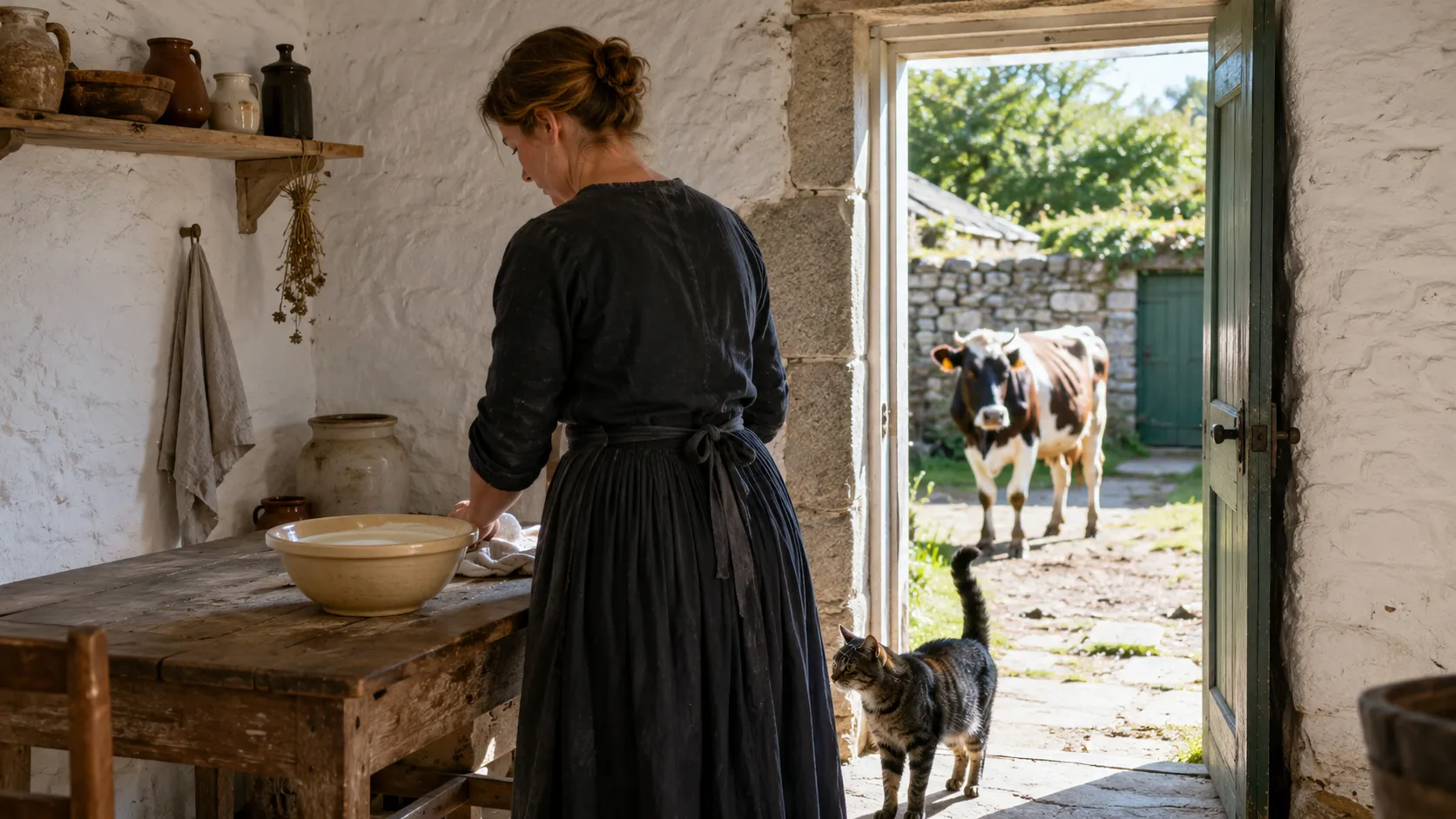
Guernsey's 1617 witchcraft accusations began with ordinary misfortune: sickness, dying livestock, failed milk, lice and objects believed to be charms.
The Guernsey witchcraft case of 1617 did not begin with a horned Devil or women flying through the air.
Read the full story -
Sark folklore, and the stories tied to the land
Sark's folklore is attached to real lanes, caves, chimneys and cliffs. The Tchico, the pouquelayes and the stories that still change how visitors see it.
Sark's folklore is attached to places you can still walk past: a black hound at La Coupée, pixie-like creatures beneath standing stones and inside caves, witches on chimney ledges, and a ghost at La Seigneurie linked to a real drowning off the northern coast.
Read the full story -
Les Veilles: how Sark's stories survived
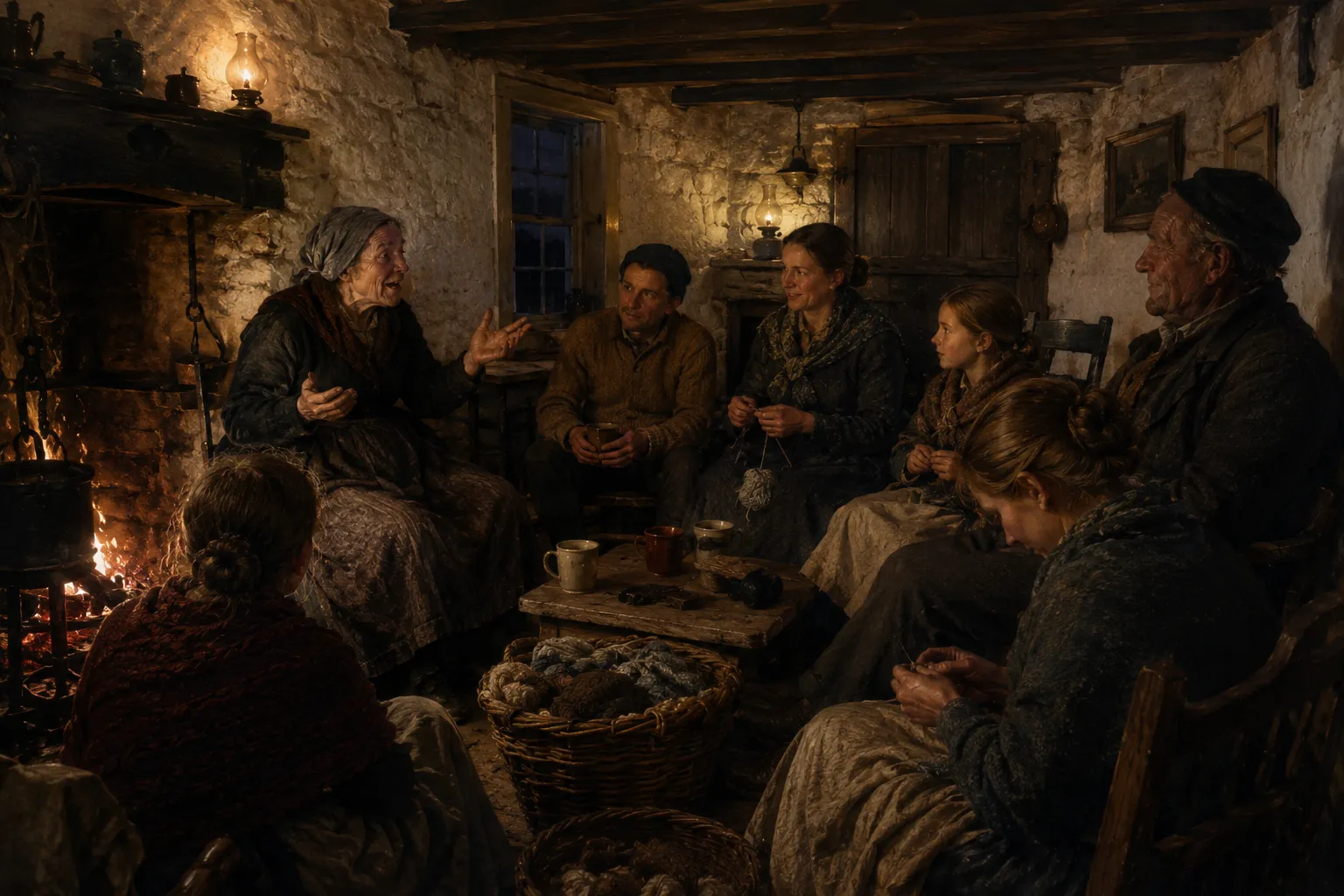
Les Veilles were Sark evening gatherings where islanders knitted, talked and passed on stories of ghosts, pirates and witchcraft.
It was a bench adapted from a firewood box and covered with a straw-filled sack.
Read the full story -
The book that would not stay gone
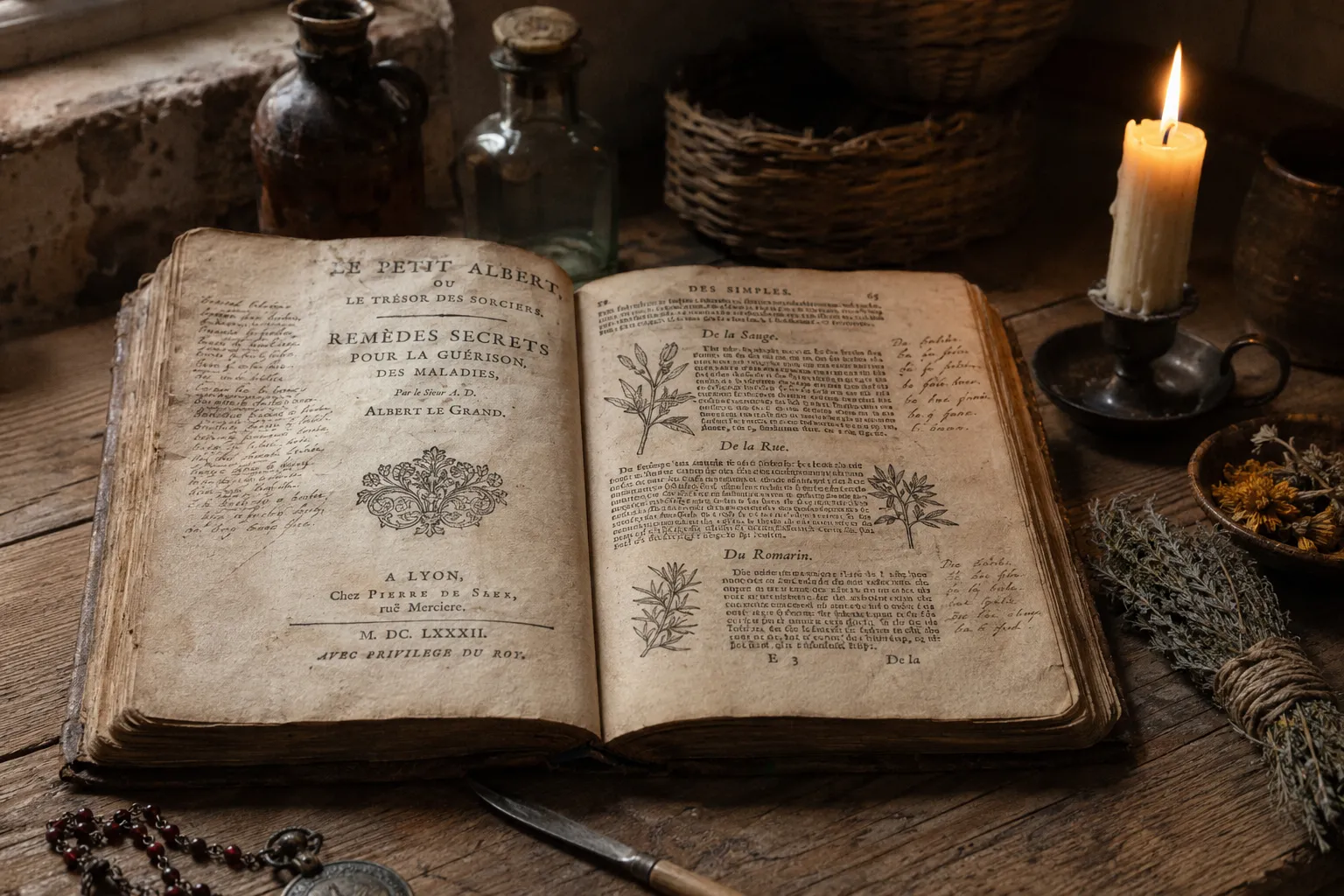
Le Grand Albert and Le Petit Albert carry an uncanny reputation: books that could be burned, buried or thrown into the sea, and still return.
These two books, Le Grand Albert and Le Petit Albert, share that reputation in Sark folklore: not that they were owned, but that they could not be got rid of.
Read the full story -
WITCH: Woman in Total Command of Herself?
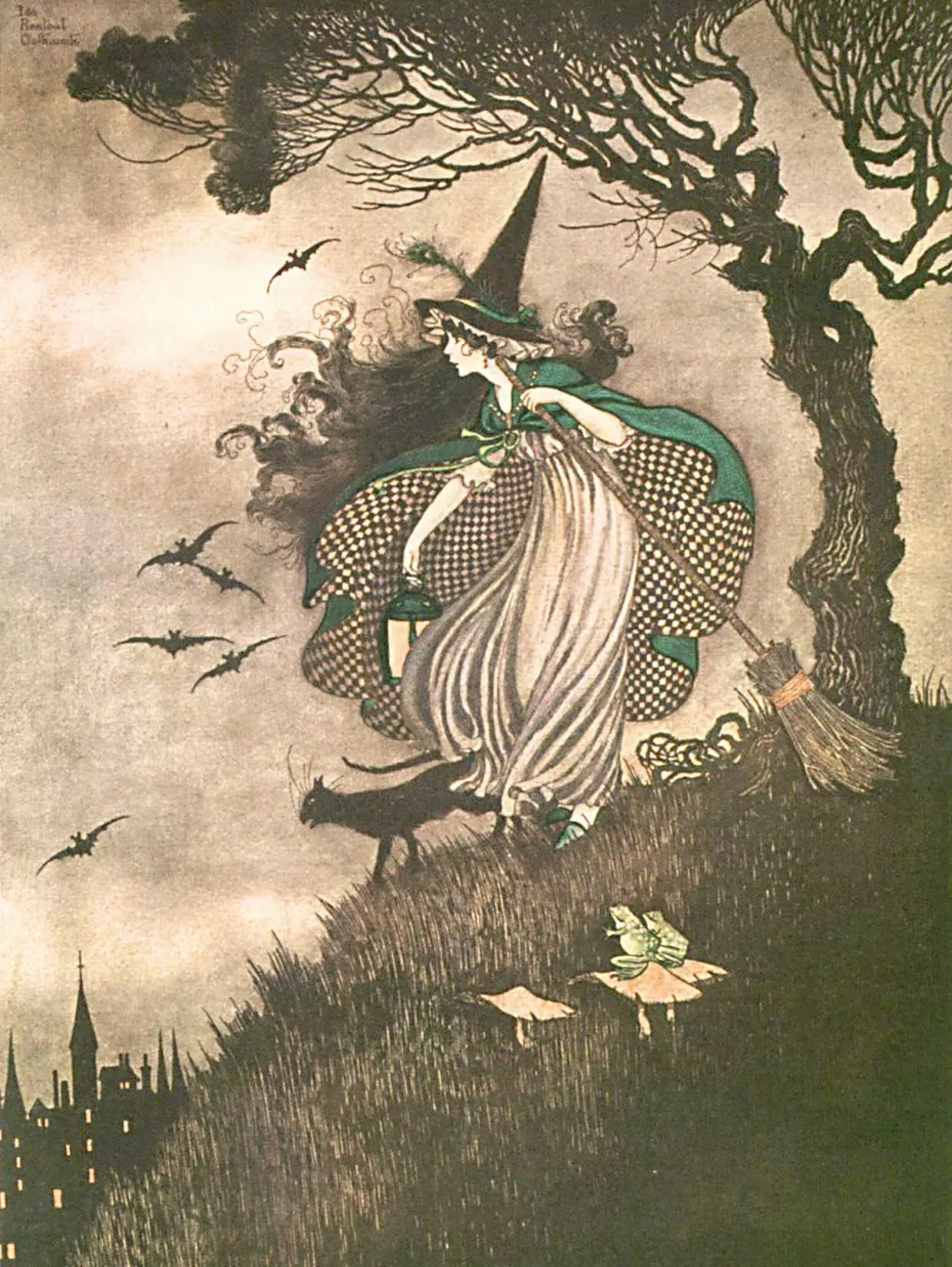
How an accusation that once carried a death sentence became a chosen identity, through Jersey records and the modern revival.
For the people brought before the Channel Islands' early modern courts, “witch” was an accusation made by somebody else. The accused did not need to accept the name. An accusation could lead to imprisonment or execution. In the Guernsey jurisdiction, it could also lead to torture.
Read the full story
Ghosts and the dark 2 stories
-
Sark's fairies carried their heads under their arms
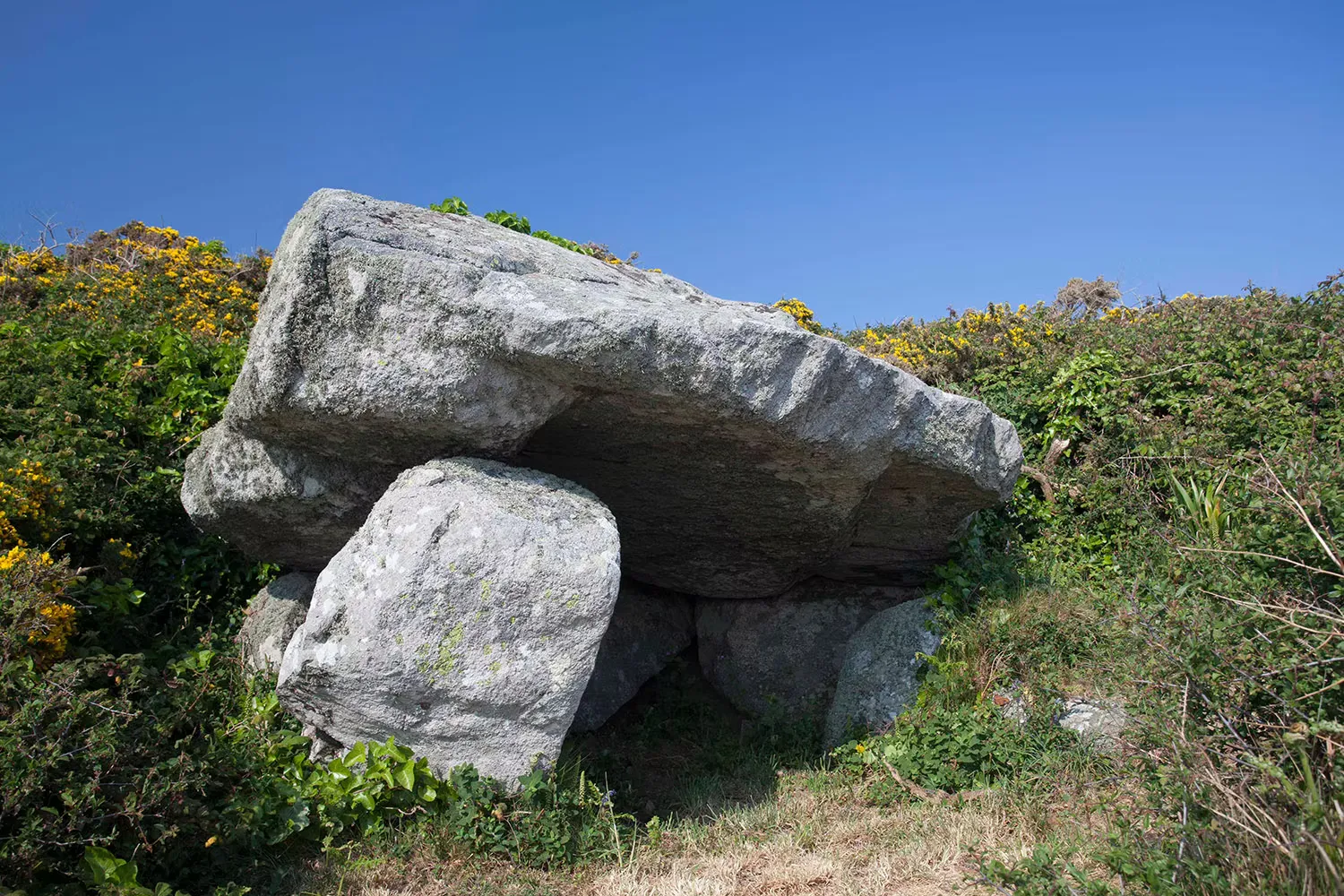
Sark's fairy folk were said to carry their heads under their arms and live beneath standing stones, as much a story about the island as its fairies.
Sark's fairy folk could carry their heads under their arms, a characteristic that made them difficult to confuse with anybody else.
Read the full story -
Two deaths on Sark in 1933
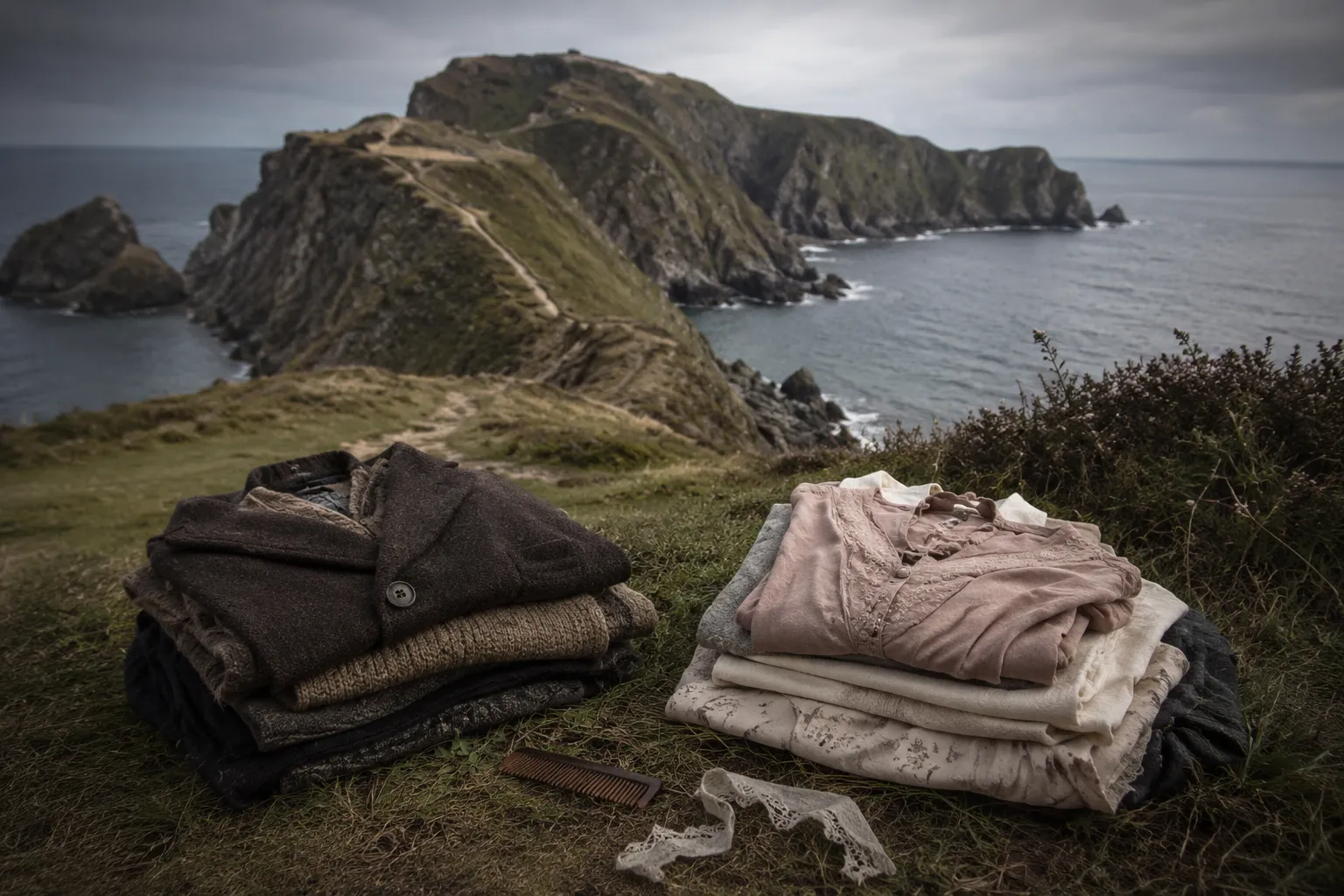
Two deaths on Sark in 1933. Beatrice Britter and Leslie Bradley travelled together and were found dead. The evidence does not establish what happened.
In 1933 Beatrice Britter and Leslie Bradley travelled to Sark together. Both were later found dead, their bodies recovered separately.
Read the full story
Sark Island 6 stories
-
Coming to Sark
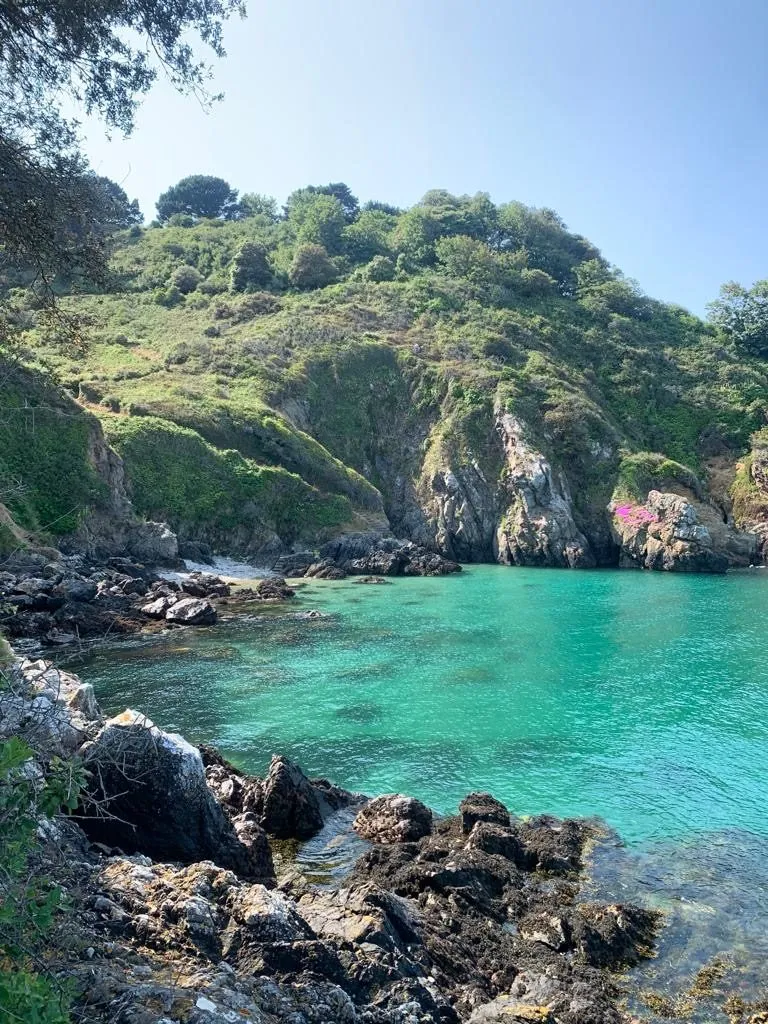
What is Sark really like? Nadia on wildflower slopes, forty miles of coastline, wild swimming and the island that cures a deeper kind of tired.
Isn't that the one with no cars? How many people live on the Island? What do you actually do there?
Read the full story -
Why a day isn't enough
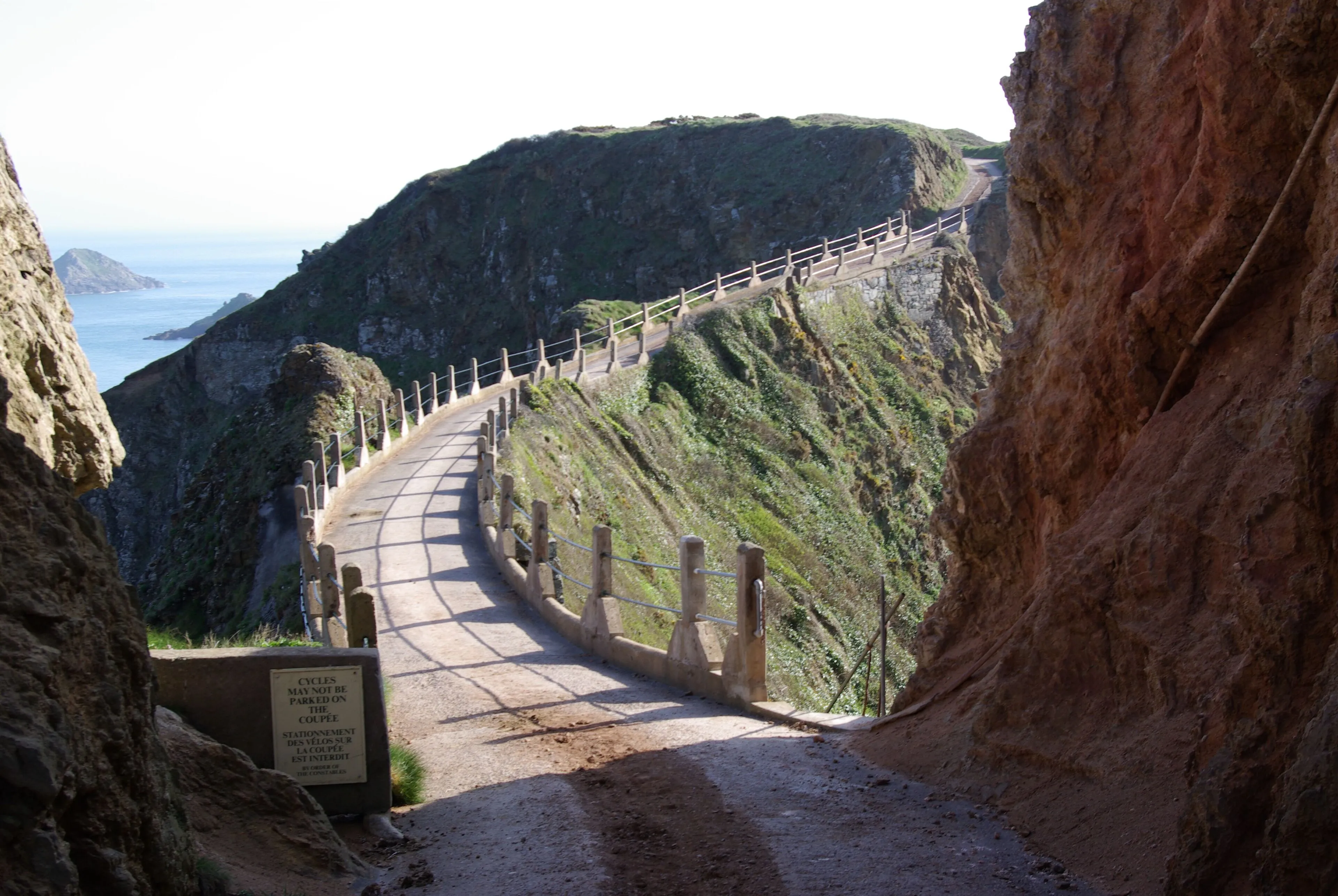
Sark is a wonderful day trip, but the island changes once the last boat leaves. Staying overnight reveals the coast, the dark and the pace a day misses.
Many people think they can give Sark an afternoon. They walk a lane, photograph the cliffs, and catch the last boat back with the nagging feeling they have missed most of the island entirely.
Read the full story -
How big is Sark?
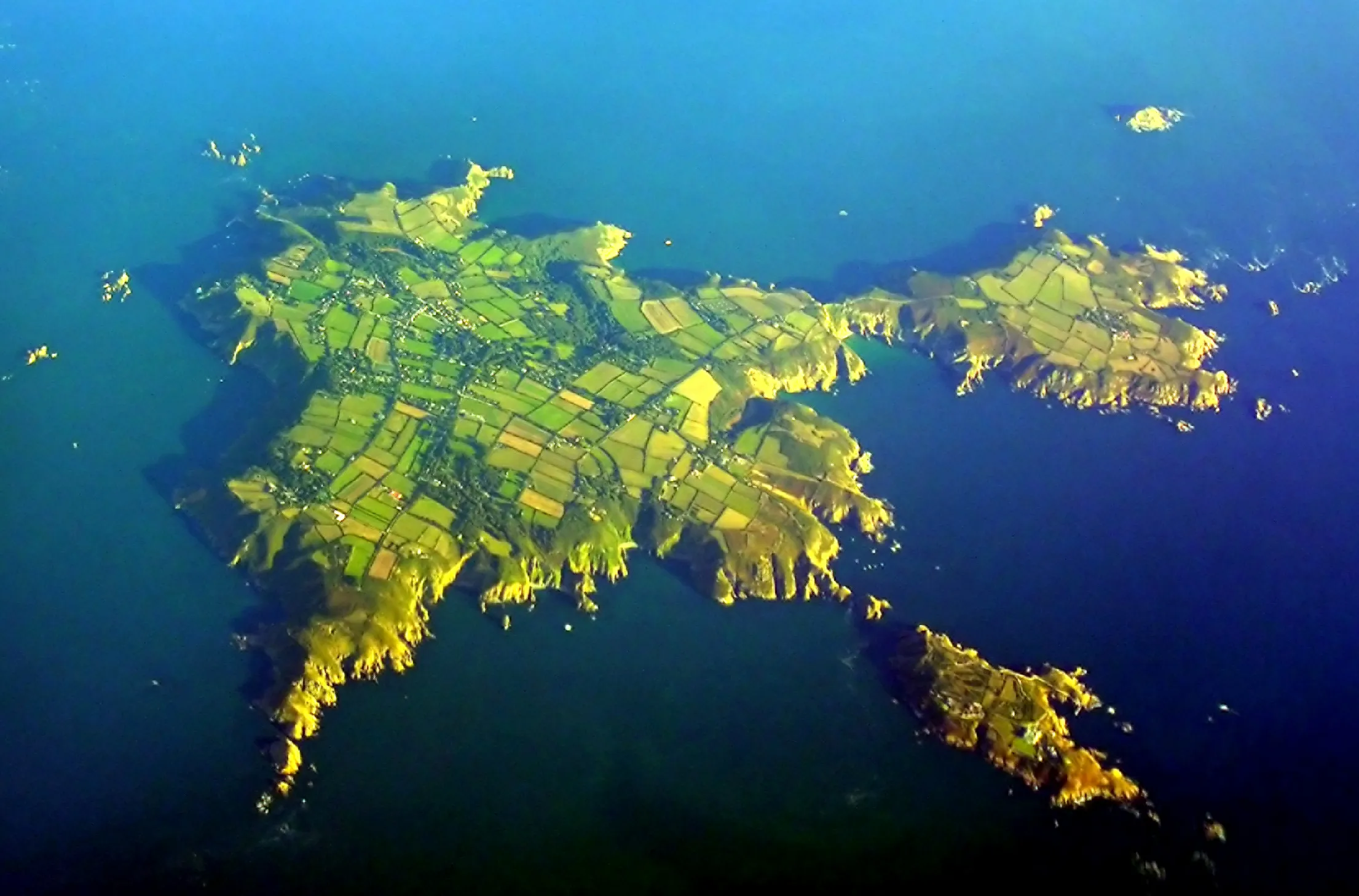
Sark is around three and a half miles long by one and a half wide, with about forty miles of coastline. Why it feels larger underfoot than maps suggest.
Sark is around three and a half miles long and one and a half miles wide. It also has around forty miles of coastline, folded into bays, headlands and cliffs within that small outline. That is why the island feels larger underfoot than its dimensions suggest.
Read the full story -
Is Sark a country?
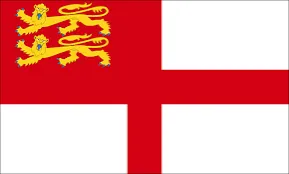
Sark is not a country and it is not exactly part of one. What it actually is, and why the answer takes a paragraph rather than a word.
Sark is a self governing jurisdiction within the Bailiwick of Guernsey, which is a British Crown Dependency, which is not part of the United Kingdom.
Read the full story -
How many people live on the island of Sark?
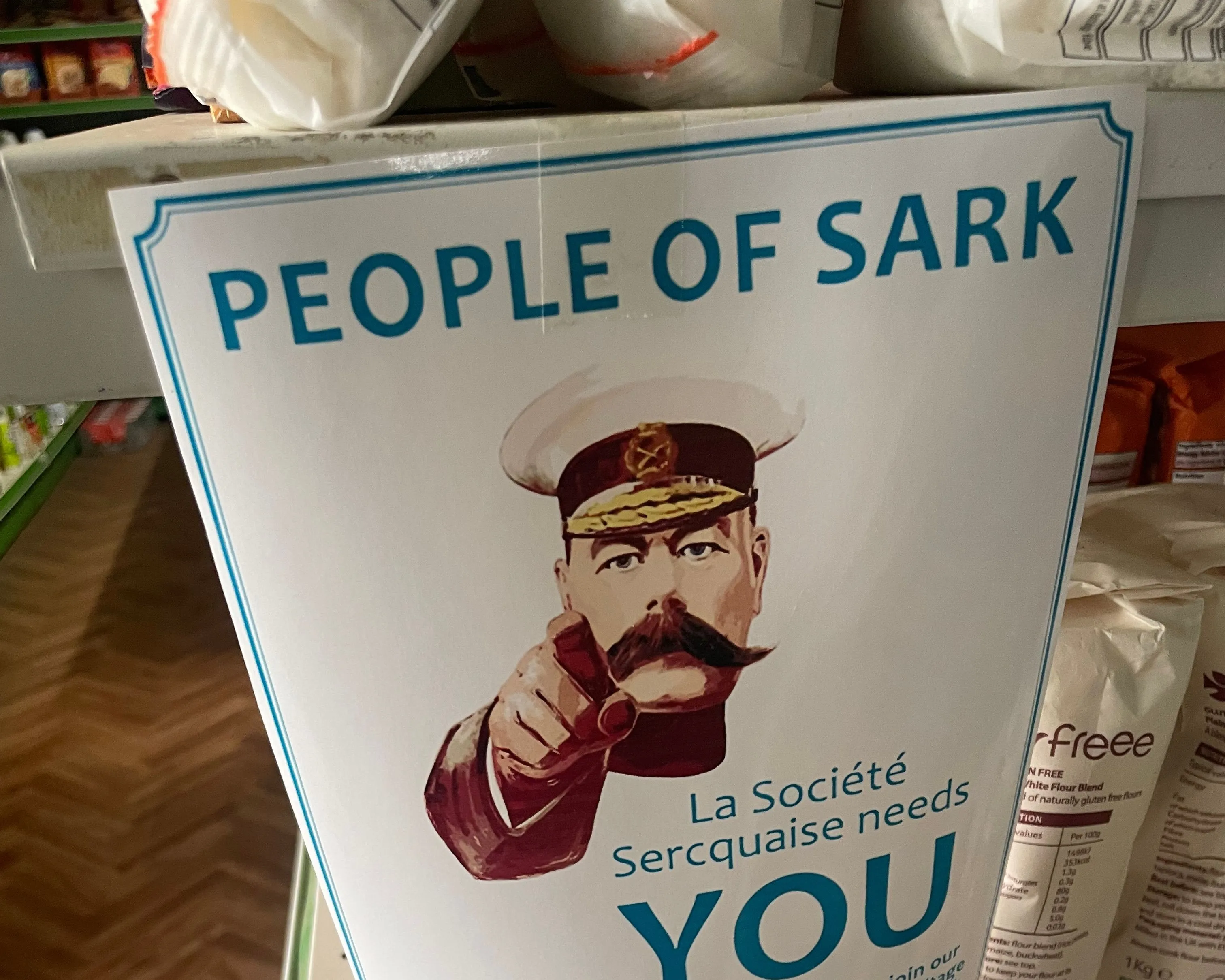
Sark's 2022 census counted 562 residents. See how the island's population changes through the year and what a community this small sustains.
The exact number is less useful than the scale. Chief Pleas' most recent census, in 2022, counted 562 residents, the island's first census in fifty years. From Easter to October, seasonal workers and visitors increase the number of people on the island considerably.
Read the full story -
The Enya album named after Sark's night sky

In 2015 Enya released an album called Dark Sky Island, its title and title track inspired by a poem about Sark and its 2011 Dark Sky Island designation.
In 2015, the Irish musician Enya released her eighth studio album. She called it Dark Sky Island, and the name is Sark's, not a metaphor she invented.
Read the full story
Pirates and smugglers 2 stories
-
Eustace the Monk, the pirate who used Sark as his base
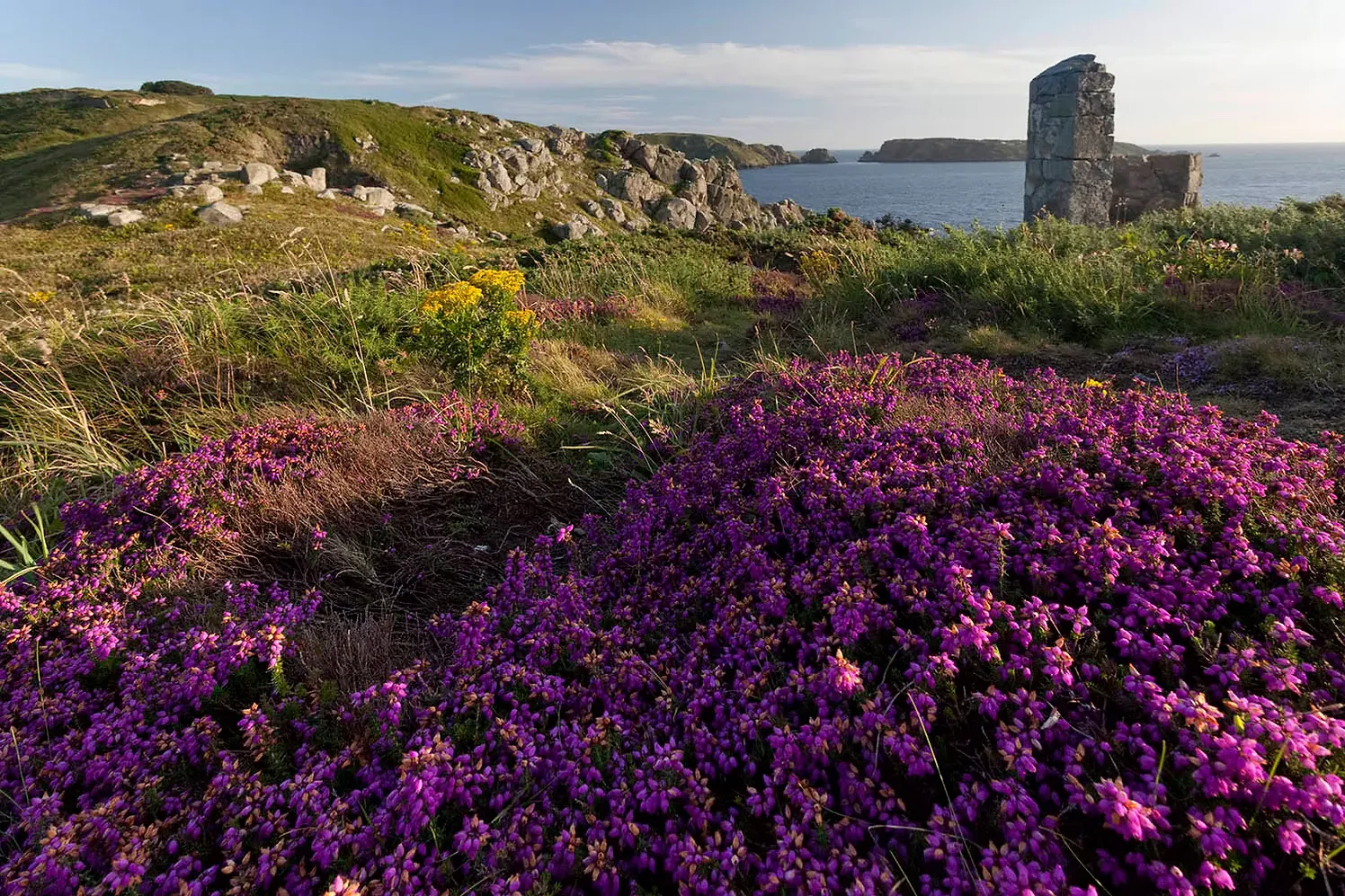
Eustace the Monk used Sark as a pirate base in the early 1200s. His career moved between outlawry, royal service, betrayal and a violent death.
His name was Eustace the Monk, and for part of the early thirteenth century he used this small island in the Channel as a base from which to attack merchant shipping.
Read the full story -
Sark's Coffin Legend
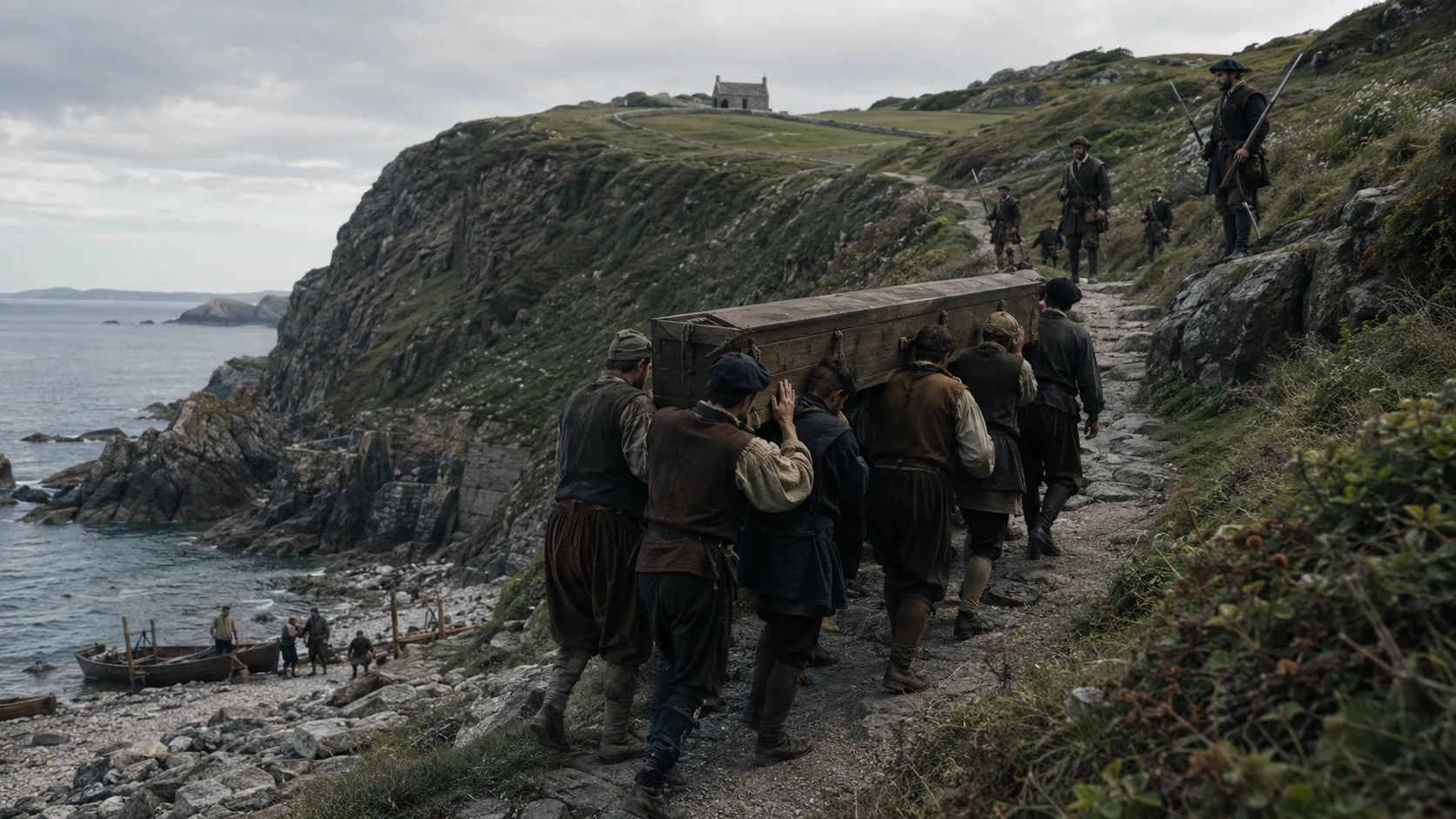
Sark's coffin legend tells of men who smuggled weapons ashore inside a coffin. Raleigh recorded a different version. Here is what the sources actually say.
The soldiers on the island agreed, but only after searching the burial party and making sure that none of the men carried a weapon.
Read the full story
Staying on Sark 6 stories
-
Can you stay on Sark?
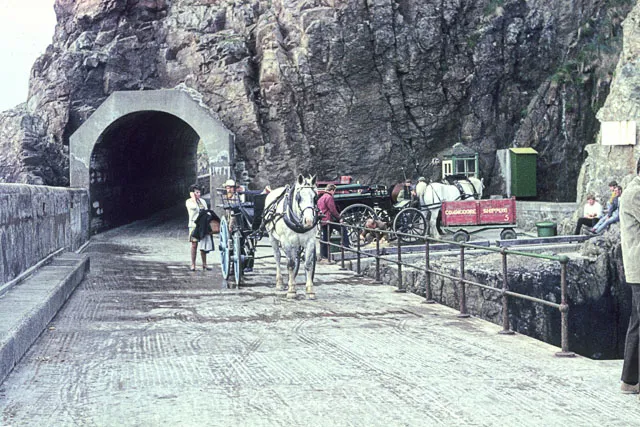
Sark hotels, B&Bs, guest houses, self-catering, camping and glamping. What each kind of stay offers, and why staying overnight changes the island.
Sark has hotels, guest houses, self-catering properties, camping and glamping. You can come for a night, a weekend or longer.
Read the full story -
A self-catering week on Sark
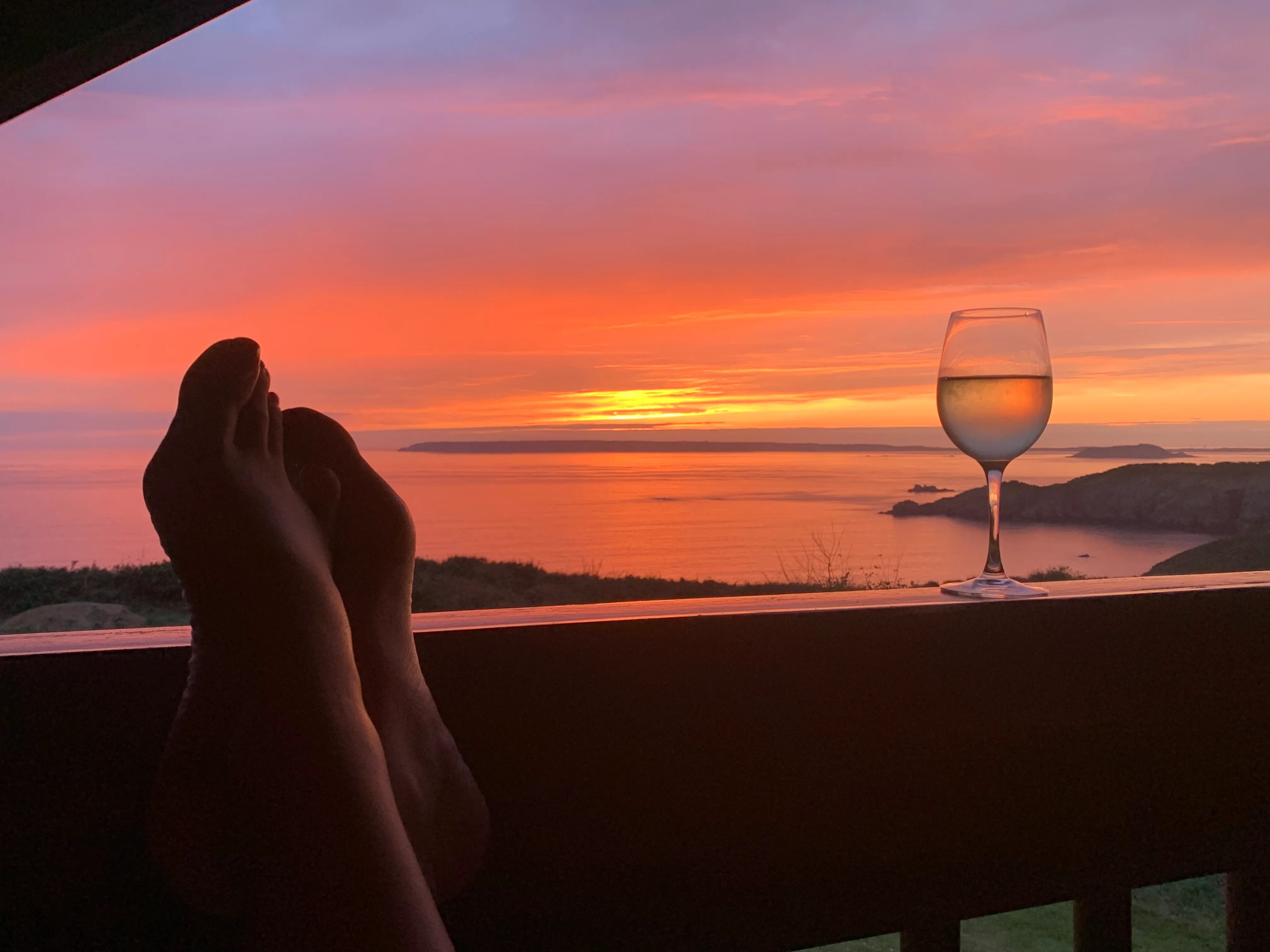
What a self-catering week on Sark is really like, from groceries and bicycles to the decisions that freedom still leaves you to make.
A self-catering week on Sark means the days are genuinely yours: what you eat, when you eat it, when you leave the cottage, all of it left to you rather than a schedule.
Read the full story -
Camping on Sark
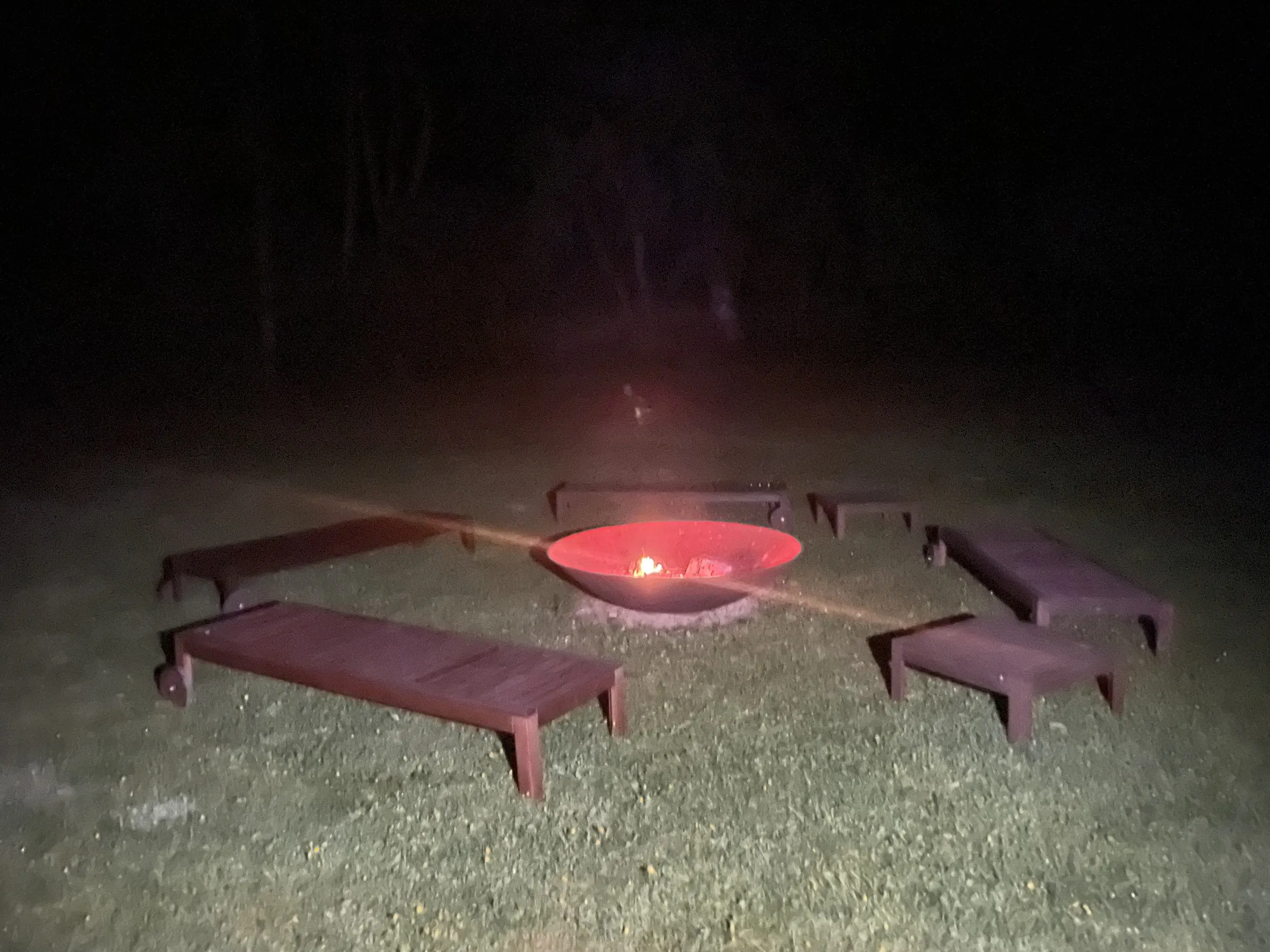
Camping on Sark puts you closer to the island's weather, darkness and morning light. What the experience is like and what to bring.
Sark is a plateau, the highest land in the Channel Islands, with the sea on every side of it.
Read the full story -
Is Sark expensive?
Sark is not a cheap place to reach, but cost and value are not the same question. What you pay for, what the island gives you, and when it is worth it.
The better question is whether what you receive in return is worth the cost of getting there and staying there.
Read the full story -
Eating and drinking on Sark
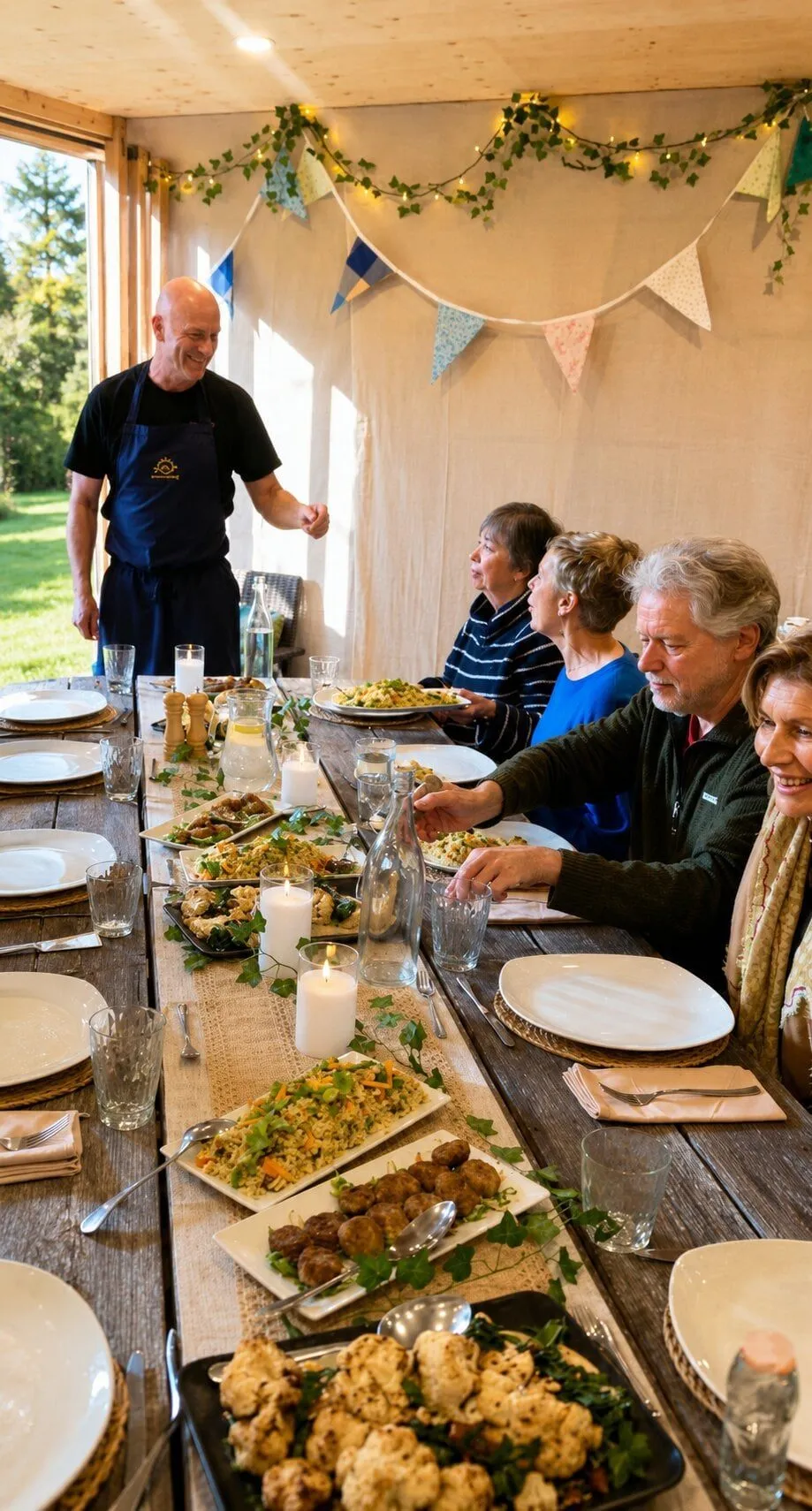
Where to eat and drink on Sark: restaurants, pubs, cafés, tea gardens, local produce, self-catering and what is worth booking ahead.
Sark has restaurants, pubs, cafes, tea gardens and small shops whose offerings change with the season.
Read the full story -
Visiting Sark alone
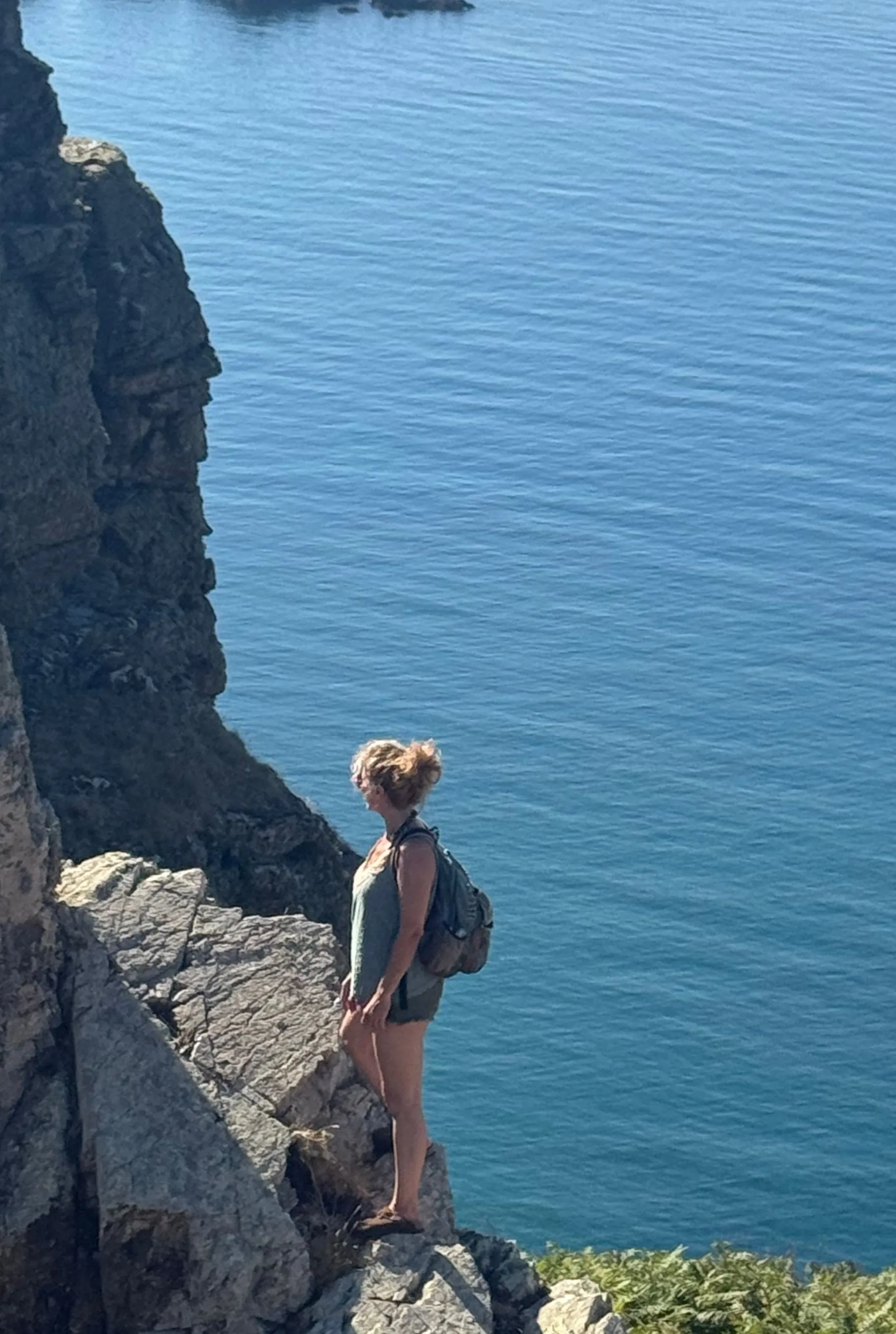
One island, no cars, and lanes short enough that you cannot get badly lost. What solo travel on Sark actually involves, including the evenings.
The island is small enough to understand quickly, interesting enough to fill several days and sociable without forcing company on you.
Read the full story
Norman Sark 4 stories
-
Sark and 1,000 Years of Norman History
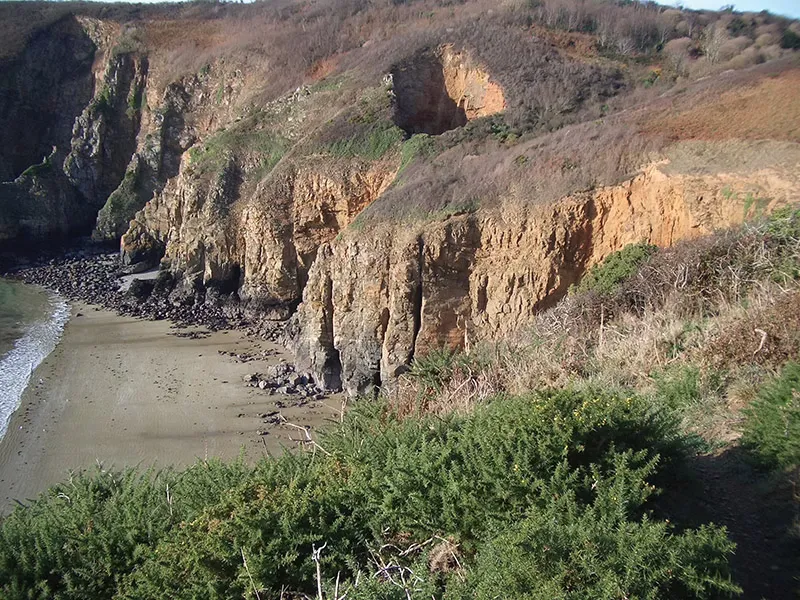
MILLENIUM 2027 puts Sark's Norman inheritance in focus, from the 1565 settlement and Clameur de Haro to Sercquiais and the island flag.
MILLENIUM 2027 is the European Year of the Normans. The programme marks 1,000 years since the birth of William the Conqueror.
Read the full story -
40 Men and 40 Muskets
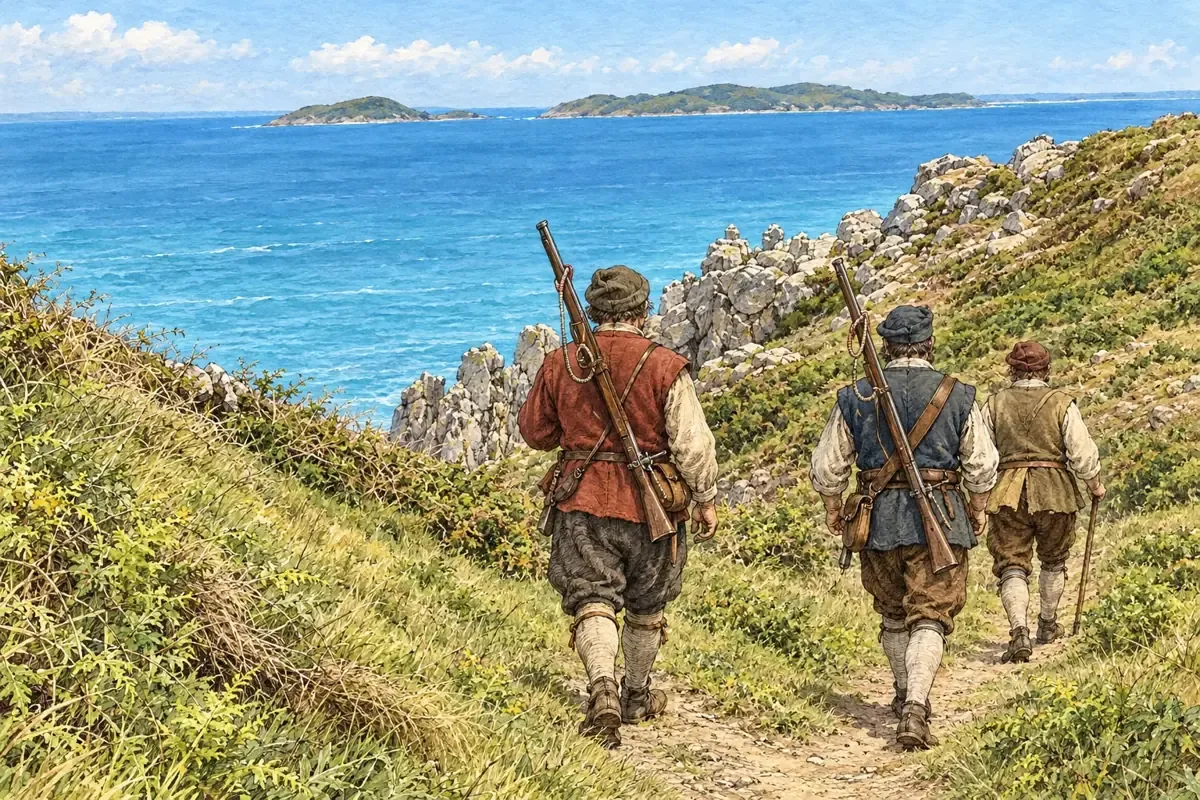
How Sark's 1565 defence settlement created its tenements, and how Beauregard, Dos d'Ane and other holdings changed over the centuries.
In 1565, a holding of land on Sark came with a defence obligation. The tenant had to maintain a house and provide an armed man. Fields supported the household; the household helped defend the island.
Read the full story -
The Women of Sark's 1565 Settlement
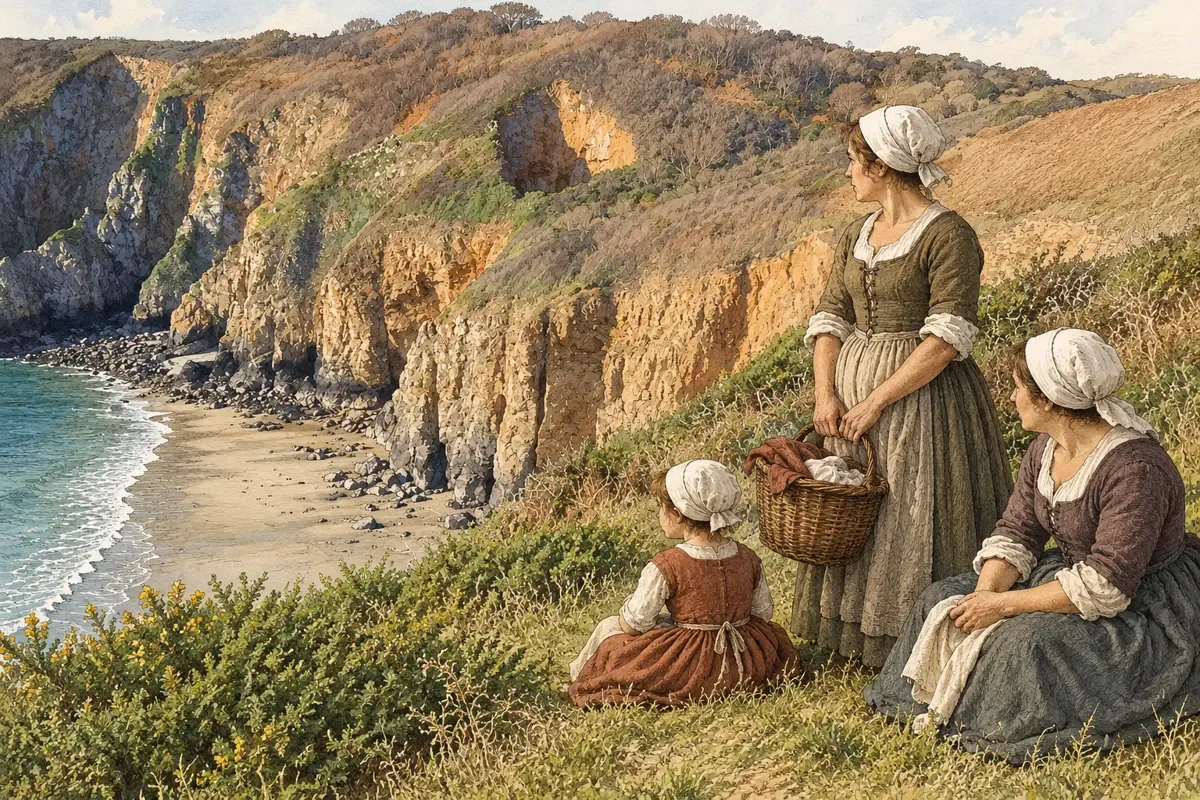
Meet the women of Sark's early settlement: a midwife, an heiress, refugee families and a widow raising eight children.
The familiar story is forty men and forty muskets: the tenant-holders of Sark's new tenements, each tied to the defence of the island.
Read the full story -
The island that still speaks its own language
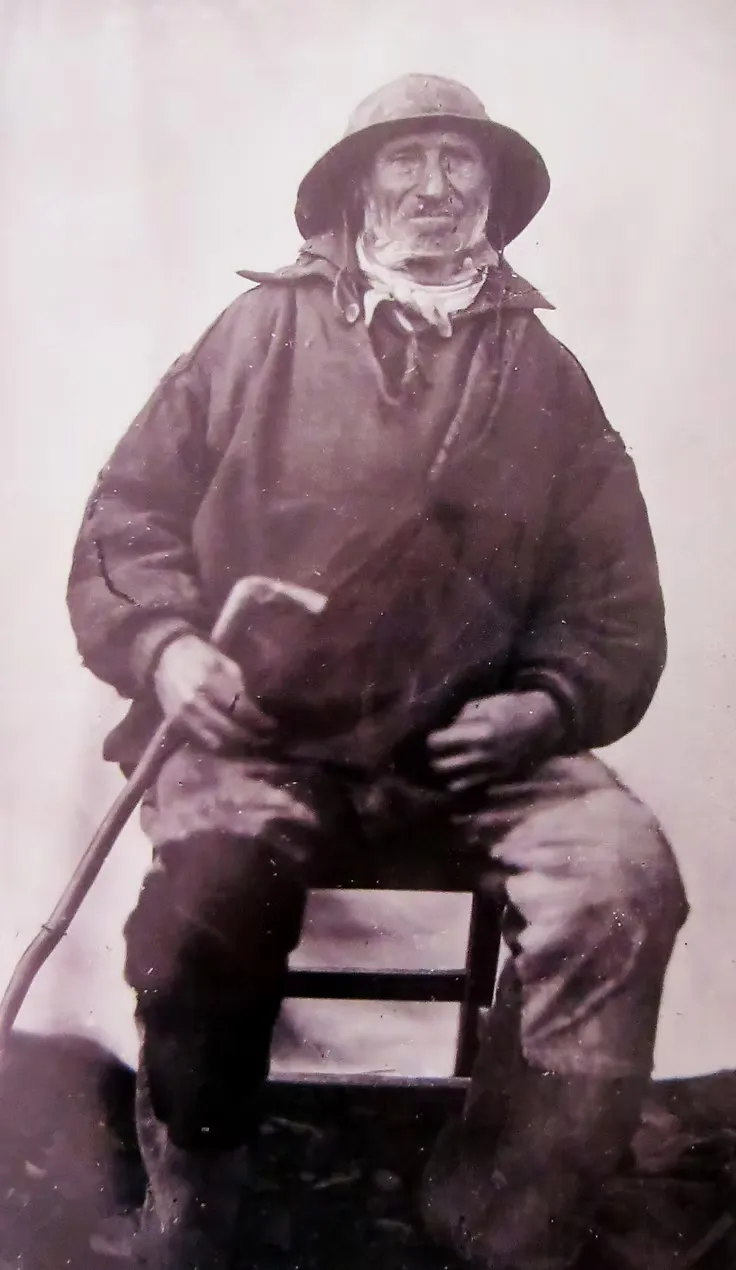
Sark has its own Norman language, Sertchais or Sarkese. A prince wrote it down from fishermen in 1862, and it is still being recorded today.
Sark has its own language. It has answered to several names, Sertchais, Sercquiaise, "Sark patois", or simply Sarkese, and it is a form of Norman French, the island's own.
Read the full story
Literary Sark 1 story
-
Victor Hugo, Sark and The Toilers of the Sea
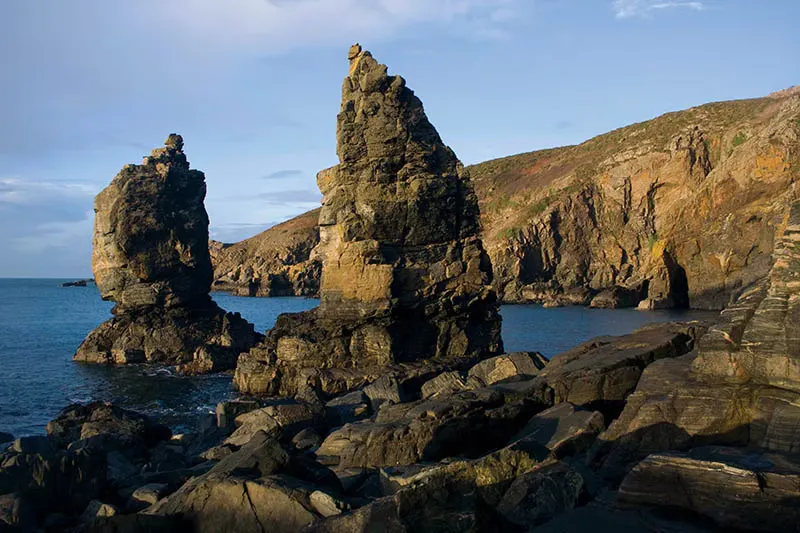
Victor Hugo visited Sark in 1857, before The Toilers of the Sea appeared: the visit, the novel, and its 160th anniversary in 2026.
Victor Hugo wrote The Toilers of the Sea during his exile in the Channel Islands. He visited Sark in June 1857. The novel appeared in 1866, nine years later.
Read the full story
Restoration 15 stories
-
Why some holidays leave you more tired than when you arrived
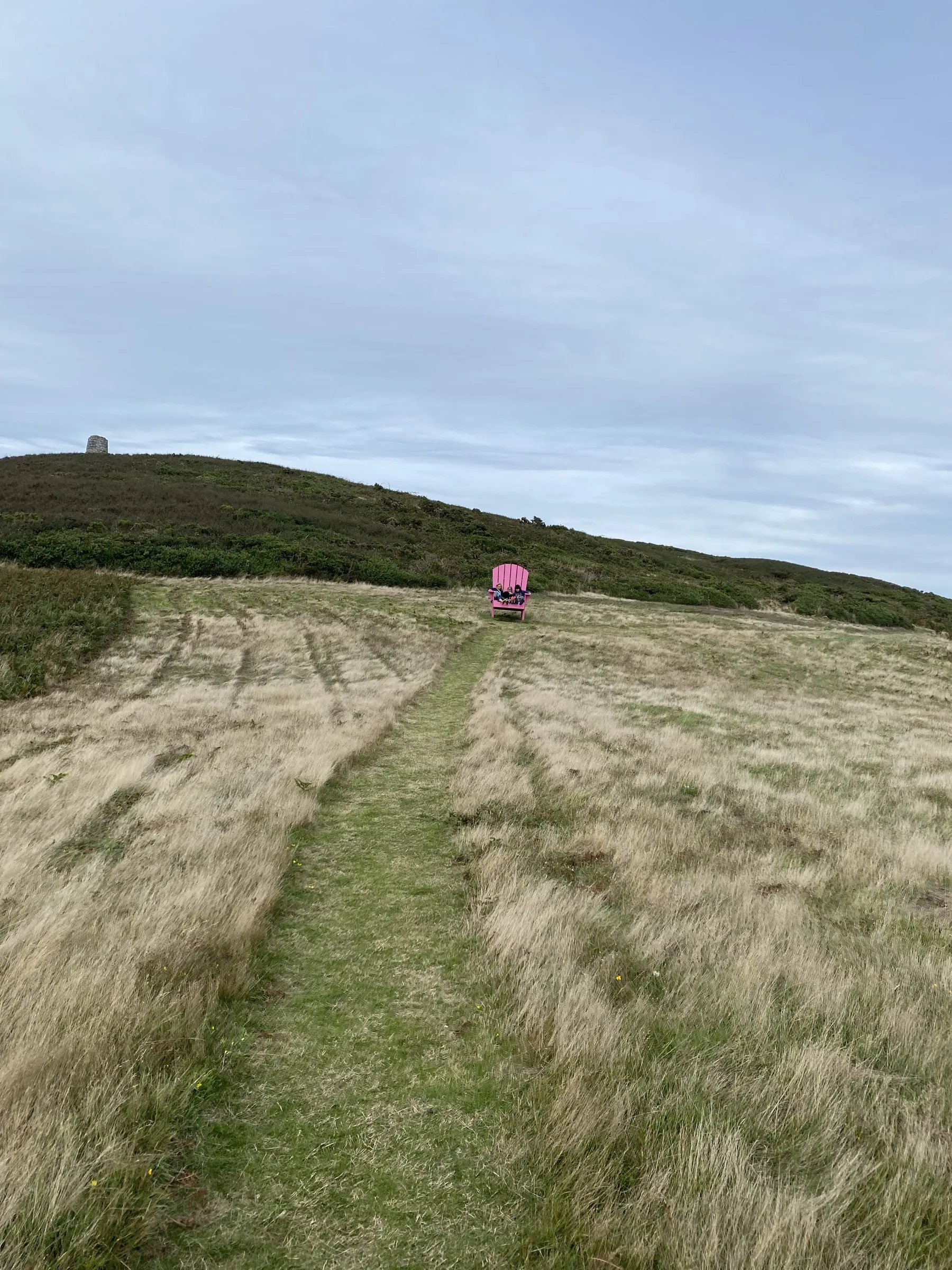
A holiday can change the location without changing the pressure. Here is why that happens and what a genuinely restorative trip does differently.
A holiday is supposed to be a break. Yet plenty of people return home needing another one.
Read the full story -
I need a break, but I do not want another busy holiday
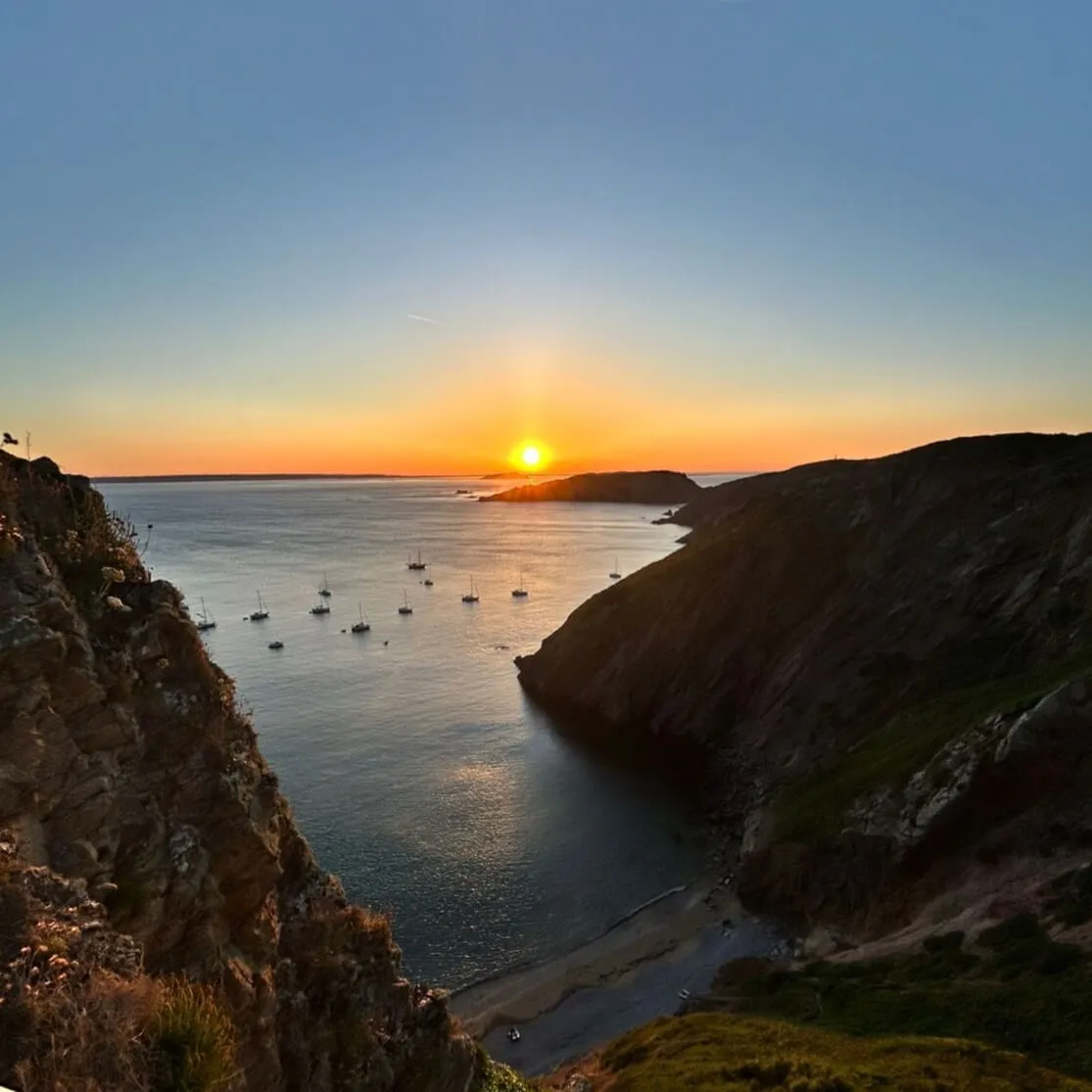
Some holidays change the scenery without changing the pace. Here is what makes a restorative week different, and why Sark gives it room to work.
You book the holiday because you are tired, then spend the weeks before it comparing flights, choosing restaurants, arranging transport and building an itinerary. Once you arrive, there is pressure to see everything, use every hour well and make the trip worth the money.
Read the full story -
Slow travel on Sark
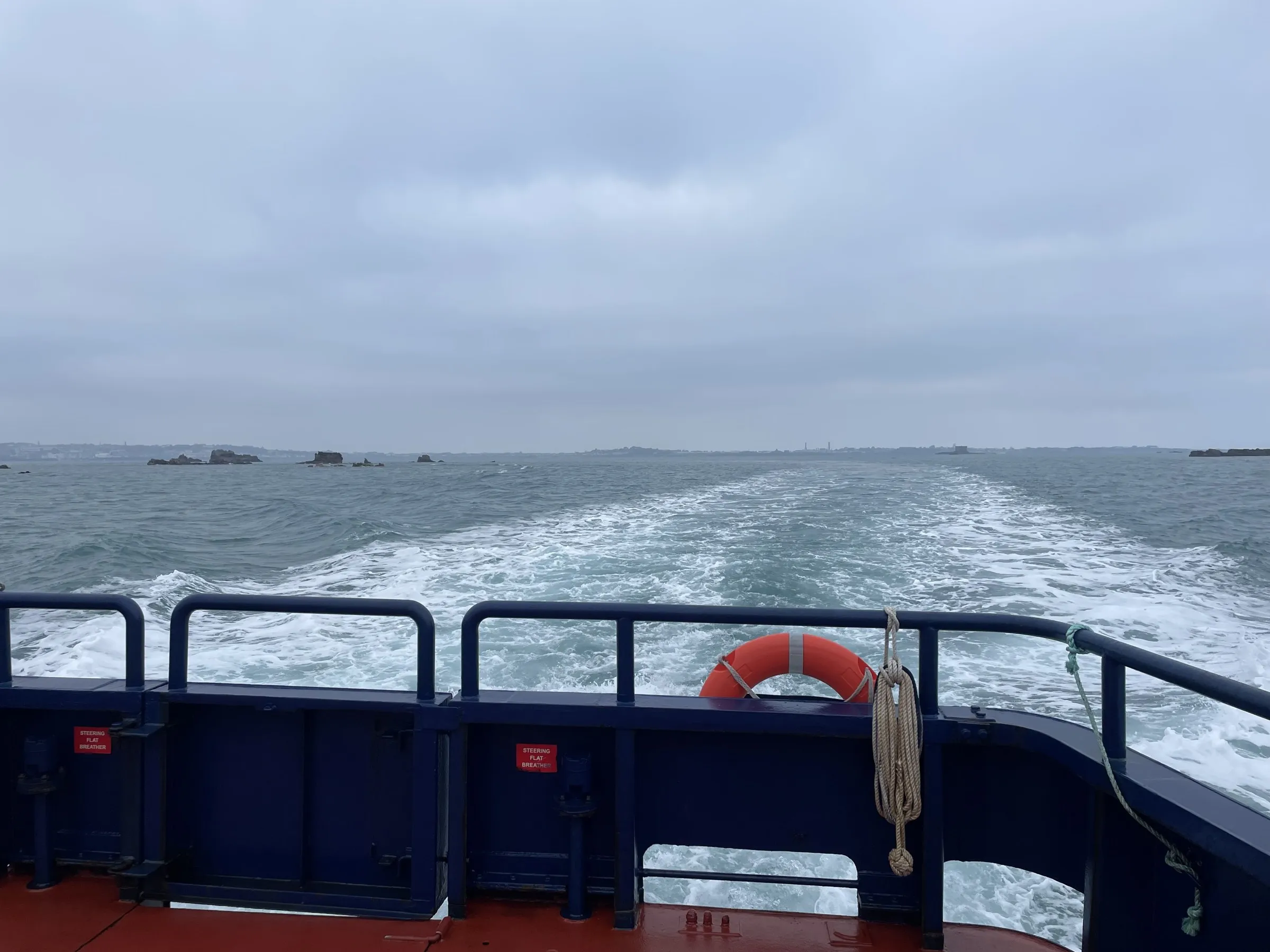
Slow travel is easy to admire and hard to practise. Sark removes the choice: no cars, a ferry, walking pace everywhere. What that does for a tired mind.
Slow travel usually asks something of you. You have to resist the itinerary, the hire car, the urge to fit in one more thing, and most people lose that fight by the second day. On Sark the fight never starts. There are no cars to hire because the island is car-free, it is around three and a half miles long, and everywhere is walking pace because walking is how you get there.
Read the full story -
The retreat for people who live in Guernsey
You can visit Sark for a day from Guernsey. Here is what five nights with yoga, meals, guided experiences and a small group add.
From Guernsey, Sark is close enough for lunch. You can take the Isle of Sark Shipping ferry, walk to La Coupée, eat somewhere good and be back in St Peter Port that evening.
Read the full story -
The retreat for people who live in Jersey
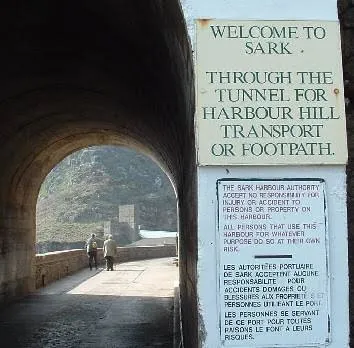
The Jersey ferry to Sark runs seasonally, not daily. What a five night retreat adds when a day trip and the timetable do not line up.
From Jersey, Sark is a seasonal crossing. The direct ferry, run by Manche Iles Express, sails from St Helier between April and September, several times a week rather than daily, and takes about eighty minutes. You cannot decide on a Tuesday morning and be on Sark by lunch the way you could from Guernsey.
Read the full story -
What a week can and cannot do for burnout
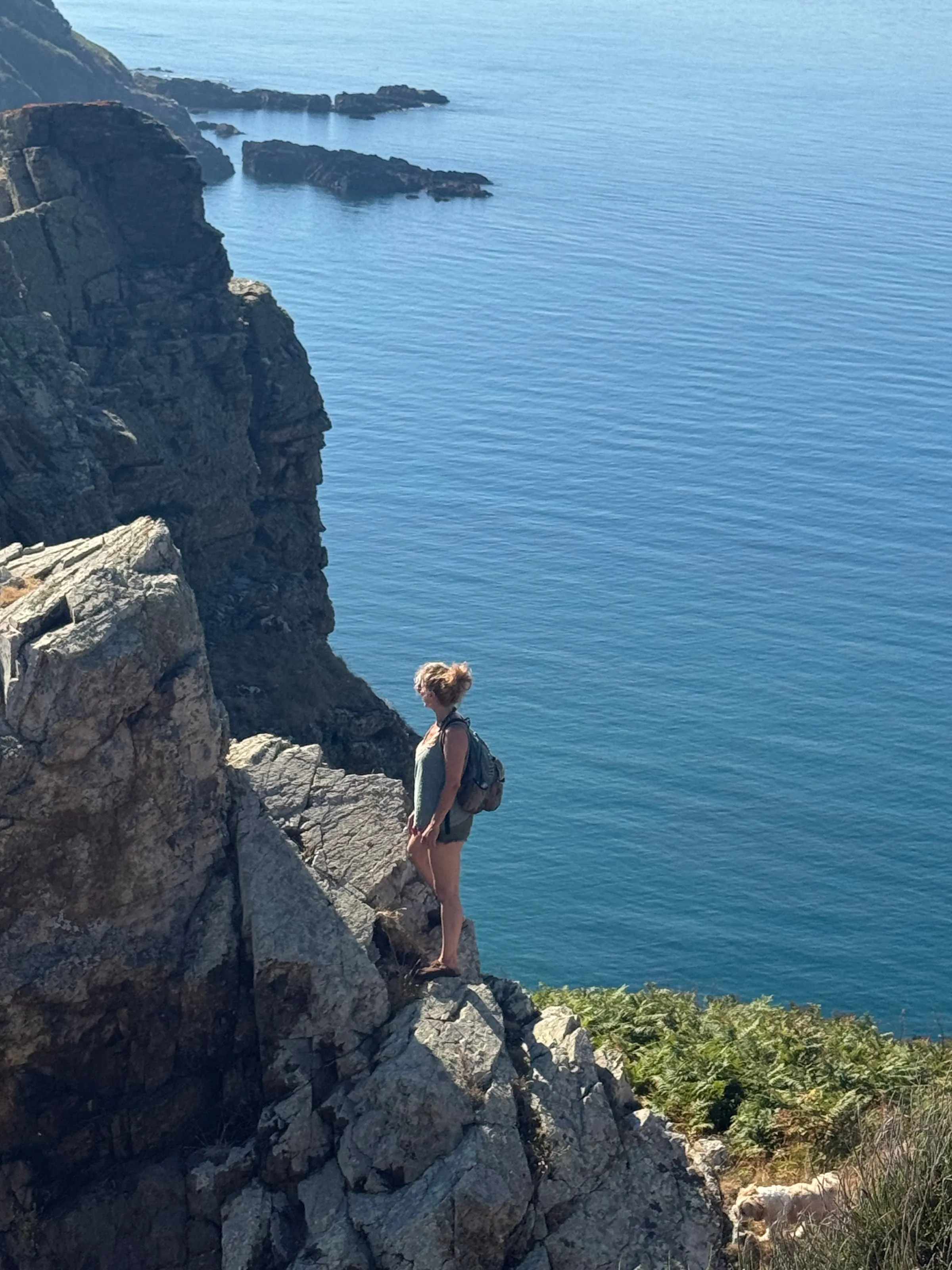
Burnout is more than tiredness. What research says a real break does, why switching off is easy on Sark, and what a week honestly changes.
The researchers who first defined it describe three things arriving together: exhaustion, a growing distance from work that used to matter to you, and the quiet sense that nothing you do makes a difference any more. The World Health Organization describes it the same way, as the result of workplace stress that has gone on too long without a proper break. Tiredness is only the first third of it.
Read the full story -
Your body thinks emails are predators
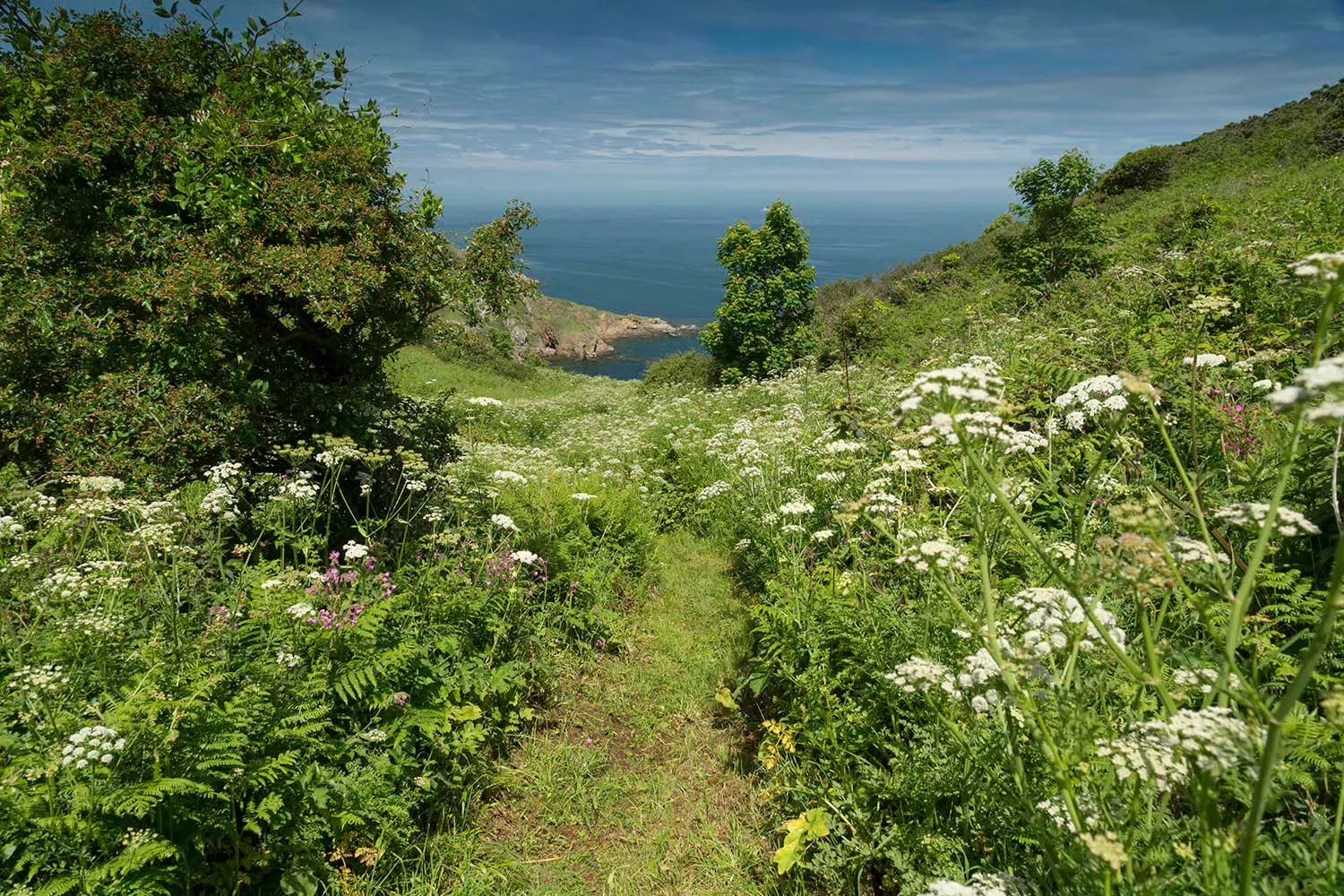
What chronic stress does to the body, why nervous-system reset language misses the point, and what recovery actually means.
We have all experienced that particular kind of email or text message that can change the atmosphere before you have even opened it.
Read the full story -
What makes Sark restorative?
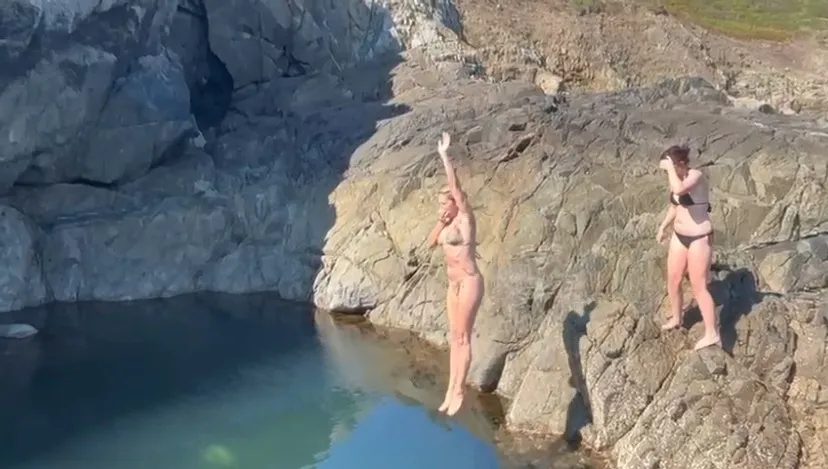
Dark nights, quiet lanes, open water and a structured retreat week: the physical conditions that make Sark different for a restorative stay.
A restorative week on Sark is built from ordinary things that are unusually easy to notice here: darkness after sunset, walking as part of the day, the sea close by and a retreat programme that leaves time unfilled.
Read the full story -
What happens on a Sark Soul retreat?

A clear picture of the days of a Sark Soul retreat, from morning movement and shared meals to island time, optional massage, rest and evenings together.
Sark Soul is built around a simple balance: enough structure to feel looked after, enough space to feel free.
Read the full story -
Guided walks and tours on Sark
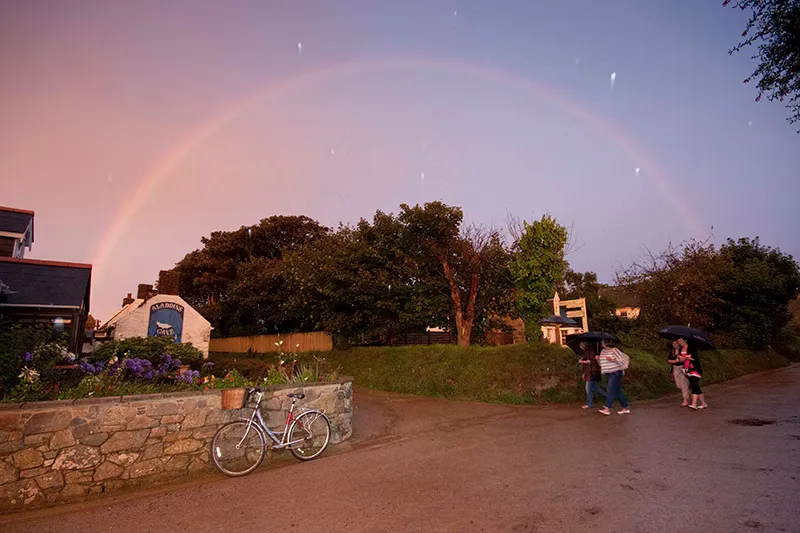
You do not need a guide to find your way on Sark. A guided walk shows you what you would miss alone, and the retreat week already builds the guiding in.
Ask whether you need a guide on Sark and the honest answer is no. The island is around three and a half miles long by a mile and a half wide, it is car-free, and its lanes, tracks and paths radiate from one village hub, La Colinette, marked by its clock tower. You can step off the ferry, pick a direction and do well by it, and most visitors do exactly that.
Read the full story -
What you eat on a Sark Soul retreat
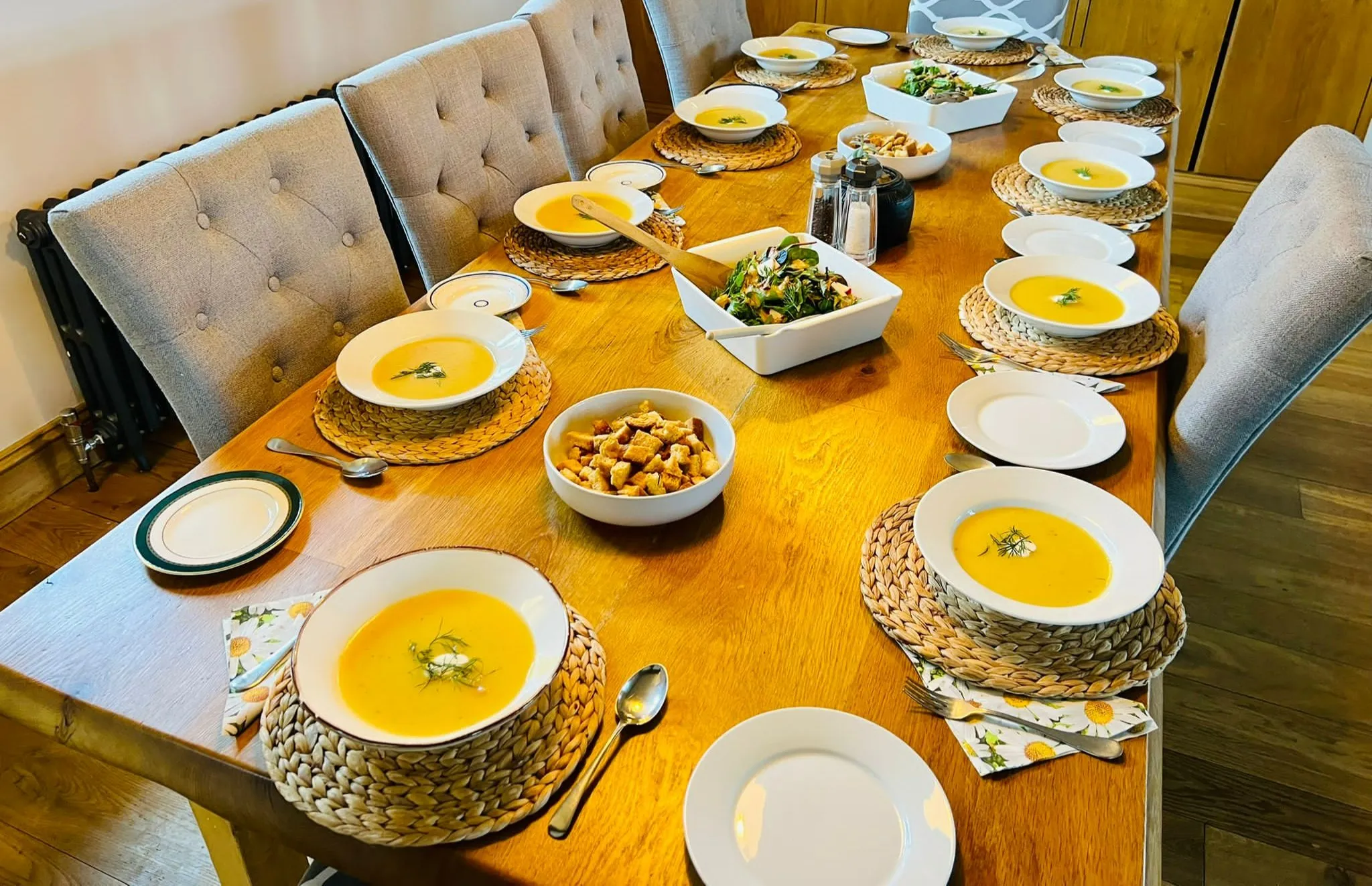
Every retreat meal is vegetarian, cooked by a private chef and shared at one table. Why that matters when you are tired, and how dietary needs are handled.
Every meal on the retreat is vegetarian, cooked by a private chef, and eaten together, family style. The week is all inclusive, so every one of those meals is already part of it: nothing to book, nothing to shop for, nothing to plan. For five nights, no meal is your job.
Read the full story -
What does a restorative retreat feel like?

What a five-night Sark Soul retreat feels like: morning practice, shared meals, open afternoons and an evening under Sark's dark sky.
You know when yoga and meals happen, but most of the hours between are your own. On the five-night Sark Soul retreat, morning yoga comes first, breakfast follows, and the middle of the day and afternoon are free before evening practice and dinner.
Read the full story -
Yoga is part of the week, not the reason you have to come

Yoga matters at Sark Soul, but you do not need to be experienced or flexible, or keen to practise all day. It supports the week rather than defining it.
That distinction matters because many people who need a restorative break rule themselves out of retreats before they have properly considered one.
Read the full story -
Your first yoga retreat
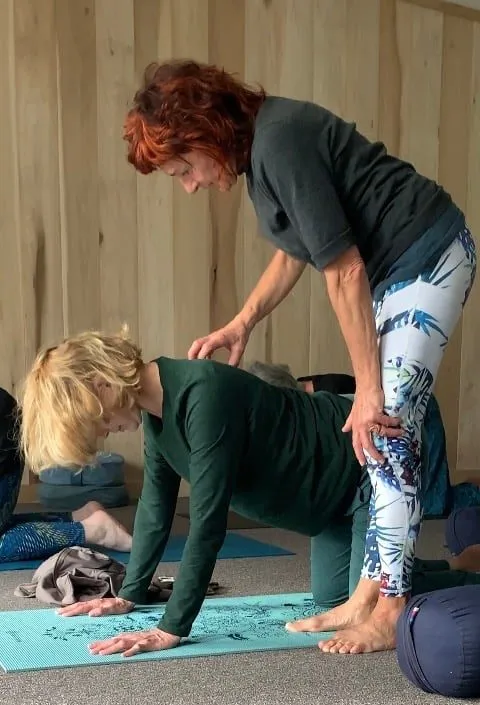
What to expect on your first yoga retreat, including coming alone, mixed-level yoga, physical concerns and time to yourself.
Your first yoga retreat does not require you to arrive as a different version of yourself.
Read the full story -
What is the best place in the world to do yoga?
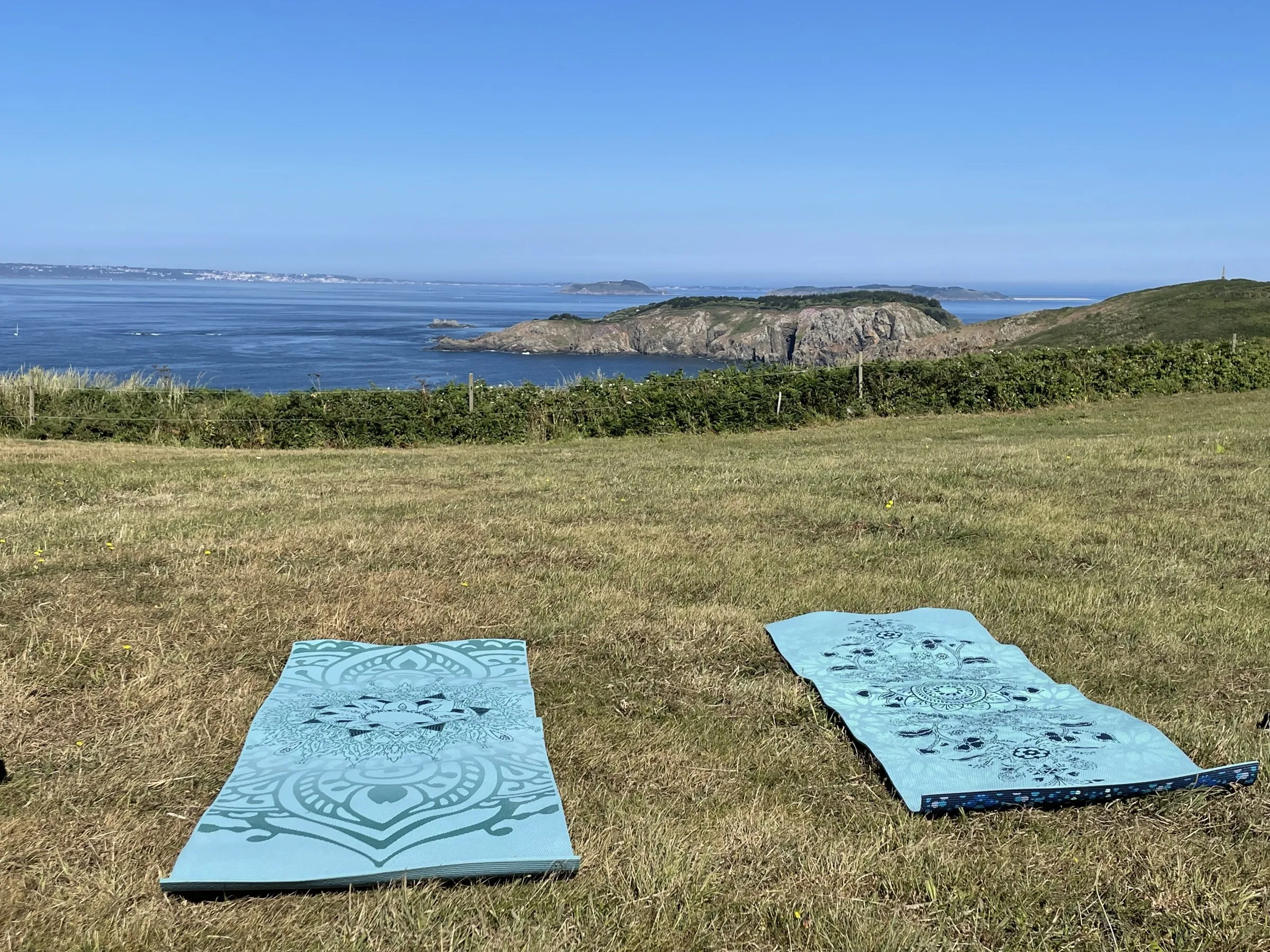
The best place to practise yoga is somewhere that helps you pay attention. Sark does that before you even step onto the mat.
Most places make you arrive already distracted: a drive, a car park, a queue, a phone that has not stopped since you left the house. There is no airport on Sark. You reach it on the passenger ferry from Guernsey, about forty five minutes.
Read the full story
Ideas we are testing 1 story
-
What Witchcraft on Sark Would Look Like

A tarot deck, moon phases, a chant to stop rain: what practising witchcraft looks like, and what Sark already has for it, dark skies and foraging.
A chant held over a struck match, meant to keep the rain off a football pitch: "Taba taba taba, rain, taba taba taba... Leave the storm you brew, come warm yourself by the fire." A name written on paper and sealed inside a heavy book, meant to quiet a bully, who stopped bothering her, whether from the spell or simply from growing up.
Read the full story
