
All Journal stories Nature on Sark
The Sark JournalSark wildlife, what you actually see
Enjoying the Sark Journal? Get new Sark stories by email.
There is no one reserve, hide or trail that contains the island’s natural life.
It is spread across the cliffs, the headlands, the gorse, the offshore stacks and the water around the island.
You notice more of it by moving slowly.
The cliffs are part of the habitat
Sark’s coastline is made of steep cliffs, headlands, caves and offshore rocks, and those structures create nesting and feeding places that are difficult to reach from land. Guillemots, razorbills, puffins, fulmars, peregrine falcons and oystercatchers are all associated with Sark’s cliffs and offshore stacks, and the sea stacks known as Les Autelets hold the largest guillemot colony in the Channel Islands.
The gorse has its own life
Up close, the gorse provides shelter and nesting habitat for smaller birds, including the Dartford warbler, a small, dark bird often heard before it is seen.
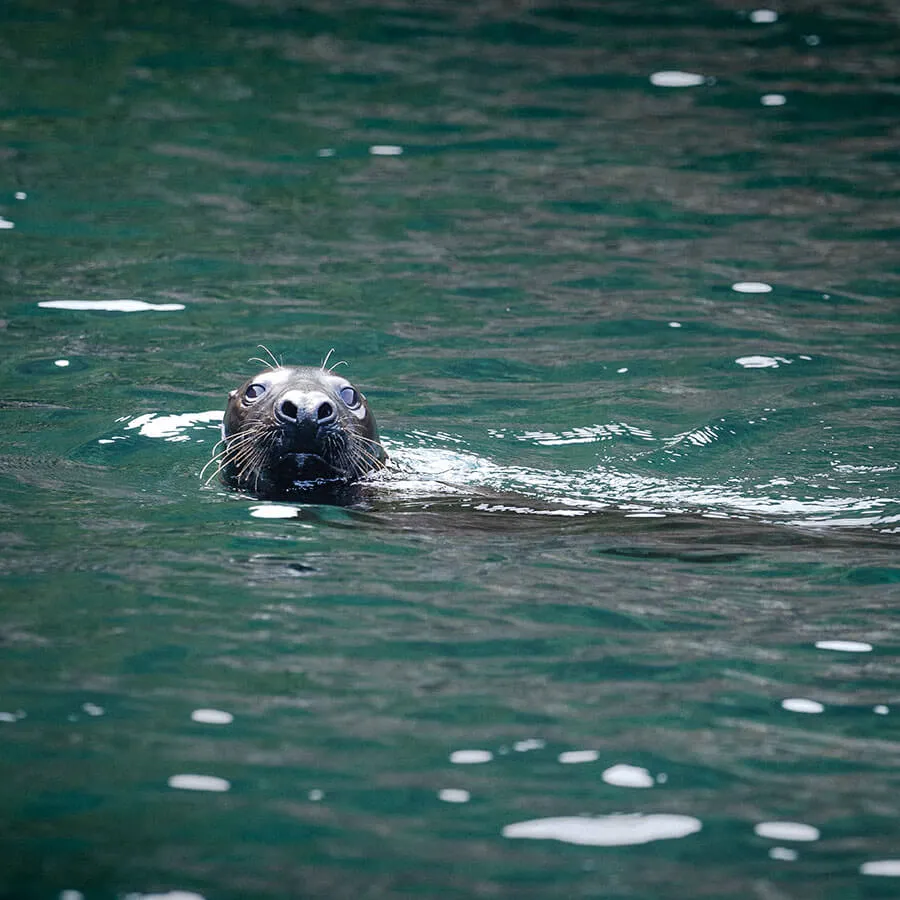
Dolphins near Les Burons
There is a strong tidal flow at high and low water between Sark and the offshore rocks called Les Burons, near the harbours, and dolphins are sometimes seen playing in that current or escorting the ferries.
The Gouliot is important below the surface
The Gouliot Caves and Headland were designated a Ramsar Site of international importance on 9 April 2007. The Gouliot Passage, the narrow tidal gap between Sark and Brecqhou, can run at up to ten knots, and that current carries plankton fast enough to support marine life that would usually need much deeper water: jewel anemones, fan coral and more, inside caves reached on foot only at the lowest spring tides, and only with local knowledge of the route.
Wildlife also appears in ordinary places
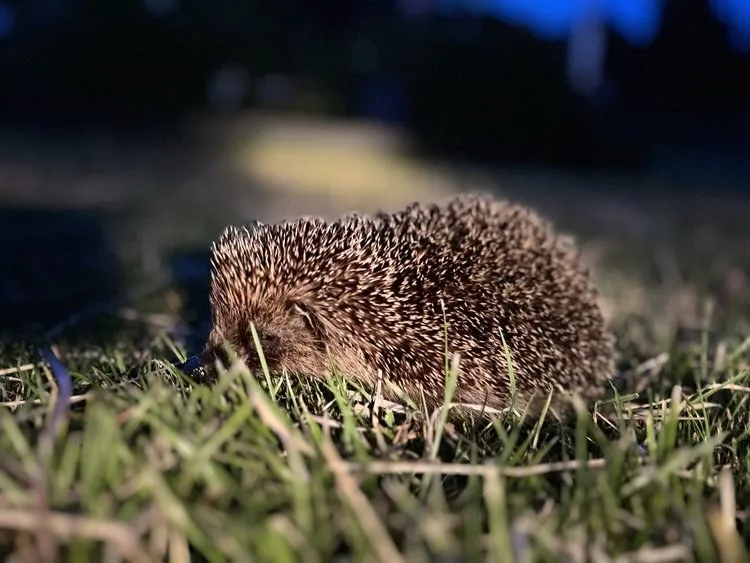
Sark’s only rat is the black rat, one of the rarest mammals in the British Isles. Hedgehogs and rabbits turn up around the fields, gardens and lanes too, ordinary neighbours rather than a headline species, which is closer to how wildlife actually sits inside a day on Sark than any single sighting.
The seasons change what is visible
Wildlife on Sark is not static. Seabird activity around Les Autelets and the cliffs changes through spring and summer, flowers alter the headlands and lane edges, and different sounds become noticeable at dawn, at dusk and after dark. A single visit offers one version of the island; returning in another season makes the same path feel different.
Birds before engines on Sark’s lanes
You do not need to become a naturalist on Sark, only to notice what is already happening around you. The absence of private cars, the narrow lanes and the amount of time spent on foot make that easier: you hear birds before an engine interrupts them, you see movement offshore because you have stopped at the cliff edge, and you notice a small bird in the gorse because there is no reason to hurry past it.
You notice Sark’s wildlife by paying attention to ordinary life here, not by seeking it out separately.
Our wildflowers article follows the changing plant life through the year. The caves of Sark explains why the coastline opens and closes with the tide, while Walking Sark covers the paths from which much of this becomes visible.
