
All Journal stories Restoration
The Sark JournalSlow travel on Sark
Why enforced slowness works where willpower fails, and what it does for a tired mind
Enjoying the Sark Journal? Get new Sark stories by email.
Slow travel usually asks something of you. You have to resist the itinerary, the hire car, the urge to fit in one more thing, and most people lose that fight by the second day. On Sark the fight never starts. There are no cars to hire because the island is car-free, it is around three and a half miles long, and everywhere is walking pace because walking is how you get there.
Slower from the moment you sail
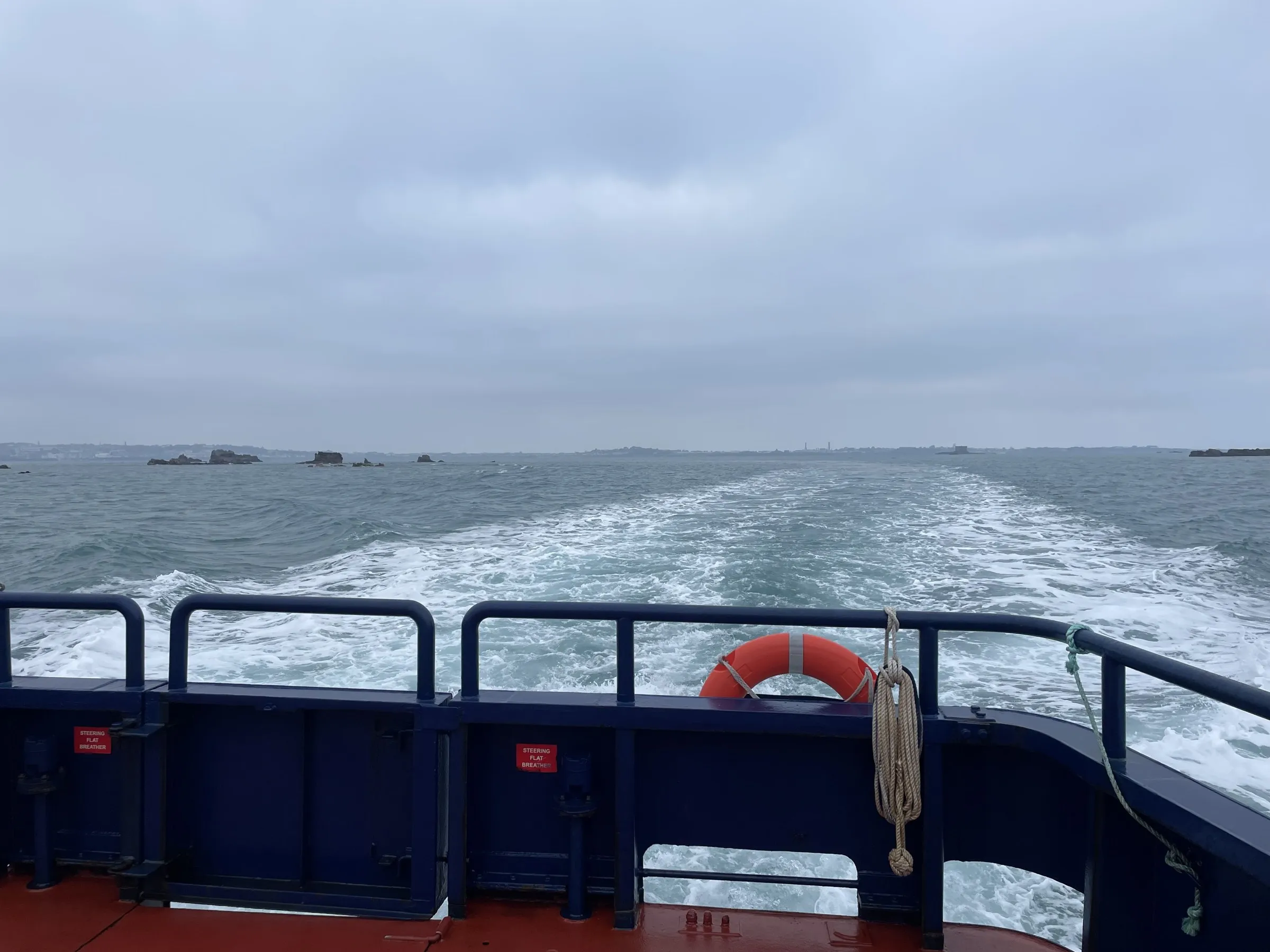
The journey sets the tempo before you land. Sark is reached through Guernsey, about 45 minutes by ferry, and there is no faster option to hold out for. On the island, the ways are lanes, tracks and paths, and tractors do the heavy work. After sunset there is no street lighting, and the evening ends in real darkness.
None of this is a programme you follow. It is how the island works, and it works the same whether you arrived meaning to slow down or not.
Why enforced slowness matters for a tired mind
The recovery research keeps returning to one finding: what restores people is psychological detachment, genuinely switching off from obligations rather than just being physically away from them. Detachment is exactly what a willpower-based slow holiday struggles to protect, because one email undoes it. A place with no driving, no traffic and no schedule to run leaves much less to switch back on.
The slow parts carry their own evidence. Walking eases low mood and anxiety about as well as any exercise studied. In one English study of around twenty thousand people, two hours a week in nature was the threshold where reported wellbeing rose, a threshold you cross here without planning to. And the darkness matters most: ordinary indoor evening light is enough to suppress melatonin, the hormone that tells your body night has begun, and Sark’s nights remove that light entirely.
What a week of this honestly does for burnout, including the part where the benefits of any break fade after you go home, is its own article: What a week can and cannot do for burnout.
The retreat’s part in it
On a slow island you still have to feed yourself and plan your days. On the retreat, meals are cooked and the days have a light schedule you did not have to build, morning yoga, breakfast after practice, free afternoons, so the slowness is what you are left with. If you want to spend those afternoons with a book, the Reading Retreat on Sark page shows how reading fits inside the same week.
If burnout is why slow travel appeals, the burnout retreat page shows how the week runs. If the appeal is having less pull from screens and schedules, the digital detox retreat covers that side of the same week. Why a day isn’t enough makes the case for staying longer than an afternoon. The crossing is part of the slowing down too, and The crossing describes it.
