
All Journal stories Things to Do on Sark
The Sark JournalThings to do in Sark
Enjoying the Sark Journal? Get new Sark stories by email.
Most things to do in Sark happen outdoors and on foot. You walk the cliff paths, cross La Coupée to Little Sark, swim in rock pools and coves, look into sea caves, cycle the lanes and, once it gets dark, walk out under the stars. Two facts decide how a day goes: the tide, which opens and closes the pools, caves and beaches, and the absence of cars, which sets everything at walking or cycling pace.
The routes in the local walking guide run from about half an hour to a little over two hours each, so a day here is a matter of choosing, rather than travelling.
Before you go: the tide and getting around
Check the tide first
Many of the pools, caves and coves can only be reached at certain states of the tide, and the times differ from one place to the next.
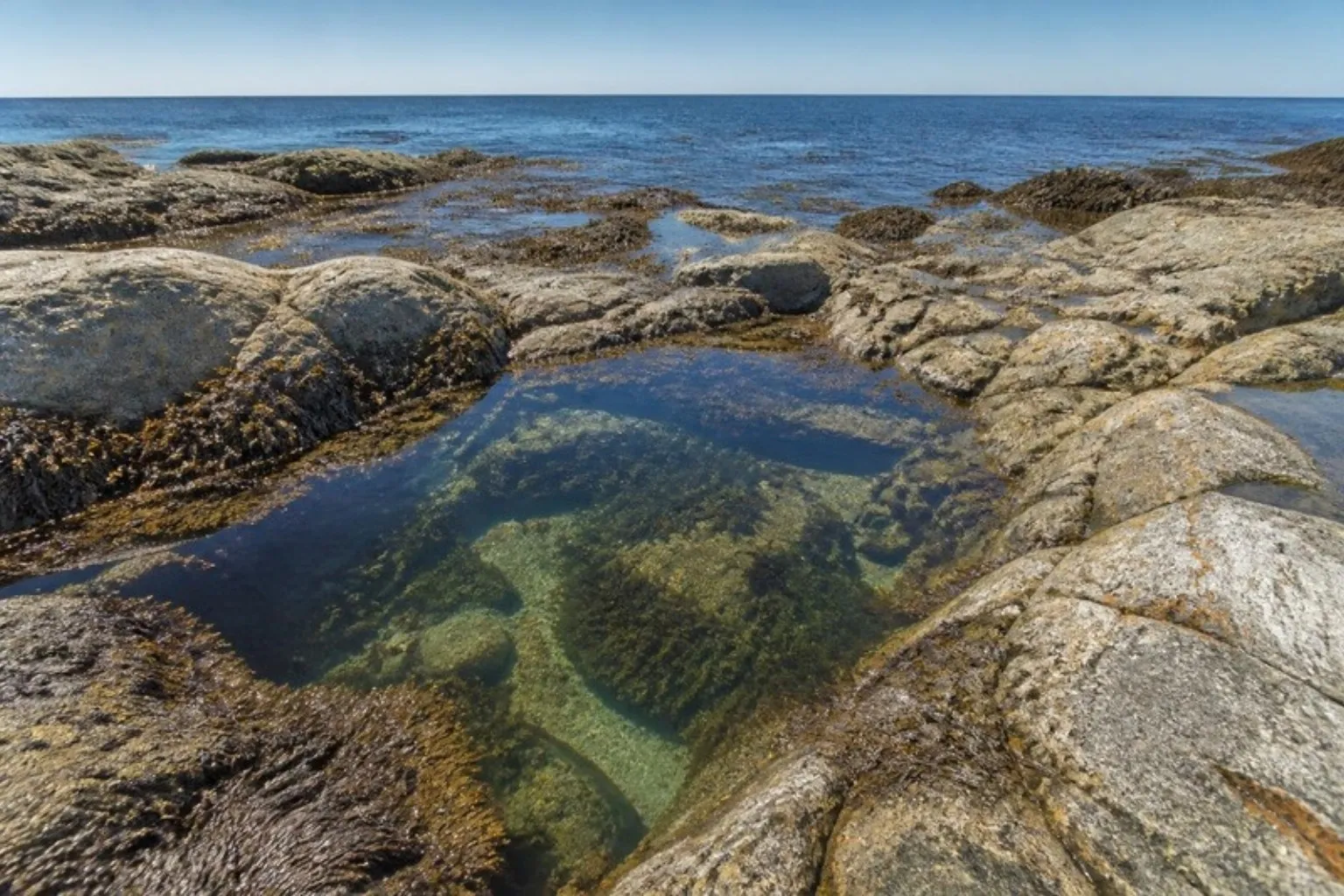
- The Venus Pool on Little Sark is reachable for about two hours either side of low water. It is reached by a faint path and a rock scramble, and it cannot be seen from above, so wear proper shoes.
- Grande Grève, Port du Moulin and the landing at L’Eperquerie are best for wild swimming from about half tide up to half tide down.
- Dixcart Bay and Derrible Bay are best explored at or near low tide. At Derrible, the seating area where most people sit is cut off from the beach steps as the tide comes in.
- The Gouliot Caves are only accessible on foot on the lowest spring tides, and need a good head for heights and a knowledge of tides.
Look at a tide table the evening before and plan the day around low water, rather than hoping low water fits around the day.
Getting around
Sark is car free for residents and visitors alike, though farm tractors use the lanes. The passenger ferry from Guernsey takes about 45 minutes with Isle of Sark Shipping and lands at Maseline harbour. From there you either walk up Harbour Hill, about ten minutes, or take the toast rack to the top.
After that you walk or cycle. Four cycle hire outlets, all in the village area, rent electric bikes and ordinary pushbikes. Bikes are not allowed on the cliff-top paths, which are for walkers only, and at La Coupée everyone dismounts and walks across, carriage passengers included. Getting around without cars covers the bikes, carriages and tractors in more detail.
A one-day plan
A day visit goes further if you choose one end of the island and save the other for another time. Times change with the season, so check the day’s return sailing with Isle of Sark Shipping before you set off, and leave time for the walk back down to the harbour.
South to Little Sark. From the top of Harbour Hill, head for La Colinette, the village centre with the clock tower, where bike hire, the Bel Air pub and the Island Hall are all close by. Then head south to La Coupée, the narrow isthmus with long drops to the sea on both sides, and cross on foot to Little Sark. There, a gentle route of about 30 minutes from La Sablonnerie takes in the Venus Pool and the dolmen, though part of it runs close to the cliff edge. The pool is reachable for about two hours either side of low water, so this is the day to take when low water falls around midday.
North to La Seigneurie. La Seigneurie Gardens, which charge admission, hold a Victorian glasshouse, a kitchen garden, a maze and monastic fish ponds, with Hathaway’s restaurant and café on site. Further north, the L’Eperquerie walk takes about an hour and passes the carved Buddhist rock. Take water and food on this end of the island, because the L’Eperquerie area has no cafés, pubs or services.
Why a day isn’t enough explains what changes once you stay overnight.
Two or three days
With more time, you can follow the tide instead of the ferry.
Walk the valleys and bays. Dixcart Valley is about an hour and a quarter from La Colinette and back, with two steep climbs, at its best in spring when the bluebells are out. It leads down to Dixcart Bay, whose rock arch, shingle and cliffs are unchanged since the 1890s. The Hogsback and Derrible walk takes about the same time, plus about an hour if you go down to Derrible Bay, and is one of the more demanding routes. Walking Sark sets out the full network of lanes and paths.
Cycle a full circuit. The Grand Island Circuit is about 12km including Little Sark, and takes about two and a half to three and a half hours at a leisurely pace with stops. It is mostly flat on the plateau, with one short steep section before La Coupée. Cycling Sark has the shorter routes too.
Go wild swimming. As well as the Venus Pool, Little Sark has Adonis’ Pool near Rouge Caneau Bay, a natural rock pool 16 to 18 feet deep, also reachable only within about two hours either side of low tide. Sark’s beaches covers the coves, and how to get down to each one on foot.
Go into the caves. The caves of Sark range from the Gouliot Caves on the west coast to the Boutiques near L’Eperquerie, which should only be explored with local advice and a good knowledge of tides. The Gouliot Caves has the record of what lives inside them.
See the coast from the water. Sark Boat Trips runs coastal tours of around two and a half hours, on which dolphins are frequently seen and basking sharks are sighted in season. For something more active, Adventure Sark runs coasteering sessions: swimming, scrambling, jumping and cave exploration at sea level.
Stay out after dark. Sark has no street lighting, and in January 2011 it became the world’s first Dark Sky Island. The local guide’s Sark in the Dark walk takes about an hour and three quarters from La Colinette, can be walked all year, and a torch is recommended. Tractors and other motorised traffic, apart from emergency vehicles, are kept off the lanes between 10pm and 6am. Cycling after dark is best avoided. Sark after dark covers the observatory and the night sky.
If it rains
When the wind is from the north or north-east, Dixcart Valley is sheltered from it. La Société Sercquaise, the island’s local history and natural history society, is open most weekday mornings with seasonal exhibitions, and the Bel Air pub and the Island Hall are close by at La Colinette. If it rains on Sark has more on wet days.
Questions visitors ask
How big is Sark? About three and a half miles long by a mile and a half wide, with Little Sark joined to the main island by La Coupée.
Is Sark worth a day trip? Yes, if you choose one end of the island and check the tide and the return sailing before you go.
Can you hire bikes on Sark? Yes, in the village area, as set out under Getting around above.
Can you go wild swimming on Sark? Yes, in rock pools and coves, each with its own tide window, listed at the top of this guide.
Where can you eat and stay? Eating and drinking on Sark lists the restaurants, pubs and cafés, Can you stay on Sark? covers hotels, guest houses, self-catering and camping, and Is Sark expensive? looks at what a visit costs.
When is the best time to go? Late April and May bring bluebells to Happy Valley and Dixcart Valley. The seasonal ferry from Jersey runs several times a week, not daily, from April to September, and crossings from Guernsey reduce in autumn and winter, sometimes to one or two a day. When to visit Sark goes through the rest of the year.
